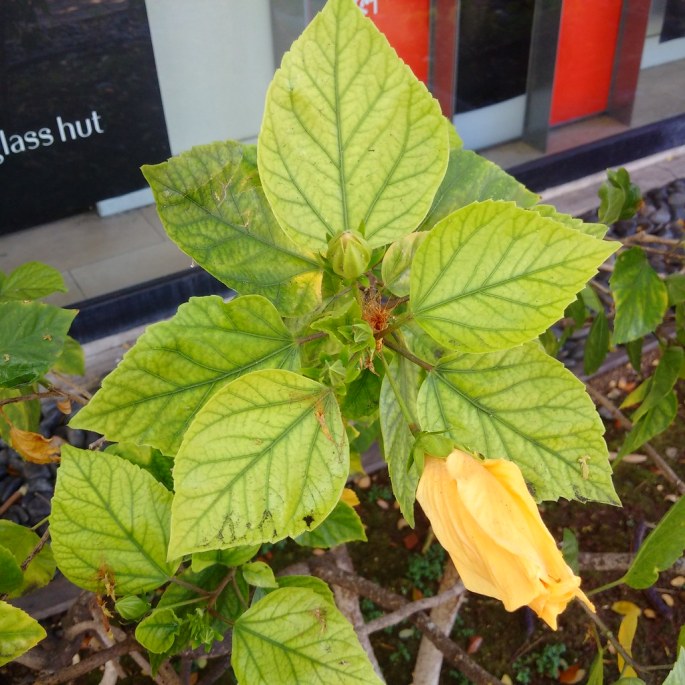
Have you ever noticed leaves that are supposed to be green turning yellow or even white? This change in leaf color is known as chlorosis. Chlorosis happens when plants are unable to produce enough chlorophyll, the pigment responsible for their green color. In this article, we will explore what causes chlorosis, how it affects plants, and some possible solutions to help plants regain their healthy green hue.
Understanding Chlorosis:
Chlorosis occurs when there is a disruption in the production of chlorophyll, which is essential for photosynthesis. Photosynthesis is the process by which plants use sunlight to convert carbon dioxide and water into energy-rich sugars. Chlorophyll captures sunlight and gives leaves their green color, enabling plants to make food and grow.
Causes of Chlorosis:
Several factors can lead to chlorosis. The most common cause is a lack of essential nutrients, such as iron, nitrogen, magnesium, or manganese. These nutrients are necessary for chlorophyll production. If plants don’t get enough of these nutrients, they can’t make sufficient chlorophyll, resulting in chlorosis. Other causes include poor soil conditions, improper pH levels, root damage, diseases, pests, or even excessive sunlight exposure.
Signs and Effects of Chlorosis:
When chlorosis occurs, leaves start turning yellow or white. This discoloration typically begins in the older leaves and gradually spreads to the younger ones. Chlorotic leaves often become weaker and more fragile, affecting the overall health and growth of the plant. Without enough chlorophyll, plants struggle to produce the energy they need, and their growth and ability to produce flowers and fruits may be hindered.
Solutions and Prevention:
To address chlorosis, it’s essential to identify the underlying cause. If nutrient deficiencies are to blame, fertilizers or supplements containing the lacking nutrients can be applied to the soil or sprayed on the leaves. Soil testing can help determine which nutrients are needed. Adjusting the soil pH and ensuring proper drainage can also be helpful. For chlorosis caused by pests or diseases, appropriate treatments should be applied.
Preventing chlorosis is often easier than treating it. Regularly feeding plants with a balanced fertilizer can help maintain nutrient levels. Proper watering and drainage are crucial, as overly wet or dry conditions can impact nutrient uptake. Regularly inspecting plants for signs of pests or diseases and taking prompt action can also prevent chlorosis from occurring.
Some FAQs on Chlorosis
Q: What are the common signs of chlorosis in plants?
A: The common signs of chlorosis are yellowing or whitening of leaves, typically starting from older leaves and progressing to younger ones. Leaves may appear weak and fragile, affecting overall plant health.
Q: What causes chlorosis in plants?
A: Chlorosis can be caused by various factors, including nutrient deficiencies (such as iron, nitrogen, magnesium, or manganese), poor soil conditions, diseases, pests, root damage, or excessive sunlight exposure.
Q: How can I determine the cause of chlorosis in my plants?
A: Identifying the cause of chlorosis can involve several factors. Conducting a soil test to check nutrient levels, inspecting plants for pests or diseases, examining soil conditions, and assessing sunlight exposure can help pinpoint the underlying cause.
Q: How can I treat chlorosis in my plants?
A: Treatment depends on the cause of chlorosis. If it’s due to nutrient deficiencies, applying fertilizers or nutrient supplements can help. Adjusting soil pH, improving drainage, addressing pests or diseases, and providing proper care and maintenance specific to the plant’s needs can also aid in recovery.
Q: Can chlorotic plants recover?
A: Yes, chlorotic plants can recover if the underlying cause is identified and addressed promptly. By providing the necessary nutrients, adjusting soil conditions, and implementing appropriate treatments, plants can regain their healthy green color and vitality.
Q: Can chlorosis be prevented?
A: Yes, chlorosis can often be prevented by maintaining proper plant care. Regularly fertilizing plants with balanced nutrients, ensuring adequate watering and drainage, monitoring for pests and diseases, and addressing issues promptly can help prevent chlorosis from occurring.
Q: Can I use foliar sprays to treat chlorosis?
A: Yes, foliar sprays can be an effective way to address chlorosis caused by nutrient deficiencies. By applying nutrient-rich solutions directly to the leaves, plants can absorb the needed nutrients more efficiently.
Q: Should I remove chlorotic leaves from the plant?
A: It’s generally recommended to remove severely damaged or dead leaves to redirect the plant’s energy towards healthier foliage. However, it’s important to assess the extent of chlorosis and consider the overall health of the plant before pruning.
Q: Is chlorosis a disease?
A: No, chlorosis is not a disease itself. It is a symptom or condition that indicates an underlying issue affecting the plant’s ability to produce chlorophyll.
Q: Is chlorosis caused by a virus?
A: Chlorosis can be caused by various factors, including nutrient deficiencies, poor soil conditions, pests, diseases, or environmental stressors. While certain viruses can cause chlorosis, it is not always the primary cause.
Q: Is chlorosis always related to iron deficiency?
A: Chlorosis can be caused by different nutrient deficiencies, and iron deficiency is one of the common causes. However, chlorosis can also result from deficiencies in other essential nutrients, such as nitrogen, magnesium, or manganese.
Q: Is chlorosis the same as necrosis?
A: No, chlorosis and necrosis are distinct conditions. Chlorosis refers to the yellowing or whitening of leaves due to reduced chlorophyll production. Necrosis, on the other hand, refers to the death or decay of plant tissue, often resulting in brown or black spots or areas.
Q: Can chlorosis be caused by sulfur dioxide (SO2)?
A: Yes, high levels of sulfur dioxide (SO2) in the air can lead to chlorosis in plants. SO2 can interfere with chlorophyll production and damage plant tissues, resulting in leaf discoloration and reduced photosynthesis.

 Decoding Biosphere