Cadmium is an interesting metal that has many uses. It has unique properties and can have an impact on the environment. As we learn more about this element, we can understand how it is important in different industries, the possible dangers it poses, and the actions taken to reduce its impact on the environment. In this article, we will explore cadmium, including its properties, uses, and environmental concerns.
Properties and Characteristics:
Cadmium is a soft, bluish-white metal that belongs to the transition metal group. It is malleable, ductile, and has a relatively low melting point. This metal exhibits excellent resistance to corrosion and can
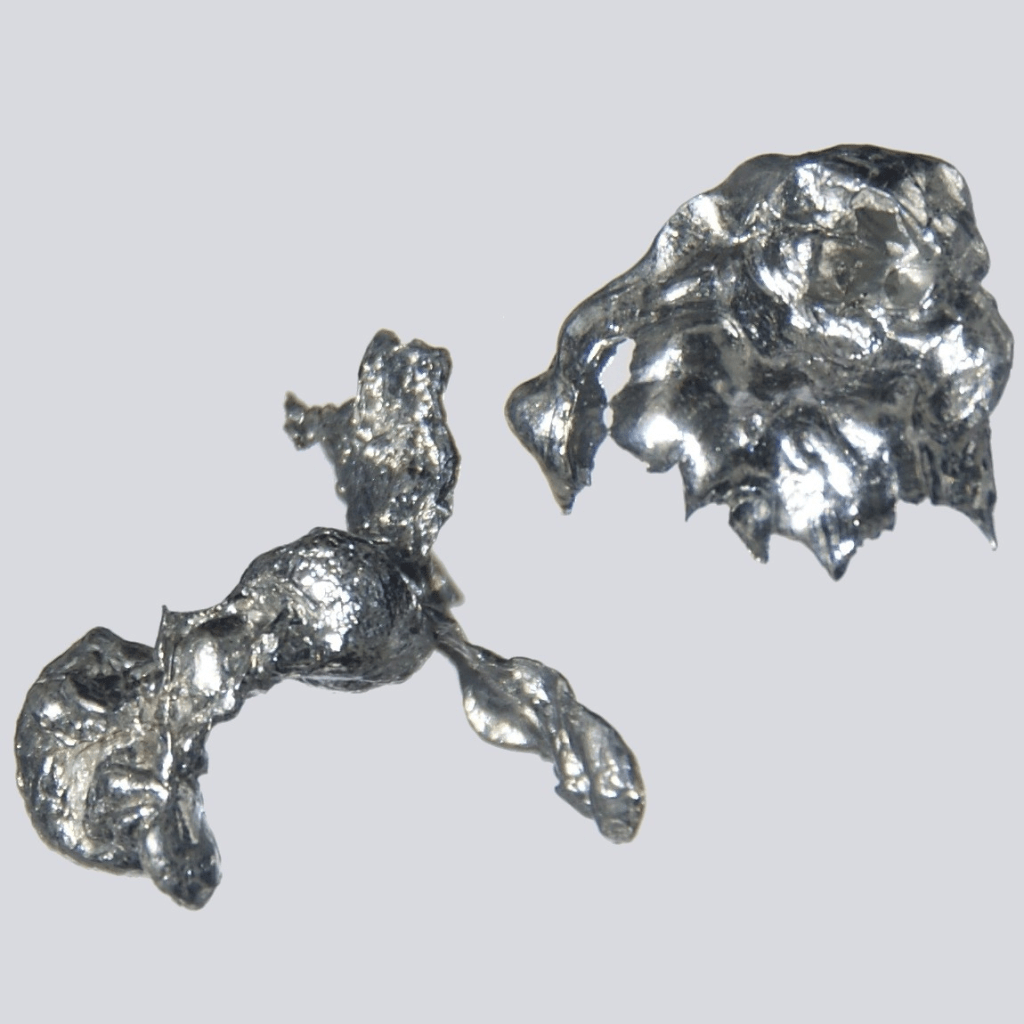
withstand exposure to various environmental conditions. Additionally, cadmium is a good conductor of electricity, making it useful in certain applications.
One notable property of cadmium is its toxicity. It is considered a heavy metal and can have harmful effects on human health and the environment when released in excessive amounts. Due to its potential hazards, careful handling and disposal procedures are necessary to minimize risks.
Industrial and Commercial Uses:
Cadmium’s unique properties and versatility make it valuable in several industries. One significant use of cadmium is in rechargeable nickel-cadmium (Ni-Cd) batteries. These batteries are widely used in portable electronic devices, power tools, and emergency backup systems. Cadmium’s ability to efficiently store and release electrical energy makes it ideal for these applications.
Cadmium also finds applications in the manufacturing of pigments. Cadmium-based pigments are vibrant, long-lasting, and exhibit excellent color stability. They are used in the production of paints, plastics, ceramics, and inks. However, the use of cadmium pigments is increasingly regulated due to environmental concerns.
Cadmium is also utilized in the production of certain alloys. For instance, it can be alloyed with other metals, such as copper or zinc, to create materials with specific properties. These alloys find application in electrical connectors, coatings, and aerospace components.
Environmental Concerns:
Cadmium’s potential environmental impact has raised concerns regarding its use and disposal. Improper handling, inadequate waste management, and unregulated releases of cadmium-containing materials can lead to contamination of soil, water, and air.
Exposure to high levels of cadmium can have toxic effects on humans and wildlife. It can accumulate in organisms, particularly through the food chain, posing risks to ecosystems. Cadmium is classified as a carcinogen, and long-term exposure can lead to serious health issues, including kidney damage and respiratory problems.
To mitigate these environmental concerns, regulations and guidelines have been implemented to control the use, handling, and disposal of cadmium-containing materials. Efforts are also underway to explore alternatives to cadmium in certain applications and to develop more environmentally friendly battery technologies.
Some Frequently Asked Questions about Cadmium
Is Cadmium a Metal?
Yes, cadmium is a metal. It is classified as a transition metal due to its position in the periodic table.
Is Cadmium Radioactive?
No, cadmium is not inherently radioactive. However, certain isotopes of cadmium can be radioactive, but they are relatively rare and not naturally occurring.
Is Cadmium Good for Health?
No, cadmium is not considered beneficial for human health. It is toxic and can have harmful effects on various systems in the body if exposed to high levels over an extended period.
Is Cadmium Toxic?
Yes, cadmium is toxic. Prolonged exposure to high levels of cadmium can lead to severe health issues. It can accumulate in the body, particularly in the kidneys, and is associated with various adverse effects on organs and systems, including kidney damage, lung diseases, and certain types of cancer.
Is Cadmium a Transition Element?
Yes, cadmium is classified as a transition element. It belongs to the transition metal group in the periodic table due to its electronic configuration and properties.
Is Cadmium a Rare Earth Metal?
No, cadmium is not classified as a rare earth metal. Rare earth metals are a group of seventeen elements in the periodic table that exhibit similar properties. Cadmium is not included in this group.
Is Cadmium a Heavy Metal?
Yes, cadmium is considered a heavy metal. Heavy metals are dense metals with high atomic numbers. Cadmium is relatively dense and possesses the characteristics associated with heavy metals, including toxicity and potential environmental risks.
Is Cadmium Harmful to Humans?
Yes, cadmium is harmful to humans. Prolonged exposure to high levels of cadmium through inhalation, ingestion, or skin contact can have serious health consequences. It is important to minimize exposure and follow safety guidelines to prevent potential harm.
Is Cadmium Poisonous?
Yes, cadmium is poisonous. It is classified as a toxic heavy metal and can have detrimental effects on human health. Proper precautions and safety measures should be taken to avoid exposure to cadmium and its compounds.
Final Notes:
Cadmium, with its unique properties and diverse applications, has made its mark in various industries. From rechargeable batteries to vibrant pigments, this metal plays a vital role in our modern world. However, it is essential to recognize and address the potential environmental risks associated with cadmium. By implementing proper handling, disposal, and recycling practices, we can minimize its impact and work towards a sustainable future.
You May Also Like
- How Plastic Pollution Is Choking Our Oceans And 12 Real Ways You Can Fix It

- 2025 Outlook: Top Global Trends Shaping the Future of Tech, Lifestyle, Sustainability and Culture

- 10 Eco-Friendly Gift Ideas for People Who Care About the Planet

- Audiobooks vs E-books: Which Is More Eco-Friendly?

- Why Audiobooks Are the Most Sustainable Way to Learn


 Decoding Biosphere