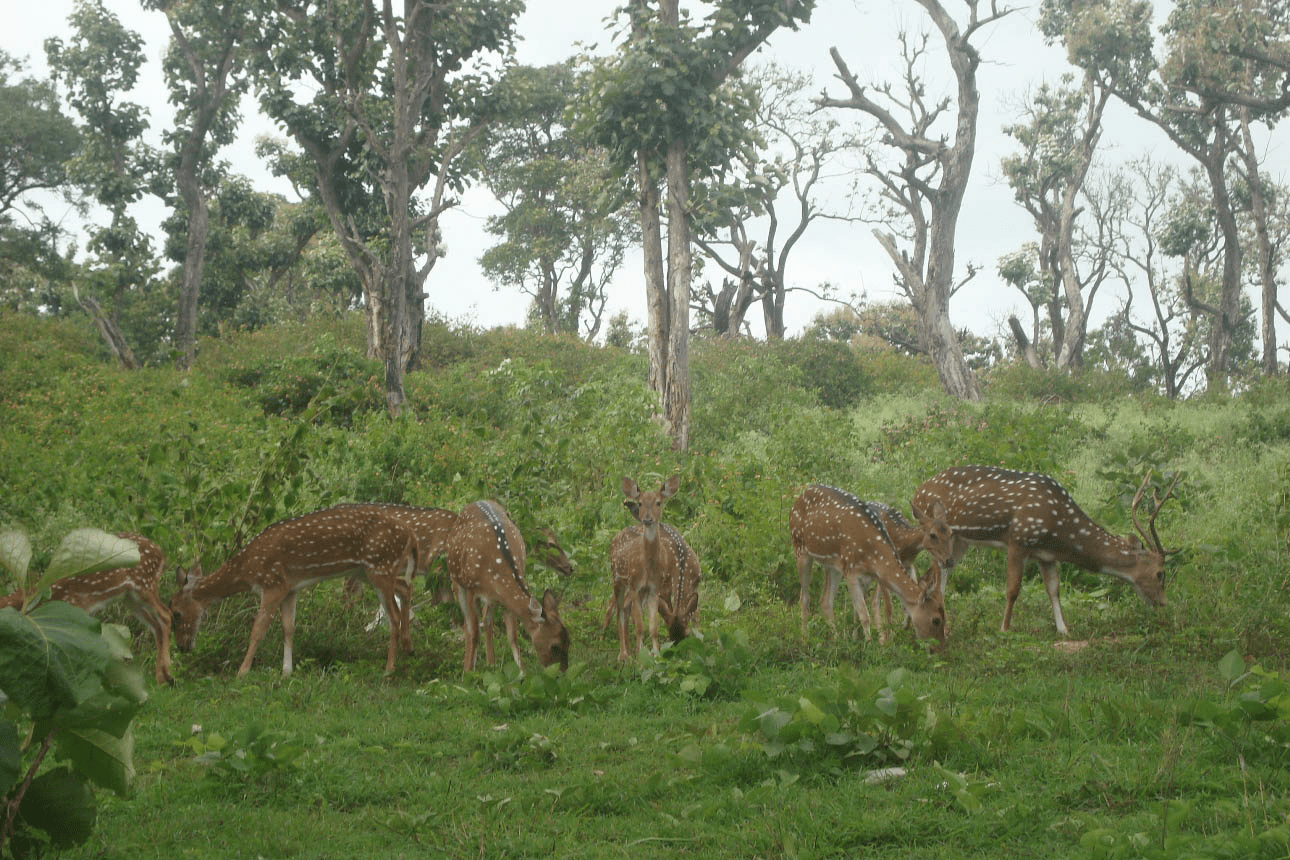

Source: Wikimedia Commons
In an ever-changing world facing environmental challenges, preserving our planet’s biodiversity has become a crucial priority. Biological reserves, also known as wildlife reserves or nature reserves, play a vital role in conserving ecosystems and protecting endangered species. In this article, we will explore the various types of biological reserves and provide examples of some of the most notable reserves around the globe.
What are Biological Reserves?
Biological reserves are designated areas set aside for the protection and conservation of natural habitats, plant and animal species, and ecological processes. These reserves are established with the primary objective of preserving biodiversity and maintaining ecological balance. By minimizing human impact and disturbance, biological reserves allow ecosystems to thrive and recover.
Biosphere reserves are designated under the intergovernmental Man and the Biosphere (MAB) Programme by UNESCO. The process involves national governments nominating potential sites, and the final designation is made by the Director-General of UNESCO based on the decisions of the MAB International Coordinating Council (MAB ICC).
Biosphere Reserves encourage the active involvement of local communities and various stakeholders in both planning and management processes. They integrate three primary purposes:
- Conservation of biodiversity and cultural diversity.
- Promotion of socio-culturally and environmentally sustainable economic development.
- Provision of logistical support, underpinning development through research, monitoring, education, and training.
These three functions are accomplished through the establishment of three distinct zones within the Biosphere Reserves:
- Core Areas: Core areas consist of strictly protected zones that contribute significantly to the conservation of landscapes, ecosystems, species, and genetic diversity.
- Buffer Zones: Buffer zones surround or adjoin the core area(s) and are designated for activities that align with sound ecological practices. They play a role in supporting scientific research, monitoring, training, and education initiatives.
- Transition Area: The transition area serves as a space where communities can engage in socio-culturally and ecologically sustainable economic and human activities. It encourages a balance between conservation and human livelihoods.
Types of Biological Reserves:
Biological reserves can be categorized based on different criteria, including their size, geographical location, and specific conservation goals. Some common types of biological reserves are:
a. National Parks: National parks are large areas of land, usually under the jurisdiction of the government, dedicated to preserving entire ecosystems and scenic landscapes. They offer a wide range of recreational opportunities while ensuring the protection of native wildlife and plants.
b. Wildlife Sanctuaries: Wildlife sanctuaries focus on providing a safe haven for endangered and threatened species, including animals and plants. They prohibit hunting and other human activities that could disturb or harm wildlife populations.
c. Biosphere Reserves: Biosphere reserves are unique areas that aim to reconcile the conservation of biodiversity with sustainable development. These reserves typically have multiple zones, including a core area for strict protection, a buffer zone for limited human activity, and a transition area where sustainable practices are encouraged.
d. Marine Protected Areas (MPAs): MPAs are biological reserves in marine environments, created to safeguard marine biodiversity and habitats. These areas often serve as spawning and nursery grounds for various marine species.
e. Community Reserves: Community reserves involve local communities in the conservation process. These reserves empower indigenous people and local communities to manage and protect their natural resources sustainably.
f. Natural Monuments: Natural monuments are smaller, distinct geographical features, or specific plant or animal species that hold significant ecological or cultural value. They are protected to maintain their unique attributes.
Examples of Notable Biological Reserves:
a. Yellowstone National Park (USA): One of the most iconic national parks in the world, Yellowstone, located in the United States, boasts a diverse range of wildlife, including bison, wolves, and grizzly bears. It was established in 1872 and remains a prime example of successful conservation efforts.
b. Ranthambore Tiger Reserve (India): Situated in the Indian state of Rajasthan, Ranthambore is renowned for its tiger population. It provides a safe environment for these magnificent big cats, making it a crucial wildlife sanctuary for tiger conservation.
c. Galápagos Marine Reserve (Ecuador): This marine protected area around the Galápagos Islands is a UNESCO World Heritage site. It supports a rich marine ecosystem, including unique species like the Galápagos tortoise and marine iguanas.
d. Great Barrier Reef Marine Park (Australia): The Great Barrier Reef, off the coast of Australia, is the world’s largest coral reef system and a UNESCO World Heritage site. It is a marine protected area dedicated to preserving the diverse coral reefs and marine life.
e. Samburu National Reserve (Kenya): This wildlife sanctuary in Kenya is home to a variety of wildlife species, including the rare Grevy’s zebra, reticulated giraffe, and Somali ostrich.
You can download the 2019-2020 map of the World Network of Biosphere Reserves
Source:
Frequently Asked Questions (FAQs) on Biosphere Reserves:
- What is a Biosphere Reserve?
- A Biosphere Reserve is a designated area that promotes the conservation of biodiversity, cultural diversity, and sustainable development. It serves as a model for balancing conservation efforts with socio-economic activities.
- Who designates Biosphere Reserves?
- Biosphere Reserves are designated under the intergovernmental Man and the Biosphere (MAB) Programme by the Director-General of UNESCO following the decisions of the MAB International Coordinating Council (MAB ICC).
- What are the main functions of Biosphere Reserves?
- The main functions of Biosphere Reserves are the conservation of biodiversity and cultural diversity, promoting socio-culturally and environmentally sustainable economic development, and providing logistical support through research, monitoring, education, and training.
- How are Biosphere Reserves managed?
- Biosphere Reserves are managed by the respective national or regional governments where they are located. Management plans are developed, involving local communities and stakeholders, to ensure the balanced use of resources and conservation.
- What are the zones within Biosphere Reserves?
- Biosphere Reserves typically consist of three main zones: Core Areas (strictly protected zones), Buffer Zones (areas for compatible activities), and Transition Areas (sustainable economic and human activities).
- What are the benefits of Biosphere Reserves?
- Biosphere Reserves offer various benefits, such as conserving biodiversity and ecosystems, safeguarding cultural heritage, promoting sustainable development, supporting scientific research, and providing opportunities for education and eco-tourism.
- Can people live in Biosphere Reserves?
- Yes, people can live in the Transition Area of Biosphere Reserves. These areas are designated for human activities that are socio-culturally and ecologically sustainable while promoting economic development.
- Do Biosphere Reserves contribute to local economies?
- Yes, Biosphere Reserves can contribute to local economies through sustainable tourism, eco-friendly businesses, research activities, and the promotion of traditional crafts and cultural practices.
- What role do local communities play in Biosphere Reserves?
- Local communities are integral to the success of Biosphere Reserves. They actively participate in decision-making, conservation efforts, sustainable resource management, and the preservation of cultural heritage.
- Are Biosphere Reserves only found in remote or pristine areas?
- No, Biosphere Reserves can be found in diverse landscapes, including forests, coastal areas, urban regions, and agricultural landscapes. They aim to demonstrate how humans can coexist sustainably with nature.
- How can I visit a Biosphere Reserve?
- Many Biosphere Reserves are open to visitors, offering opportunities for eco-tourism, educational programs, and experiences in nature. Check with the respective reserve’s management authority for visitor guidelines and available activities.
- Can Biosphere Reserves help address climate change?
- Yes, Biosphere Reserves contribute to climate change mitigation and adaptation through their conservation efforts, promotion of sustainable practices, and research on climate impacts on ecosystems.
Further Reading

 Decoding Biosphere
