
Air pollution is a growing concern that affects the health of both humans and the environment. To monitor and assess air quality, scientists often rely on various methods, one of which involves using bioindicators. In this article, we will look into the concept of bioindicators of air pollution, explaining what they are and how they help in understanding and mitigating the impacts of air pollution.
What are Bioindicators of Air Pollution?
Bioindicators, also known as biological indicators, are living organisms like plants, animals, and microorganisms that can reveal the presence and extent of environmental changes or pollutants. In the context of air pollution, certain species act as indicators, showing us how polluted the air is and what pollutants are present. These indicators help us assess the overall health of the ecosystem and its inhabitants.
Also Read: What Is Biological Monitoring in Ecosystems?
How Do Bioindicators Work?
Bioindicators function based on their sensitivity to specific pollutants. Different organisms respond differently to various pollutants, and their reactions give us valuable information. For example, some plants may develop visible changes in their leaves’ shape or color, while certain animals might show altered behavior or even suffer population declines in polluted areas.
Common Bioindicators of Air Pollution:
Lichens:
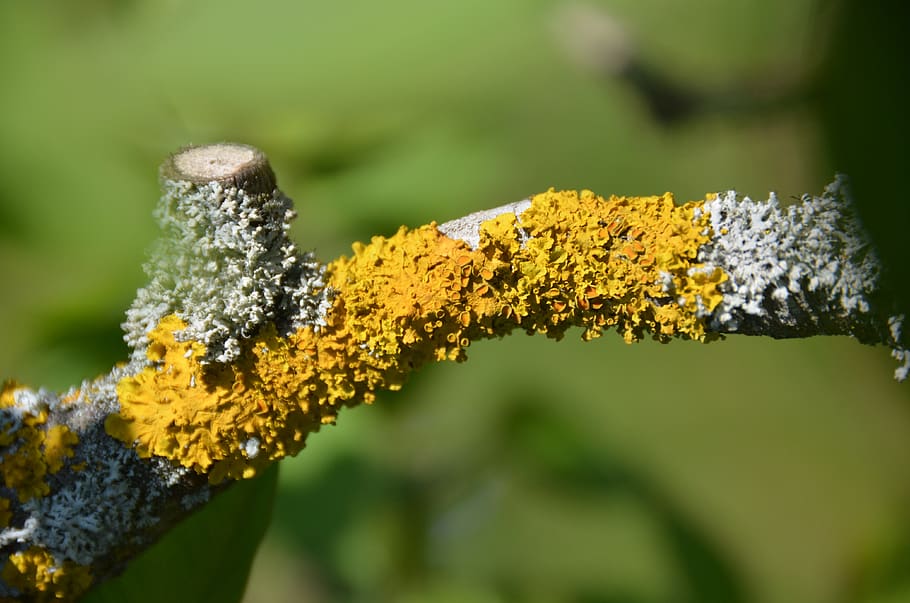
Lichens are often used as bioindicators due to their sensitivity to air pollution. They can be found on trees, rocks, and other surfaces. In areas with low pollution levels, healthy lichens exhibit a wide variety of colors and textures. However, in polluted environments, lichens may become discolored, stunted, or even disappear completely.
Mosses:
Mosses are another type of plant that can serve as bioindicators. They are known for their ability to accumulate pollutants from the air and rain. In areas with high air pollution, mosses can exhibit reduced growth and altered morphology, indicating the presence of pollutants.
Birds:
Bird populations can provide valuable information about air pollution’s impact on ecosystems. Certain bird species are highly sensitive to air pollution and may show changes in their breeding patterns, migration routes, or population numbers in polluted areas.
Insects:
Certain insects can act as bioindicators of air pollution. For instance, honeybees are sensitive to changes in air quality and may exhibit altered foraging behavior or reduced population sizes in polluted environments.
Leaves of Plants:
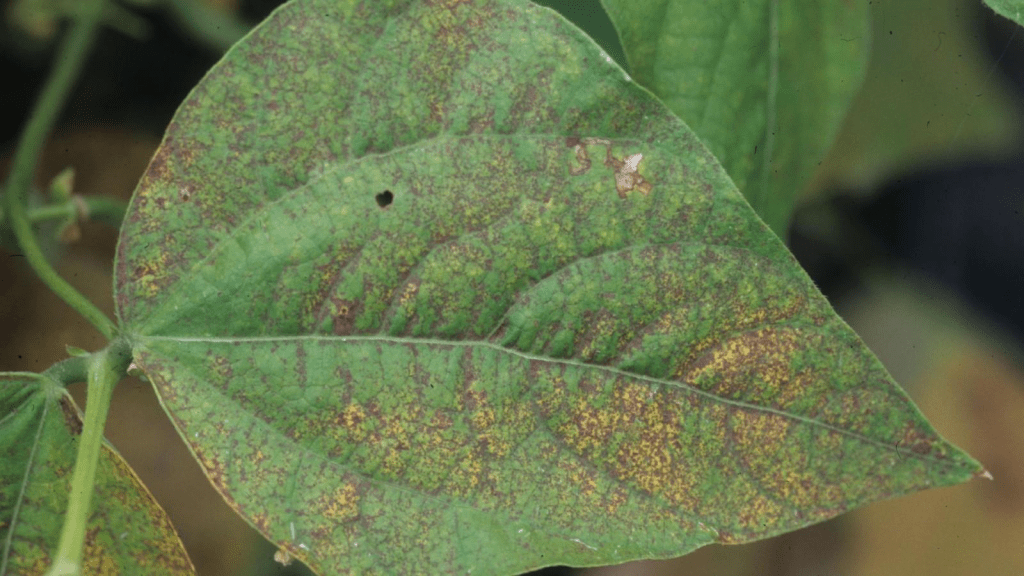
Certain plants display visible changes in their leaves when exposed to air pollutants. For example, they may develop necrosis, leaf spots, or discoloration, providing visual cues of air pollution stress.
Why Are Bioindicators Important?
Bioindicators are essential tools in monitoring air pollution because they offer several advantages:
- Early Detection: Bioindicators can show signs of air pollution before human-made instruments detect it. This early warning system helps authorities take timely actions to mitigate pollution and prevent further damage.
- Cost-Effective: Bioindicators are relatively inexpensive to use compared to sophisticated monitoring equipment, making them a viable option for environmental assessments, especially in resource-limited areas.
- Reflective of Real-World Impacts: Bioindicators represent the effects of pollution on living organisms, providing a direct connection between pollution and its impact on ecosystems and public health.
Bioindicators of air pollution are valuable tools in understanding the quality of the air we breathe and its effects on the environment. By monitoring the health and behavior of certain species, scientists can assess the level of pollution and take appropriate actions to safeguard human health and preserve the delicate balance of nature.
You May Also Like

 Decoding Biosphere