Beneath the shimmering surface of our oceans, lakes, and rivers lies a captivating world teeming with life. This hidden realm, known as the benthic zone, is home to a diverse array of organisms collectively referred to as benthic fauna. From microscopic organisms to complex marine invertebrates, benthic fauna play a crucial role in maintaining the ecological balance of aquatic ecosystems. In this article, we will explore about the benthic fauna, look at the ecological significance, and some noteworthy examples.
Understanding Benthic Fauna:
Benthic fauna encompasses all organisms that inhabit the benthic zone, which extends from the shallow coastal areas to the deepest parts of the ocean floor. This vast and diverse community comprises organisms ranging in size from microscopic bacteria and protozoa to larger invertebrates like crustaceans, mollusks, and echinoderms. Benthic fauna also include bottom-dwelling fish and various species of worms.
Ecological Significance of Benthic Fauna:
- Nutrient Cycling: Benthic fauna play a vital role in nutrient cycling within aquatic ecosystems. They help decompose organic matter, releasing essential nutrients back into the water column, which supports the growth of primary producers and sustains the overall food web.
- Habitat Engineering: Many benthic fauna, such as burrowing worms and bivalves, actively modify their environment by creating burrows, mounds, or reef-like structures. These modifications provide shelter, refuge, and nursery habitats for other organisms, contributing to overall biodiversity.
- Food Web Dynamics: Benthic fauna serve as a crucial link in the food web, occupying various trophic levels. They provide a food source for higher-level predators and help regulate population sizes of both prey and predator species.
- Indicator Species: Certain benthic fauna species are used as indicators of environmental health. Their presence, absence, or abundance can provide insights into the ecological condition of a specific ecosystem, including pollution levels and habitat degradation.
Examples of Benthic Fauna:
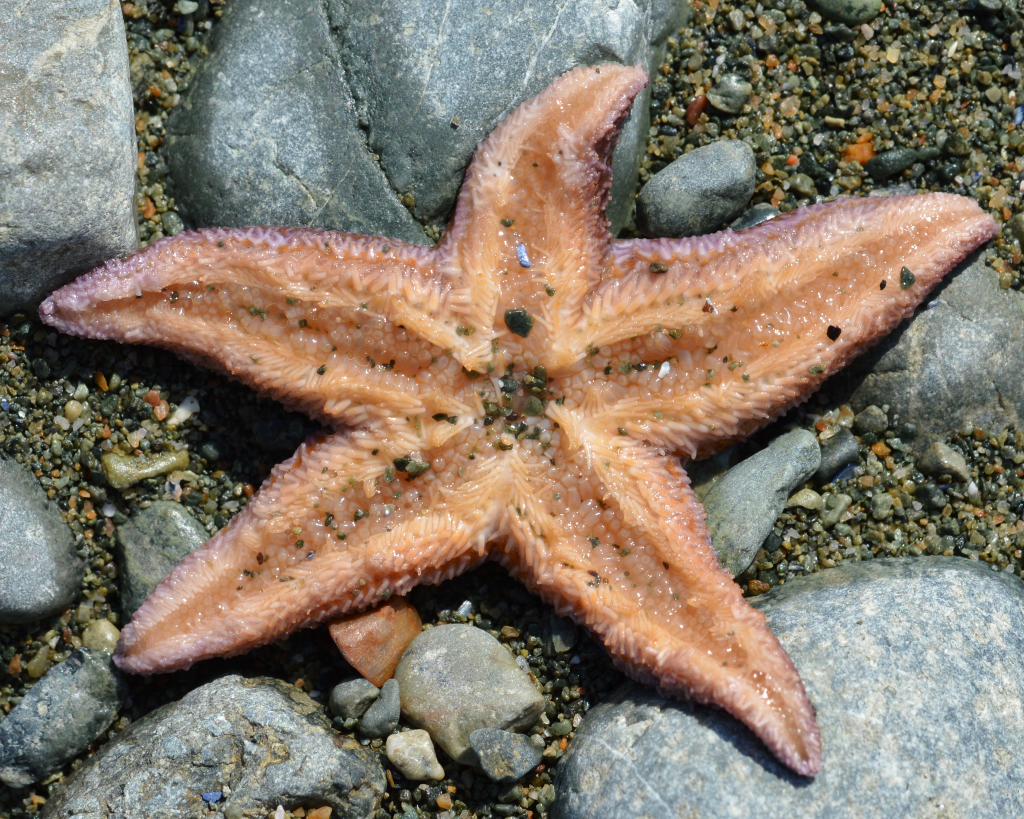
- Sea Stars (Asteroidea): These iconic marine invertebrates, commonly known as starfish, are found in a variety of marine environments worldwide. Sea stars use their tube feet to move across the ocean floor and prey on bivalves, snails, and other small invertebrates.
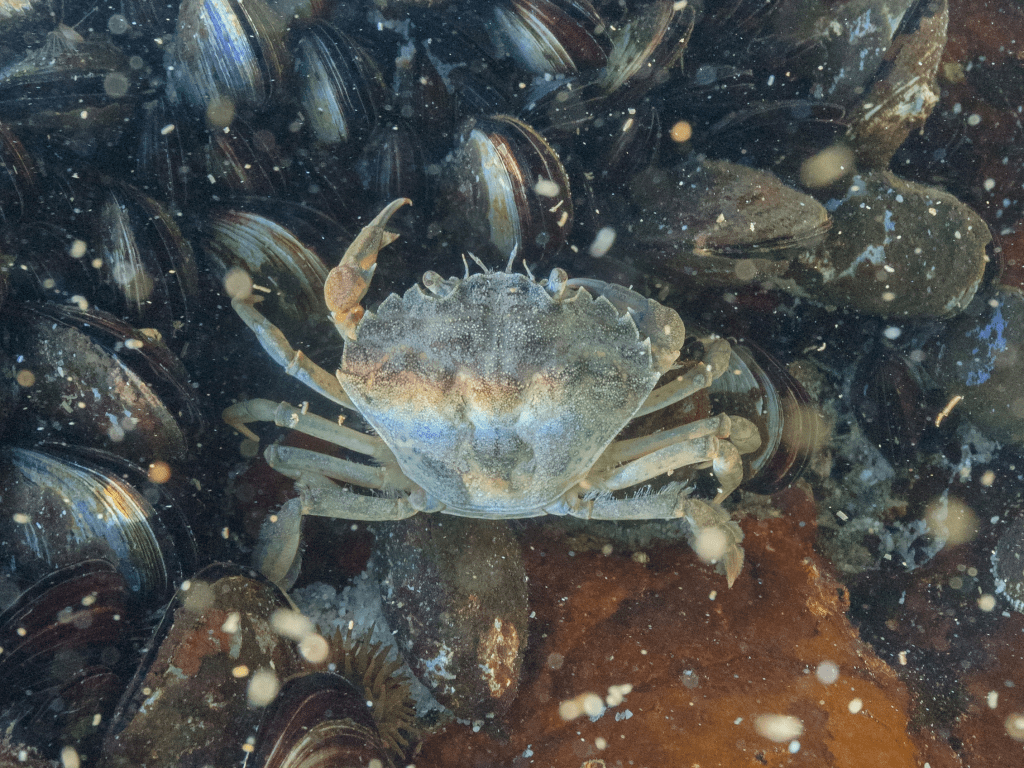
- Crabs (Decapoda): Crabs are crustaceans that inhabit both marine and freshwater environments. With their unique body structure, including a hard exoskeleton and specialized appendages, crabs are well-adapted for scavenging, predation, and burrowing.
- Mussels (Bivalvia): Mussels are filter-feeding bivalve mollusks that attach themselves to submerged surfaces such as rocks, pilings, and shells. They play a critical role in water filtration, improving water quality, and provide habitat for other organisms.

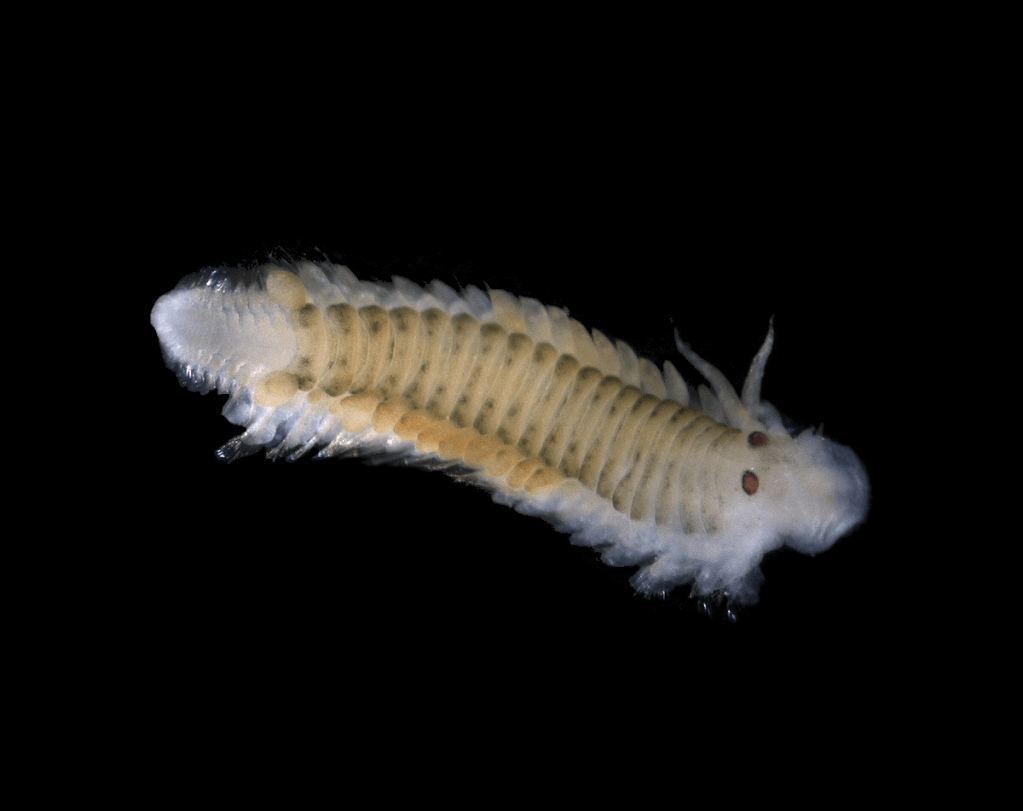
- Polychaete Worms (Polychaeta): Polychaete worms are a diverse group of segmented worms found in marine environments. They exhibit a range of adaptations, including bristle-like appendages called chaetae for movement and various feeding strategies.
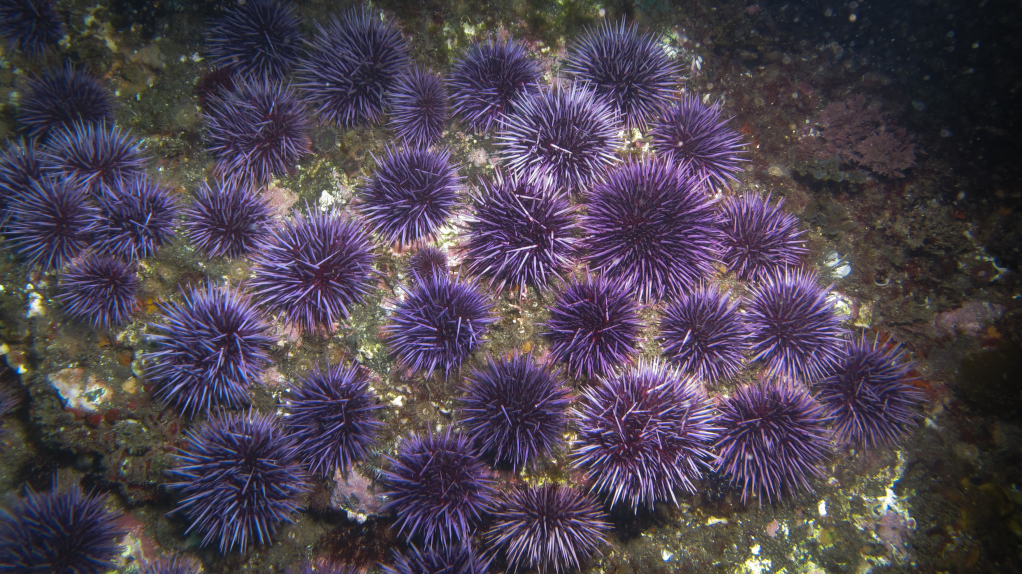
- Sea Urchins (Echinoidea): Sea urchins are spiny marine invertebrates that inhabit both shallow and deep ocean floors. They play a vital ecological role by grazing on algae, which helps maintain the balance of the ecosystem and promote biodiversity.
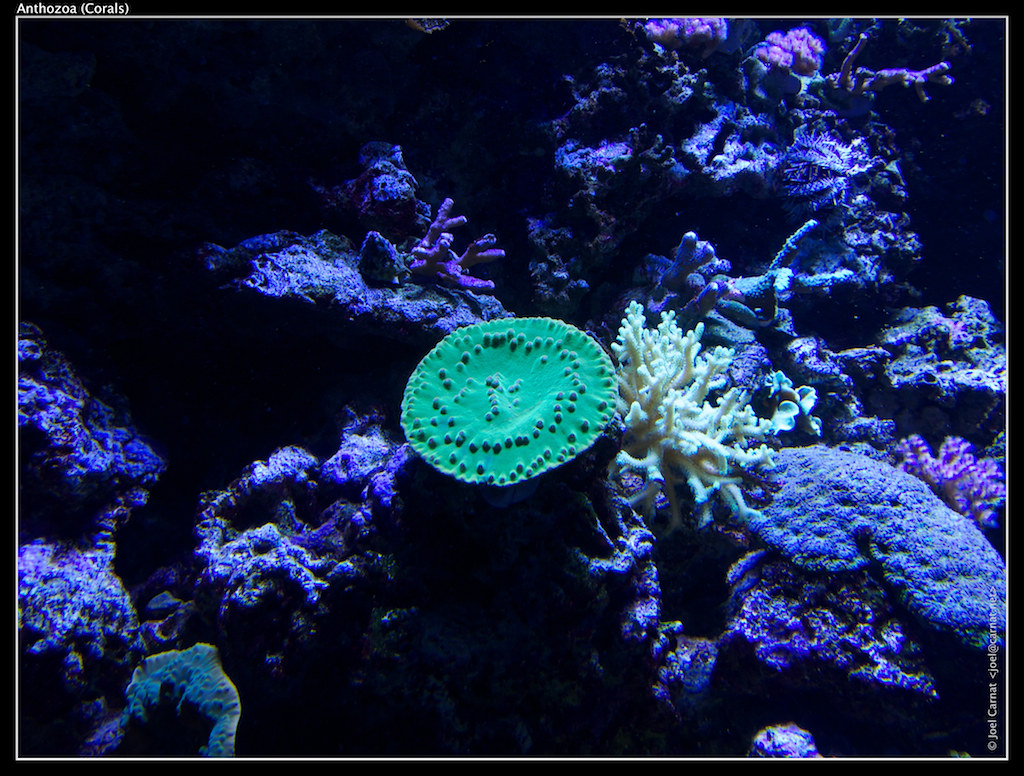
- Coral (Anthozoa): Coral colonies are composed of tiny individual polyps that secrete calcium carbonate skeletons, forming expansive and diverse reef systems. Coral reefs are among the most biologically diverse ecosystems on Earth, providing habitats for countless species.
Take Away Points:
The benthic fauna that inhabit the depths of our aquatic environments hold a world of wonder and ecological importance. From their intricate adaptations to their integral roles in nutrient cycling, habitat engineering, and food web dynamics, these organisms contribute to the overall health and functioning of aquatic ecosystems. By exploring the diverse examples of benthic fauna, we gain a deeper appreciation for the interconnectedness and richness of marine and freshwater environments.
MCQs
- Which of the following terms refers to the organisms that inhabit the benthic zone?
- a) Pelagic fauna
- b) Benthic fauna
- c) Demersal fauna
- d) Abyssal fauna
- What is the primary role of benthic fauna in aquatic ecosystems?
- a) Oxygen production
- b) Nutrient cycling
- c) Surface water cooling
- d) Carbon sequestration
- Which of the following is an example of benthic fauna?
- a) Dolphins
- b) Turtles
- c) Sea stars
- d) Jellyfish
- How do benthic fauna contribute to nutrient cycling?
- a) By consuming plankton
- b) By decomposing organic matter
- c) By photosynthesis
- d) By creating coral reefs
- Which of the following benthic fauna is known for its role in water filtration?
- a) Sea stars
- b) Crabs
- c) Mussels
- d) Polychaete worms
- Which group of benthic fauna is commonly found in coral reefs?
- a) Sea urchins
- b) Mussels
- c) Polychaete worms
- d) Sea stars
- Benthic fauna can serve as indicators of:
- a) Air pollution
- b) Soil erosion
- c) Environmental health
- d) Noise pollution
- What is the primary food source for sea stars?
- a) Algae
- b) Plankton
- c) Bivalves
- d) Fish
- Benthic fauna play a crucial role in:
- a) Land-based ecosystems
- b) Terrestrial food chains
- c) Aquatic food webs
- d) Atmospheric processes
- How do benthic fauna contribute to habitat engineering?
- a) By building nests in trees
- b) By constructing coral reefs
- c) By creating underground burrows
- d) By constructing beaver dams
Interested in Crabs? Check out this article
- How Plastic Pollution Is Choking Our Oceans And 12 Real Ways You Can Fix It

- 2025 Outlook: Top Global Trends Shaping the Future of Tech, Lifestyle, Sustainability and Culture

- 10 Eco-Friendly Gift Ideas for People Who Care About the Planet

- Audiobooks vs E-books: Which Is More Eco-Friendly?

- Why Audiobooks Are the Most Sustainable Way to Learn


 Decoding Biosphere