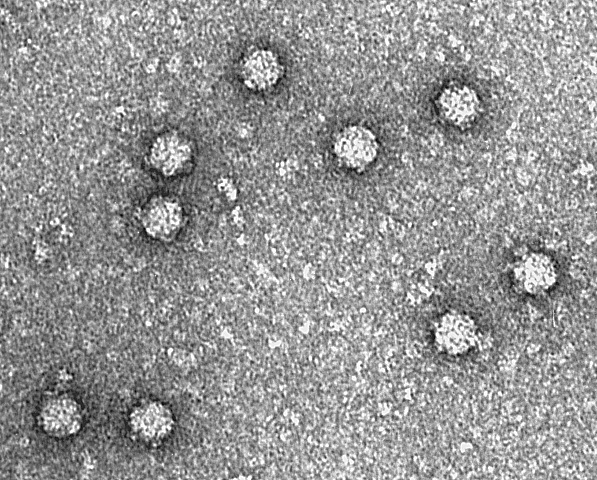
Bacteriophages, often referred to as phages, are a unique group of viruses that specifically infect and replicate within bacterial cells. Derived from the Greek words “bacteria” (meaning bacteria) and “phagein” (meaning to devour), bacteriophages have the remarkable ability to recognize, attach to, and infect bacteria, ultimately leading to their destruction. In this article, we will delve into the world of bacteriophages, exploring their structure, lifecycle, and potential applications in various fields.
Structure of Bacteriophages:
Bacteriophages possess a complex and specialized structure that allows them to infect bacteria efficiently. They typically consist of a protein coat, or capsid, which encapsulates the genetic material of the phage. The genetic material can be either DNA or RNA, depending on the type of phage. Some bacteriophages also possess additional components, such as tail fibers or spikes, which aid in attaching to specific receptors on the surface of bacterial cells.
Lifecycle of Bacteriophages:
The lifecycle of a bacteriophage can be broadly categorized into two main stages: the lytic cycle and the lysogenic cycle.
- Lytic Cycle: In the lytic cycle, the bacteriophage infects a bacterial cell and takes control of its machinery. It uses the host cell’s resources to replicate its genetic material and synthesize new phage particles. Eventually, the infected bacterial cell is destroyed, or lysed, releasing a large number of newly formed phages into the surrounding environment. These phages can go on to infect other bacterial cells and continue the cycle.
- Lysogenic Cycle: In the lysogenic cycle, instead of immediately causing the lysis of the host cell, the phage integrates its genetic material into the bacterial genome. This integrated viral DNA is referred to as a prophage. The bacterial cell continues to divide and replicate normally, with the prophage being passed on to its daughter cells during cell division. Under certain conditions, such as environmental stress, the prophage may be induced to enter the lytic cycle, leading to the production of new phages and the lysis of the host cell.
Applications of Bacteriophages:
Bacteriophages have attracted significant attention due to their potential applications in various fields:
- Antibacterial Therapy: Bacteriophages can be used as a targeted approach for treating bacterial infections. By specifically infecting and killing pathogenic bacteria, phages offer a potential alternative or adjunct to traditional antibiotics, especially in cases where antibiotic resistance is a concern.
- Food Safety: Bacteriophages can be used to control and reduce the presence of harmful bacteria in food products. They have shown promise in preventing the growth of bacterial pathogens in various food items, including meat, dairy products, and fresh produce.
- Environmental Applications: Bacteriophages can be utilized for environmental purposes, such as the treatment of wastewater or the remediation of contaminated environments. They can specifically target and reduce the abundance of harmful bacteria in these settings.
- Research Tools: Bacteriophages are valuable tools in scientific research. They can be used to study bacterial genetics, bacterial evolution, and various molecular and cellular processes. Phages also serve as model systems for understanding viral-host interactions and the mechanisms of viral infection.
- Biocontrol in Agriculture: Bacteriophages can be employed as biocontrol agents in agriculture to combat plant diseases caused by pathogenic bacteria. They can selectively target and kill these bacteria, offering a potential eco-friendly approach to disease management.
In conclusion, bacteriophages are viruses that specifically infect bacteria, utilizing their host cells’ machinery to replicate and produce new phage particles. They have a complex structure and exhibit two main lifecycle stages: the lytic cycle and the lysogenic cycle. Bacteriophages have diverse applications, ranging from antibacterial therapy and food safety to environmental remediation and agricultural biocontrol. The unique ability of bacteriophages to target specific bacteria holds great potential for addressing bacterial infections and related challenges in various fields.
You May Also Like
- How Plastic Pollution Is Choking Our Oceans And 12 Real Ways You Can Fix It

- 2025 Outlook: Top Global Trends Shaping the Future of Tech, Lifestyle, Sustainability and Culture

- 10 Eco-Friendly Gift Ideas for People Who Care About the Planet

- Audiobooks vs E-books: Which Is More Eco-Friendly?

- Why Audiobooks Are the Most Sustainable Way to Learn


 Decoding Biosphere