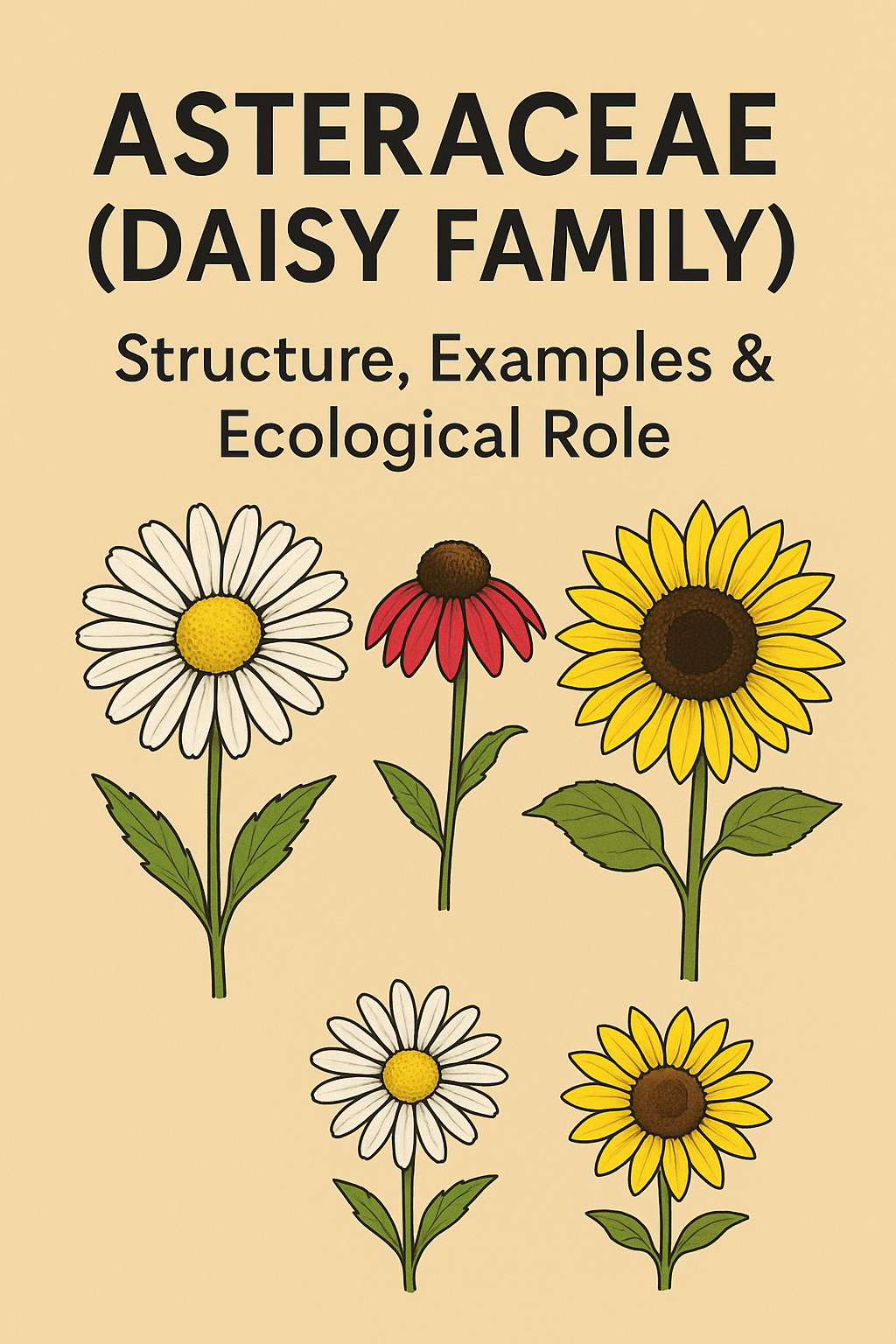
Asteraceae, commonly known as the aster, daisy, or sunflower family, is one of the largest and most diverse families of flowering plants. With over 23,000 recognized species, this botanical family is renowned for its stunning variety of flowers, ranging from delicate daisies to vibrant sunflowers. In this article, we will delve into the characteristics, distribution, ecological importance, and cultural significance of Asteraceae, celebrating the beauty and diversity of this remarkable plant family.
Characteristics of Asteraceae:
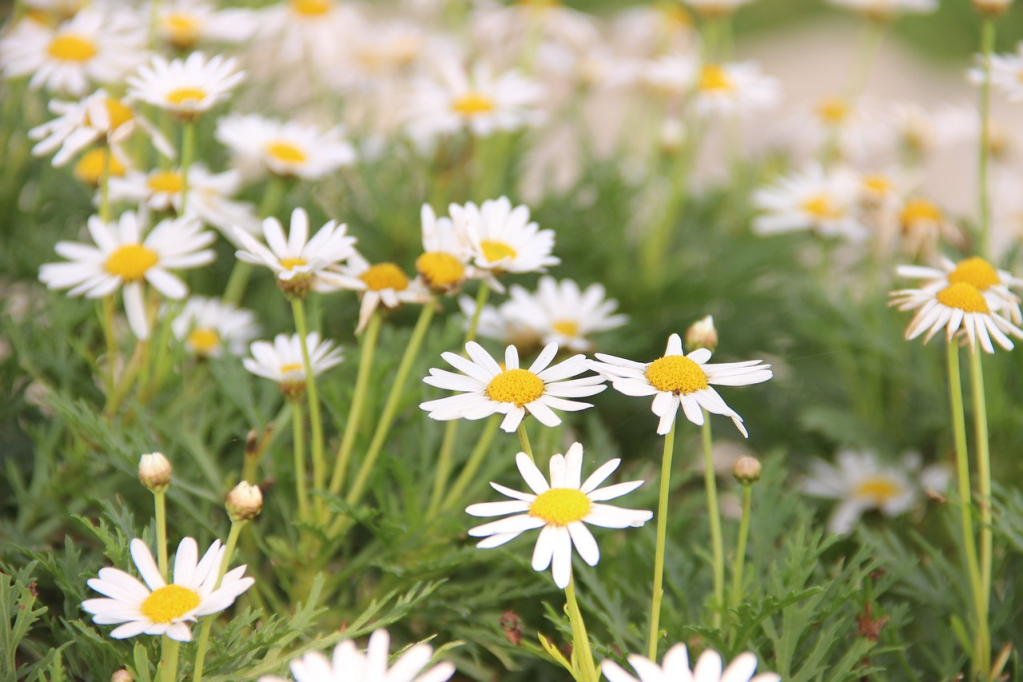
Asteraceae is characterized by its unique flower structure, known as the inflorescence. The inflorescence of Asteraceae consists of many small individual flowers, often arranged in compact clusters known as heads or capitula. Each head is composed of two types of flowers: ray flowers and disk flowers. The ray flowers are typically found on the outer edge and have flat petals, while the disk flowers are tubular and form the central part of the head. This distinctive flower structure sets Asteraceae apart from other plant families.
Distribution and Habitat:
Asteraceae has a worldwide distribution and can be found in diverse habitats, ranging from tropical rainforests to arid deserts. It is particularly abundant in temperate regions. The family includes well-known species such as daisies, sunflowers, asters, marigolds, and dandelions. Asteraceae has adapted to various environmental conditions and can thrive in different soil types and climates, making it a highly successful and widespread plant family.
Asteraceae Family Examples
The Asteraceae family, also known as the aster, daisy, or sunflower family, comprises a vast number of species. Here are a few notable examples:
- Sunflower (Helianthus): Sunflowers are iconic members of the Asteraceae family. Known for their large, vibrant yellow flowers with a dark center, sunflowers are not only visually stunning but also economically important. They are cultivated for their edible seeds and oil and are widely grown for ornamental purposes.
- Daisy (Bellis perennis): Daisies are charming perennial flowers with a characteristic white or pinkish flower head and yellow disk florets in the center. They are popular in gardens and are often associated with innocence and purity. Daisies are also significant in folklore and have been used in traditional medicine for their medicinal properties.
- Chrysanthemum (Chrysanthemum): Chrysanthemums are renowned for their diverse and colorful blooms, making them popular choices in gardens and floral arrangements. They come in a variety of forms, including daisy-like, pompon, and spider-shaped flowers. Chrysanthemums are native to Asia and are culturally significant in countries like Japan, where they are associated with autumn and are used in festivals and ceremonies.
- Marigold (Tagetes): Marigolds are vibrant flowers characterized by their bright orange or yellow petals and a distinctive pungent scent. They are widely cultivated for their ornamental value and are often planted in gardens to repel pests. Marigolds are also used in traditional medicine and have cultural significance in various countries and festivals.
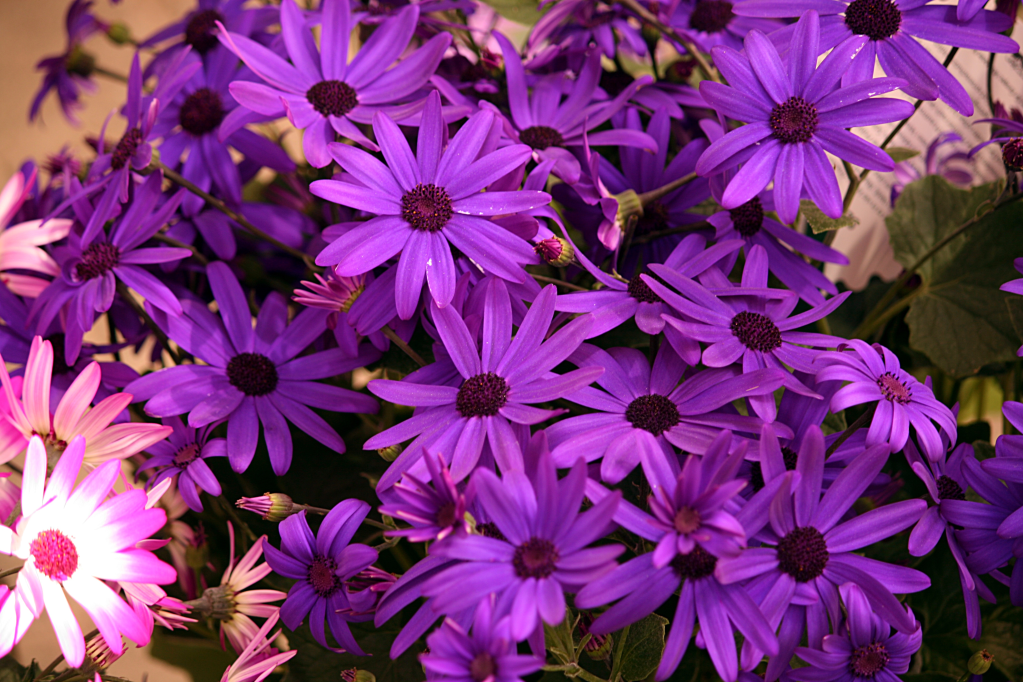
- Aster (Aster): Asters are diverse and abundant members of the Asteraceae family. They exhibit a wide range of colors, including shades of purple, pink, blue, and white. Asters are known for their star-shaped flowers, hence the name “aster” derived from the Greek word meaning “star.” They are popular as late-season bloomers and are attractive to pollinators.
- Gerbera Daisy (Gerbera): Gerbera daisies are native to South Africa and are widely cultivated for their large, colorful flowers. They are available in various hues, including pink, orange, red, and yellow. Gerbera daisies are highly valued as cut flowers and are often used in floral arrangements and bouquets.
These examples represent only a fraction of the vast diversity within the Asteraceae family.
Ecological Importance:
Asteraceae plays a crucial ecological role in numerous ecosystems. The abundant flowers of Asteraceae attract a wide range of pollinators, including bees, butterflies, and birds, contributing to pollination and the reproductive success of many plant species. The nectar and pollen provided by Asteraceae flowers serve as an important food source for these pollinators, supporting their populations and promoting biodiversity. Additionally, some Asteraceae species serve as host plants for specific butterfly and moth species.
Cultural Significance and Uses:
Asteraceae flowers hold cultural and symbolic significance in many societies. They have been used in traditional medicine for their medicinal properties, with some species believed to have anti-inflammatory, diuretic, and antimicrobial effects. The vibrant flowers of Asteraceae are also commonly used in floral arrangements and gardens for their beauty and long-lasting blooms. Additionally, several Asteraceae species, such as sunflowers and marigolds, have economic importance as food crops, ornamental plants, or sources of oils and dyes.
Conservation and Protection:
Given the ecological and cultural importance of Asteraceae, conservation efforts are crucial to preserve its diversity and habitats. Habitat destruction, climate change, and invasive species pose significant threats to many Asteraceae species. Protecting natural habitats, promoting sustainable land management practices, and raising awareness about the importance of preserving biodiversity can help safeguard the future of Asteraceae and other plant families.
Take Away Points:
Asteraceae is a diverse and captivating family of flowering plants, boasting an astonishing array of colors, shapes, and sizes. From the radiant sunflowers to the delicate daisies, Asteraceae flowers have captured our imagination and become symbols of beauty and resilience. Beyond their visual appeal, these plants play vital ecological roles as pollinator attractors and providers of food and habitat. By appreciating and conserving the rich diversity of Asteraceae, we can ensure the preservation of these extraordinary flowers and the ecosystems they inhabit.

 Decoding Biosphere