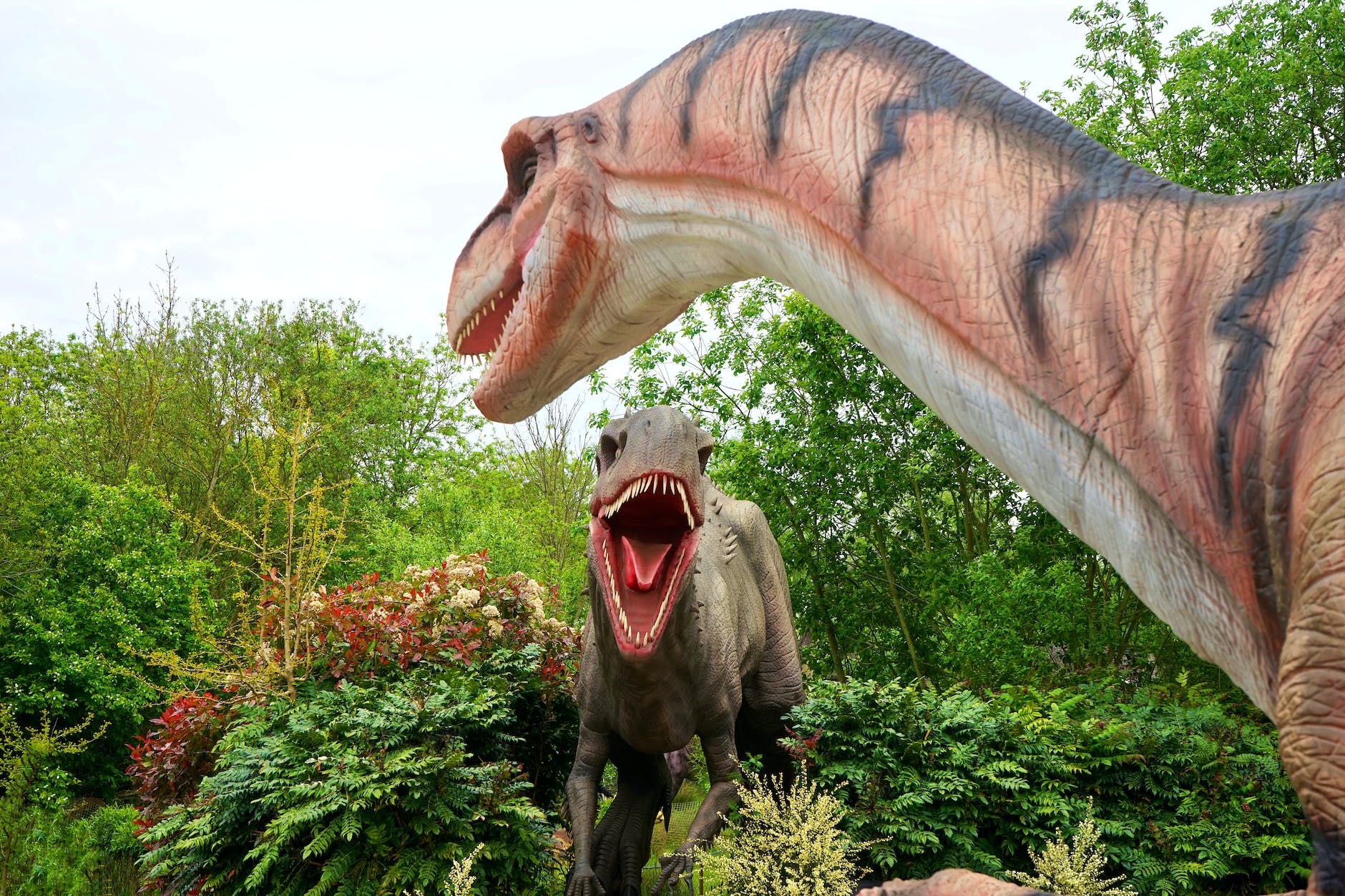
Dinosaurs have long captivated our imaginations. These incredible creatures, which ruled the Earth millions of years ago, have left behind a legacy of wonder and curiosity. In this post, we’ll explore 100 astonishing facts about dinosaurs that will take you on a journey through their incredible world.
100 Fascinating Facts About Dinosaurs
1. The Word “Dinosaur” Means “Terrible Lizard”: The term “dinosaur” originates from the Greek words “deinos,” meaning terrible, and “sauros,” meaning lizard.
2. Dinosaurs Roamed the Earth for Over 150 Million Years: Dinosaurs appeared during the Triassic period about 230 million years ago and continued to exist until the Cretaceous-Tertiary (K-T) extinction event 65 million years ago.
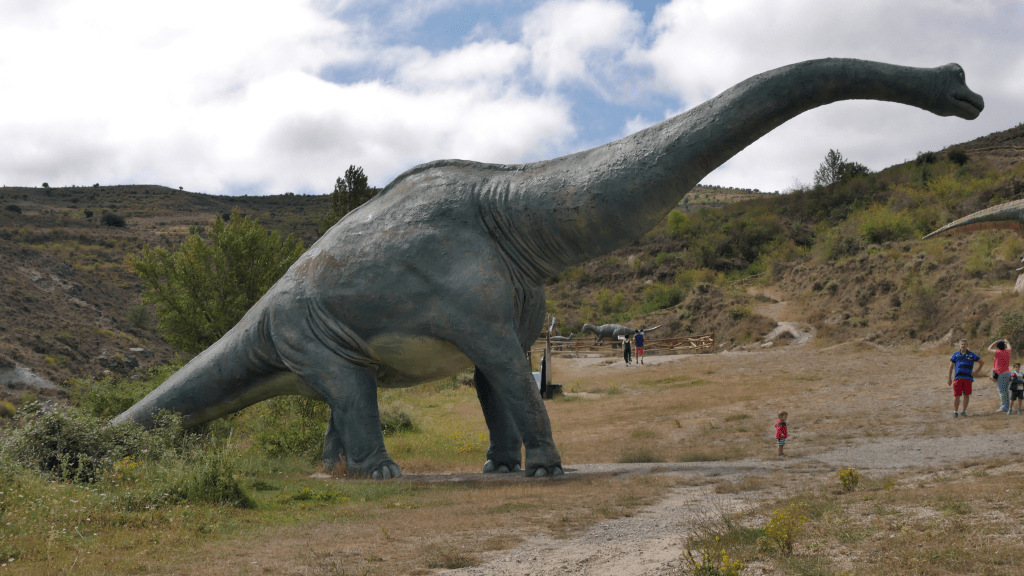
3. Largest Dinosaur: Argentinosaurus: Argentinosaurus, a massive herbivore, is believed to be one of the largest dinosaurs ever, with lengths of up to 100 feet and weights of around 100 tons.
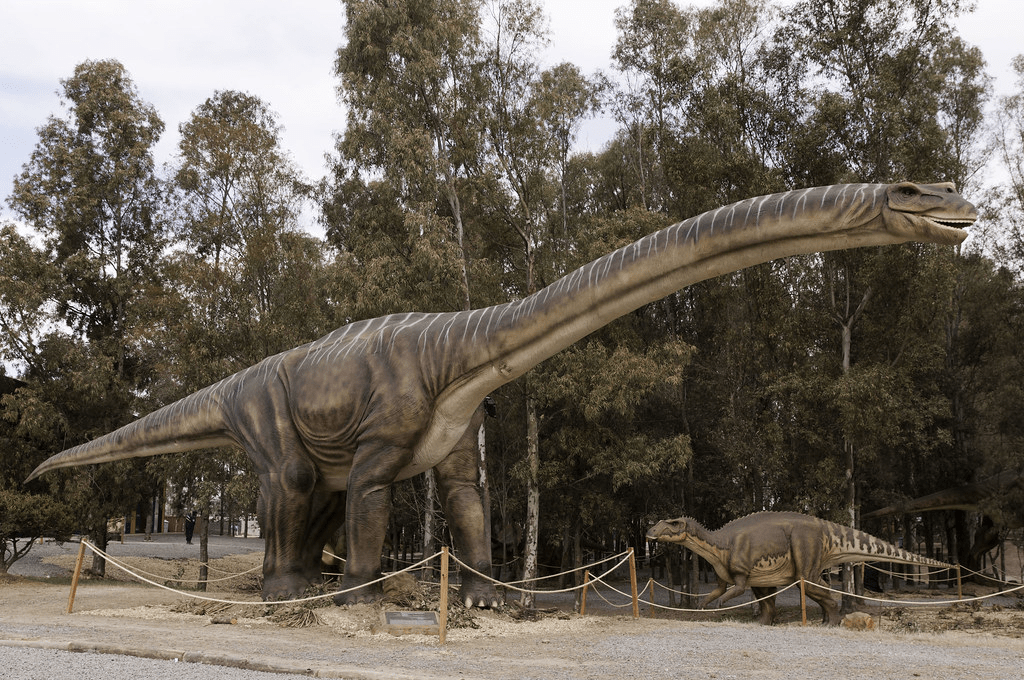
4. Oldest Dinosaur: Nyasasaurus: Nyasasaurus, dating back to around 243 million years ago, is considered one of the oldest known dinosaurs.
5. Dinosaurs Were Not the First Reptiles: Dinosaurs evolved from a group of reptiles known as archosaurs, which also gave rise to crocodiles and pterosaurs.
6. Feathers on Dinosaurs: Many dinosaurs had feathers, not for flight but for insulation, display, and possibly gliding.
7. T-Rex: The Most Famous Dinosaur: Tyrannosaurus rex, or T-Rex, is one of the most iconic dinosaurs known for its massive size and powerful jaws.
8. Speedy Dinosaur: Velociraptor: Despite its portrayal in movies, Velociraptors were about the size of a turkey and had feathers. They were agile and intelligent predators.
9. Diverse Diet: Dinosaurs had diverse diets. Some were herbivores (plant-eaters), some were carnivores (meat-eaters), and others were omnivores (eating both plants and animals).
10. Longest Neck: Sauroposeidon: Sauroposeidon had an exceptionally long neck, estimated to be around 39 feet in length.

11. Flying Dinosaurs: Pterosaurs: Pterosaurs, often confused with dinosaurs, were flying reptiles that lived alongside dinosaurs. They include the famous Pteranodon.
12. Smart Dinosaurs: Troodon: Troodon, a small dinosaur, is considered one of the most intelligent dinosaurs based on its brain-to-body size ratio.
13. The “Bone Wars”: A fierce scientific rivalry between paleontologists Othniel Charles Marsh and Edward Drinker Cope in the late 19th century led to the discovery of many dinosaur fossils.
14. Warm-Blooded Dinosaurs: Some dinosaurs were likely warm-blooded, meaning they could regulate their body temperature. This is still a topic of ongoing research.
15. Cold-Blooded Dinosaurs: Some dinosaurs, especially larger ones, may have been cold-blooded, relying on the environment for temperature regulation.
16. Colorful Dinosaurs: Scientists have found evidence that some dinosaurs had colorful feathers, scales, or skin, used for camouflage or courtship displays.
17. Dinosaur Eggs: Fossils of dinosaur eggs and nests have been discovered, providing insights into their reproductive behaviors.
18. Baby Dinosaurs: Hatchlings Were Adorable: Baby dinosaurs, like those of the Protoceratops, were born as cute, tiny versions of their adult selves.
19. Dinosaurs with Armor: Ankylosaurus: Ankylosaurus was a heavily armored dinosaur with bony plates and a club-like tail used for defense.
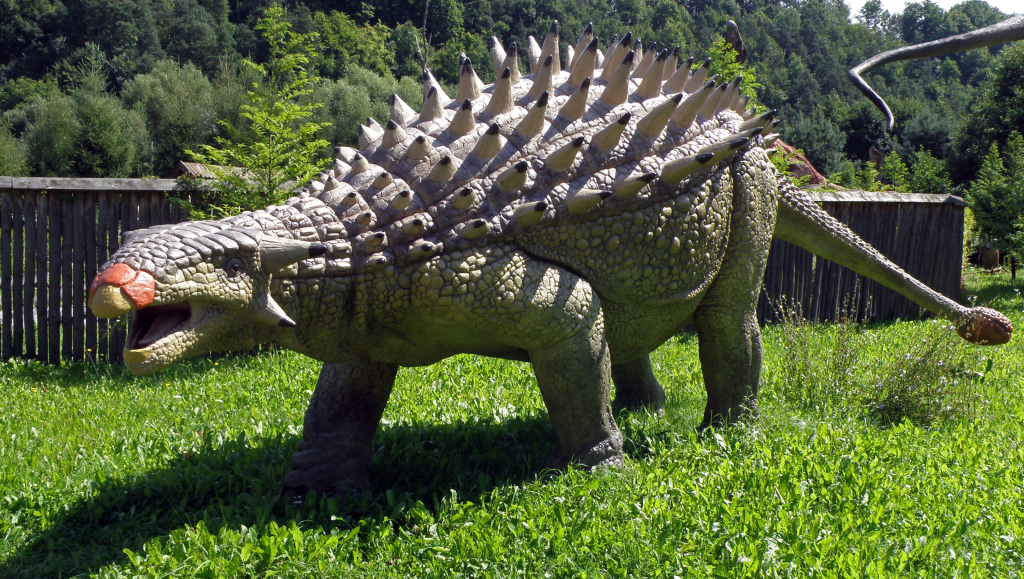
20. Spikes and Plates: Stegosaurus: Stegosaurus featured distinctive double rows of bony plates along its back and formidable spikes on its tail.
21. Dinosaur Sounds: Some dinosaurs likely communicated using vocalizations, roars, and other sounds, although we can’t know exactly what they sounded like.
22. Dinosaur Social Behavior: Evidence suggests that some dinosaurs, like Maiasaura, may have exhibited social behaviors, including nesting colonies.
23. Flying Dinosaurs’ Parenting: Pterosaurs were caring parents, with some species known to build nests and feed their offspring.
24. Swimming Dinosaurs: Ichthyosaurs: Ichthyosaurs were marine reptiles that lived during the time of dinosaurs, resembling dolphins or fish.
25. Dinosaur Extinction: The Cretaceous-Tertiary (K-T) extinction event, likely caused by an asteroid impact, wiped out non-avian dinosaurs around 65 million years ago.
26. Dinosaur Diversity: Dinosaurs came in all shapes and sizes, from the tiny Microraptor to the enormous Argentinosaurus, showcasing incredible diversity.
27. Earliest Dinosaur Fossil Discovery: The first scientifically documented dinosaur fossil, a Megalosaurus tooth, was discovered in England in the early 19th century.
28. Speedy Dinosaurs: Ornithomimids, also known as “ostrich dinosaurs,” were fast runners and resembled modern-day ostriches.
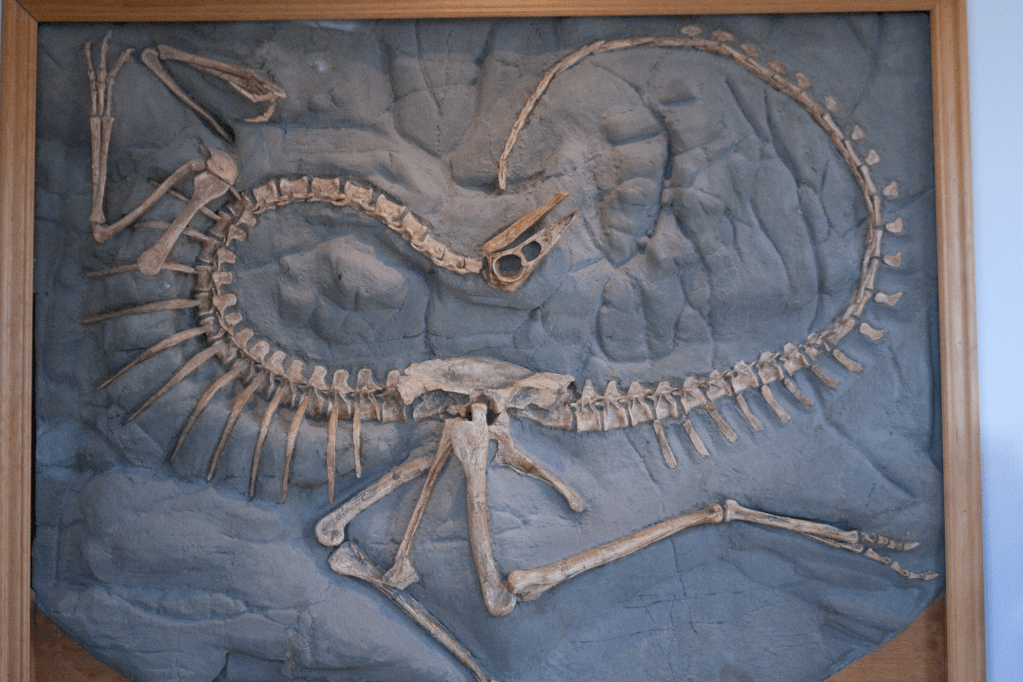
29. Dinosaur Migration: Some dinosaurs, like the sauropod Amargasaurus, may have undertaken long-distance seasonal migrations.
30. Dinosaur Feeding Adaptations: Herbivorous dinosaurs evolved various adaptations for processing plant material, including beaks, teeth, and gastroliths (stone-filled stomachs).
31. The Largest Land Animal: Argentinosaurus holds the title of one of the largest land animals ever, with estimated lengths of up to 100 feet.
32. Smallest Dinosaur: The smallest dinosaur, like Microraptor, was roughly the size of a crow.
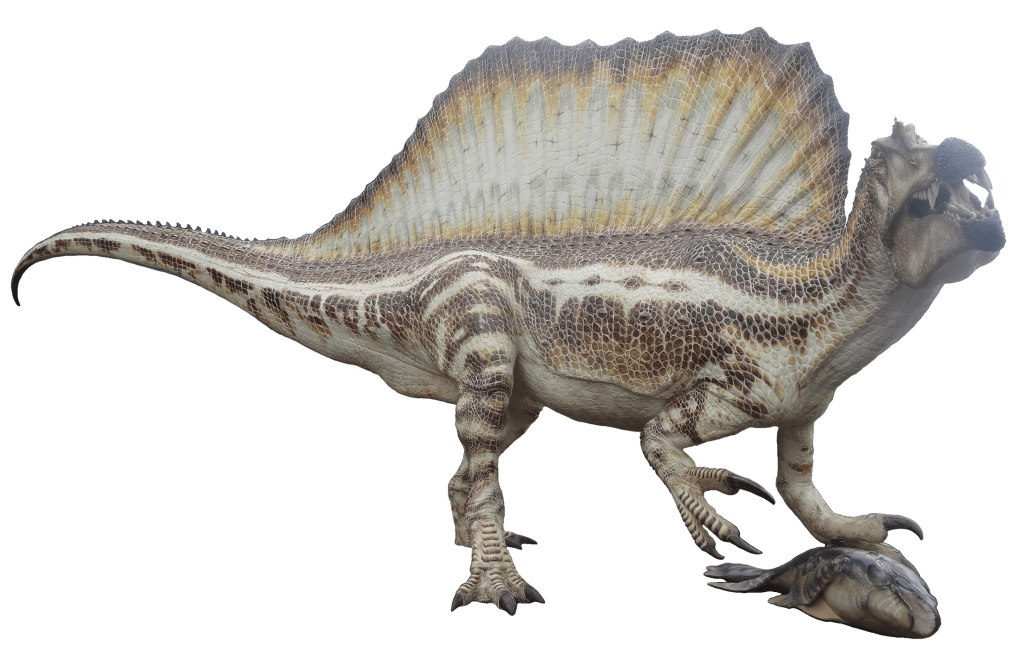
33. Feeding Behavior: The carnivorous Spinosaurus likely spent a significant portion of its time hunting and fishing in water.
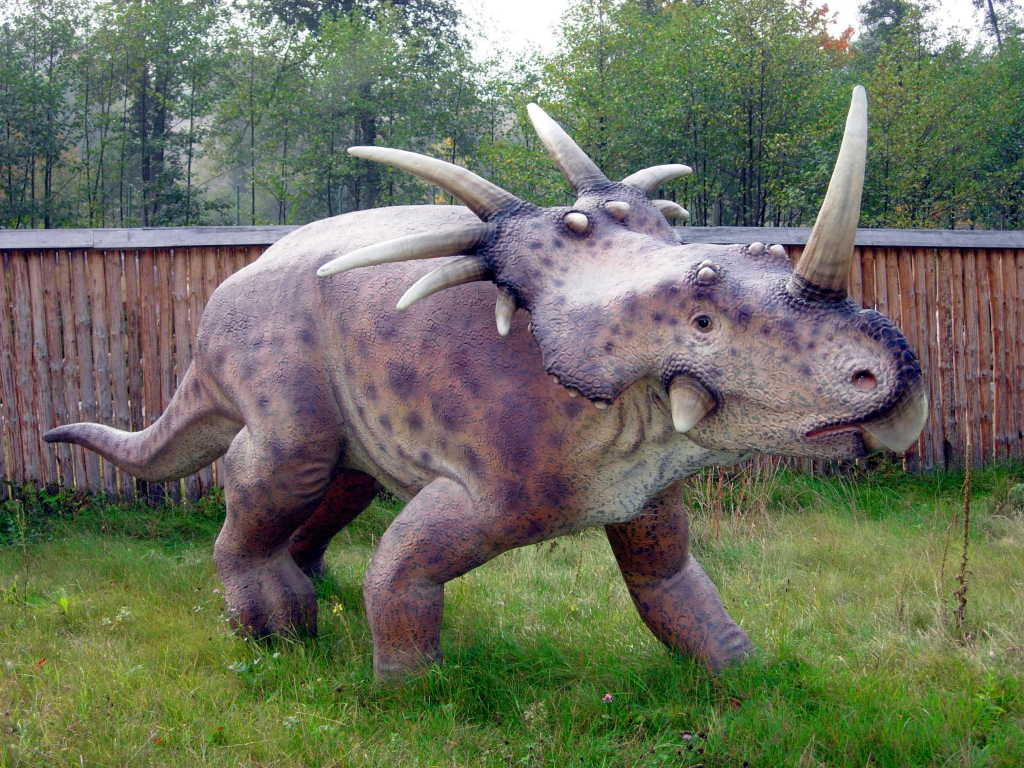
34. Horned Dinosaurs: Dinosaurs like Triceratops had impressive frills and horns, possibly used for defense against predators and in intraspecies combat.
35. Dinosaur Lifespan: Most dinosaurs had relatively long lifespans, with some living up to 30 years or more.
36. Dinosaur Teeth Replacement: Many dinosaurs had teeth that were continuously replaced throughout their lives, similar to modern sharks.
37. Dinosaur Nests: Fossilized dinosaur nests have been found, revealing clues about their nesting and parental care behaviors.
38. Dinosaur Behavior: Fossilized trackways show evidence of dinosaur behaviors, including walking, running, and herding.
39. Dinosaur Endothermy: Some dinosaurs, especially those related to birds, were likely endothermic (warm-blooded), enabling them to maintain a relatively constant body temperature.
40. Dinosaur Bipedalism: Many theropod dinosaurs, such as Velociraptors and Tyrannosaurus rex, walked on two legs.

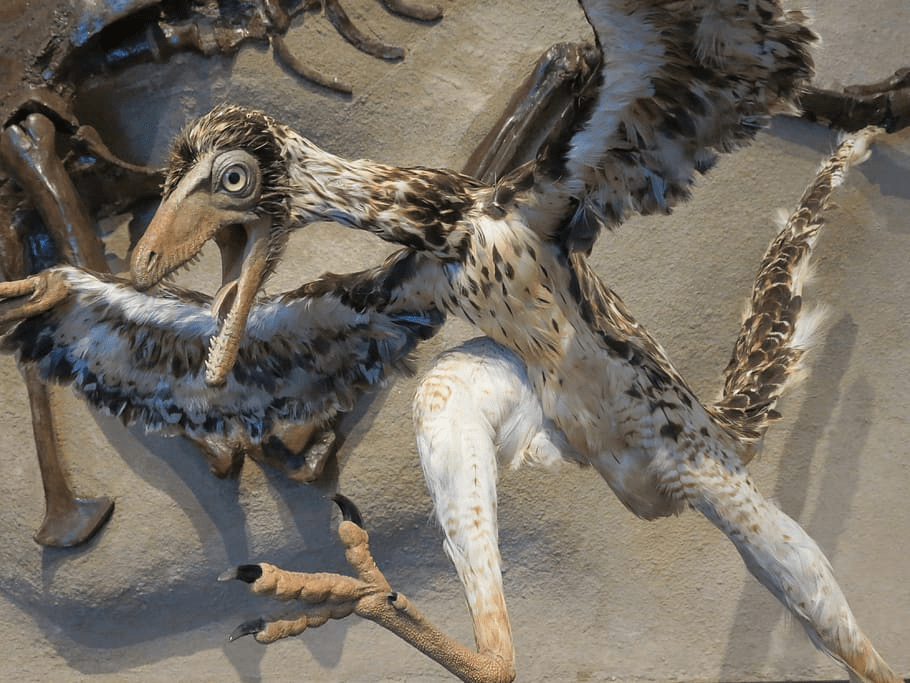
41. Feathered Dinosaurs: Fossils of feathered dinosaurs like Archaeopteryx provide a link between dinosaurs and modern birds.
42. Dinosaur Brain Size: Despite their enormous size, some dinosaurs had relatively small brains compared to their body mass.
43. Social Dinosaurs: Fossils suggest that some dinosaurs, including Hadrosaurs, traveled and lived in herds, possibly for protection against predators.
44. Unique Nasal Crest: Parasaurolophus had a distinctive nasal crest that may have been used for vocalization and temperature regulation.
45. Aquatic Adaptations: Spinosaurus was uniquely adapted for aquatic life, with crocodile-like features and a sail-like structure on its back.
46. Mass Extinction Survivors: Some lineages of theropod dinosaurs gave rise to modern birds, making birds the only living descendants of dinosaurs.
47. Feather Evolution: The evolution of feathers in dinosaurs is a fascinating example of how structures can change over time for different purposes, from insulation to flight.
48. Gigantic Sauropods: Sauropods, like Brachiosaurus and Apatosaurus, had incredibly long necks and tails, allowing them to reach high vegetation.
49. Avian Dinosaurs: Birds are considered avian dinosaurs, sharing a common ancestry with their non-avian dinosaur relatives.
50. Dinosaur Fossil Discoveries: Dinosaur fossils have been found on every continent, providing valuable insights into Earth’s ancient history.
51. Dinosaur Coprolites: Fossilized dinosaur feces, known as coprolites, provide insights into the diets and behaviors of these ancient creatures.
52. Dinosaur Eggs Come in Various Shapes: Dinosaur eggs were not all the same shape. Some were spherical, while others were elongated or even shaped like a teardrop.
53. Feathered Raptor Dinosaurs: Velociraptors and their relatives, known as dromaeosaurs, had feathers covering their bodies.
54. First Dinosaur Skeleton: The first nearly complete dinosaur skeleton ever found and scientifically described was that of Hadrosaurus foulkii in 1858.
55. Largest Carnivorous Dinosaur: Spinosaurus is considered one of the largest carnivorous dinosaurs, even surpassing T-Rex in length.
56. Dinosaurs in Space: A small asteroid discovered in 1991 was named 9954 Brachiosaurus in honor of the famous dinosaur.
57. Dinosaur Paleontologists: Mary Anning, a self-taught paleontologist in the early 19th century, made significant contributions to the field, including discovering the first complete Ichthyosaurus skeleton.
58. Dinosaur Resurgence in Pop Culture: Dinosaurs experienced a resurgence in popular culture in the early 1990s, thanks in part to the release of the movie “Jurassic Park.”
59. Feathered Dinosaur Flight: While not capable of powered flight, some feathered dinosaurs, like Microraptor, could glide through the air.

60. Armored Dinosaurs: Dinosaurs like Ankylosaurus were covered in thick armor, making them formidable against predators.
61. Dinosaur Paleobiogeography: The distribution of dinosaur fossils around the world helps scientists understand the Earth’s ancient geography.
62. Mysterious Footprints: Some dinosaur footprints exhibit mysterious patterns, suggesting unique behaviors like dancing or mating rituals.
63. Dinosaur Skull Variations: Dinosaurs displayed a wide range of skull shapes and features adapted to their specific diets and lifestyles.
64. Warm Climates: Dinosaurs lived during a time when the Earth’s climate was generally warmer, with lush vegetation.
65. Dinosaur Migrations: Some dinosaurs, like the sauropod Brachiosaurus, likely migrated between continents, as their fossils have been found on different landmasses.
66. Discovery of the Dinosauria: Sir Richard Owen coined the term “Dinosauria” in 1842, formally categorizing these ancient reptiles.
67. Dinosaur Dancing Hypothesis: Some paleontologists speculate that dinosaur mating rituals might have included intricate dances.
68. Dinosaur Nomenclature: Dinosaur names often reflect their characteristics, such as Deinonychus, which means “terrible claw.”
69. Dinosaur Senses: Little is known about dinosaur senses, but some likely had keen vision and sense of smell, crucial for survival.
70. Dinosaur Hunting Styles: Carnivorous dinosaurs used various hunting strategies, from ambush predators to pursuit hunters.
71. Aquatic Predators: Spinosaurus, a dinosaur adapted to life in the water, likely preyed on fish and other aquatic creatures.
72. Dinosaur Evolution Timeline: The evolution of dinosaurs spans millions of years, with various lineages and adaptations.
73. Horned Dinosaurs: Dinosaurs like Styracosaurus and Centrosaurus had impressive frills adorned with horns, possibly for defense and display.
74. Fast-Growing Dinosaurs: Some dinosaurs, like the sauropod Brachiosaurus, grew rapidly, reaching their massive sizes relatively quickly.
75. Dinosaur Resilience: Dinosaurs faced numerous challenges during their reign, adapting to changing environments and surviving mass extinctions.
76. Oldest Known Dinosaur Nest: A nesting ground of Massospondylus dinosaurs in South Africa is one of the oldest dinosaur nesting sites ever discovered.
77. Extinction Event Survivors: While non-avian dinosaurs went extinct, their closest relatives, birds, survived and continue to thrive today.
78. Dinosaur Footprints Preserved: Dinosaur footprints, known as tracks, are preserved in rocks around the world and provide clues about dinosaur locomotion.
79. Dinosaur Mummies: Extraordinary fossils called “dinosaur mummies” have been found with preserved skin and soft tissues, offering insights into dinosaur anatomy.
80. Dinosaur Herding: Some evidence suggests that certain dinosaurs, like hadrosaurs, might have moved in herds, similar to modern-day buffalo or wildebeest.
81. Ancient Relatives of Dinosaurs: Before dinosaurs, reptiles like the archosaurs and thecodonts ruled the Earth.
82. Largest Land Animal Group: Sauropod dinosaurs formed the largest group of land animals in Earth’s history.
83. Dinosaur Courtship Displays: Dinosaurs likely engaged in elaborate courtship displays, with some species displaying colorful frills or crests to attract mates.
84. Dinosaur Tooth Shape: Different types of dinosaur teeth were adapted to their diets. Carnivores had sharp, serrated teeth, while herbivores had grinding teeth.
85. Dinosaur Classification: Dinosaurs are classified into two main groups: the Saurischia (lizard-hipped) and Ornithischia (bird-hipped) based on pelvic structure.
86. Dinosaur Thermoregulation: Some researchers suggest that larger dinosaurs may have been mesothermic, having an intermediate metabolic rate between warm and cold-blooded.
87. Dinosaur Paleoclimatology: The study of dinosaur fossils can provide valuable insights into ancient climates and ecosystems.
88. Sound-Producing Dinosaurs: Some researchers believe that dinosaurs may have been capable of producing sounds, possibly for communication.
89. Dinosaur Fossils in Antarctica: Dinosaur fossils have been discovered in Antarctica, providing evidence that the continent was once much warmer.
90. Iguanodon: Herbivorous Giant: Iguanodon was a significant herbivorous dinosaur known for its thumb spike, which scientists initially mistook for a nose horn.

91. Paleontological Discoveries in China: China has become a hotspot for dinosaur discoveries, with many new and unique species being found there.
92. Dinosaur Artifacts in Mythology: Some ancient cultures may have interpreted dinosaur fossils as the remains of mythical creatures.
93. Dinosaur Soft Tissues: In rare instances, soft tissues like blood vessels and collagen have been found preserved in dinosaur bones.
94. Dinosaur Migration Patterns: Scientists have identified evidence of dinosaur migrations by studying trackways and fossilized bones.
95. Changing Views on Dinosaur Posture: Early depictions of dinosaurs often showed them as slow-moving, tail-dragging creatures, but our understanding of their posture has changed.
96. Dinosaur Senses: Some dinosaurs, like the carnivorous Tyrannosaurus rex, had excellent binocular vision, possibly for hunting.
97. Dinosaur Paleopathology: The study of dinosaur pathologies reveals that these creatures, like modern animals, suffered from various illnesses and injuries.
98. Coping with Changing Oceans: Marine reptiles like the plesiosaurs and ichthyosaurs thrived in Mesozoic oceans alongside dinosaurs.
99. Dinosaur-Bird Connection: The discovery of Archaeopteryx and other feathered dinosaurs has strengthened the link between dinosaurs and modern birds.
100. Continued Discovery: Paleontologists continue to make new dinosaur discoveries, expanding our knowledge of these incredible creatures.
These 100 facts only scratch the surface of what we know about dinosaurs. They remain a source of fascination and wonder, inspiring both scientific research and our imaginations.
You May Also Like

 Decoding Biosphere