
Zinnias are a popular garden flower that comes in a variety of colors and sizes. They are easy to grow, making them a popular choice for both experienced gardeners and beginners. However, one question that is commonly asked by those looking to grow zinnias is whether they need full sun. In this blog, we’ll explore the answer to this question and provide some tips for growing zinnias.
Do Zinnias Need Full Sun?
The short answer is yes, zinnias need full sun. Zinnias are native to Central America, where they grow in full sun and warm temperatures. They are adapted to a hot and dry climate, which means they require plenty of sunlight to grow and thrive. Zinnias will tolerate some shade, but they will not bloom as well in shady conditions.
When grown in full sun, zinnias will produce more blooms and will have a more compact and sturdy growth habit. They will also be less prone to diseases and pests, as the sun helps to keep the plants dry and healthy. If you want your zinnias to reach their full potential, it’s important to give them as much sun as possible.
How Much Sun do Zinnias Actually Need?
Zinnias require a significant amount of sunlight to grow and bloom properly. They need at least six hours of direct sunlight each day to thrive. In fact, zinnias prefer full sun, which means they should receive a minimum of eight hours of direct sunlight each day for optimal growth and flowering. Zinnias that are grown in partial shade or low-light conditions will not produce as many blooms and may have weaker stems that are more prone to disease and pests.
Tips for Growing Zinnias in Full Sun
If you’re planning on growing zinnias in your garden, here are some tips to help you ensure they receive plenty of sun:
- Choose a Sunny Location: When selecting a spot for your zinnias, choose a location that receives at least 6 hours of direct sunlight each day. Zinnias prefer full sun, but they can tolerate some light shade.
- Water Regularly: Zinnias prefer well-drained soil that is kept moist but not waterlogged. Water your zinnias regularly, especially during hot and dry weather.
- Fertilize: Zinnias are heavy feeders and will benefit from regular fertilization. Use a balanced fertilizer every 4-6 weeks to promote healthy growth and blooming.
- Deadhead: To encourage your zinnias to produce more blooms, it’s important to deadhead the spent flowers regularly. This will also help to prevent the plants from becoming leggy and spindly.
How Long Do Zinnias Bloom?
Zinnias are known for their long-lasting blooms, which can last anywhere from 4 to 8 weeks, depending on the cultivar and growing conditions. Some zinnia varieties, such as the ‘Profusion’ series, are known for their extended bloom period, which can last up to 10 to 12 weeks under favorable growing conditions.
To ensure a prolonged blooming season for your zinnias, it’s important to deadhead the spent flowers regularly. Deadheading is the process of removing faded or wilted blooms, which will encourage the plant to produce more flowers. You can also extend the blooming season by providing your zinnias with regular fertilization, proper watering, and adequate sunlight. By taking good care of your zinnias, you can enjoy their vibrant blooms for a longer period of time.
How Much Water do Zinnias Need?
Zinnias prefer to be grown in well-drained soil that is kept consistently moist but not waterlogged. The amount of water that zinnias need depends on several factors, including the temperature, humidity, and soil conditions.
As a general rule, zinnias require about 1 inch of water per week, which can come from a combination of rain and supplemental watering. During hot and dry weather, zinnias may need more frequent watering to prevent the soil from drying out.
When watering your zinnias, it’s important to water deeply and thoroughly, so that the roots receive enough moisture. Avoid getting water on the leaves, as this can lead to fungal diseases. To prevent waterlogging, make sure that the soil has good drainage, and avoid overwatering, which can cause the roots to rot.
In addition to regular watering, you can also add a layer of mulch around the base of the zinnias to help retain moisture and regulate soil temperature. By providing your zinnias with proper watering and drainage, you can help ensure healthy growth and vibrant blooms.
are zinnias perennials
While zinnias are traditionally grown as annuals in most regions, there are perennial varieties available, such as Zinnia grandiflora and Zinnia haageana. These perennial species are typically hardy in USDA hardiness zones 9-11 and may overwinter in milder climates with proper protection. In colder climates, zinnias are typically treated as annuals, as they are sensitive to frost and will not survive freezing temperatures. However, gardeners in colder regions can still enjoy zinnias by planting them as annuals and starting new plants from seed each year. If you’re interested in perennial zinnias, be sure to research the specific variety and its cold hardiness before planting, and provide adequate winter protection if necessary.
are zinnias poisonous to dogs
Zinnias are generally considered non-toxic to humans, but pet owners should be aware that certain varieties of zinnias can be mildly toxic to dogs and cats if ingested in large quantities. The toxins present in zinnias are primarily sesquiterpene lactones, which can cause mild gastrointestinal upset, such as vomiting and diarrhea, if consumed in significant amounts. While zinnia toxicity is typically not life-threatening, it’s still important to keep an eye on pets that may be prone to nibbling on plants in the garden. If you suspect that your pet has ingested zinnias or any other potentially toxic plant, it’s best to contact your veterinarian for guidance. As a precaution, consider planting zinnias in areas of your garden that are inaccessible to pets or supervising pets while they are outdoors to prevent accidental ingestion.
are zinnias edible
Zinnias are primarily grown for their ornamental value, but certain varieties are also edible and can be incorporated into culinary creations. The petals of most zinnia varieties are edible and have a slightly bitter taste, similar to arugula or endive. They can be used to add color and texture to salads, desserts, and beverages. However, it’s important to note that while zinnias are generally safe for human consumption, they may cause gastrointestinal discomfort in some individuals, especially if consumed in large quantities. Additionally, only use zinnias that have been grown without the use of pesticides or other chemicals, and avoid consuming flowers from florists or nurseries that may have been treated with non-edible substances. As with any new food, it’s a good idea to sample a small amount first to ensure that you don’t have any adverse reactions.
10 Best Colorful Zinnias to Grow in Your Home Garden
Zinnias come in a dazzling array of colors, shapes, and sizes, making them a favorite choice for gardeners looking to add vibrant blooms to their landscape. Whether you prefer bold, bright hues or soft pastel shades, there’s a zinnia variety to suit every taste. Here are ten of the best colorful zinnias to consider growing in your home garden:
Benary’s Giant Series: Known for its large, double blooms and vibrant colors, including cherry red, deep purple, and bright orange, the Benary’s Giant series is a popular choice for cut flower arrangements.
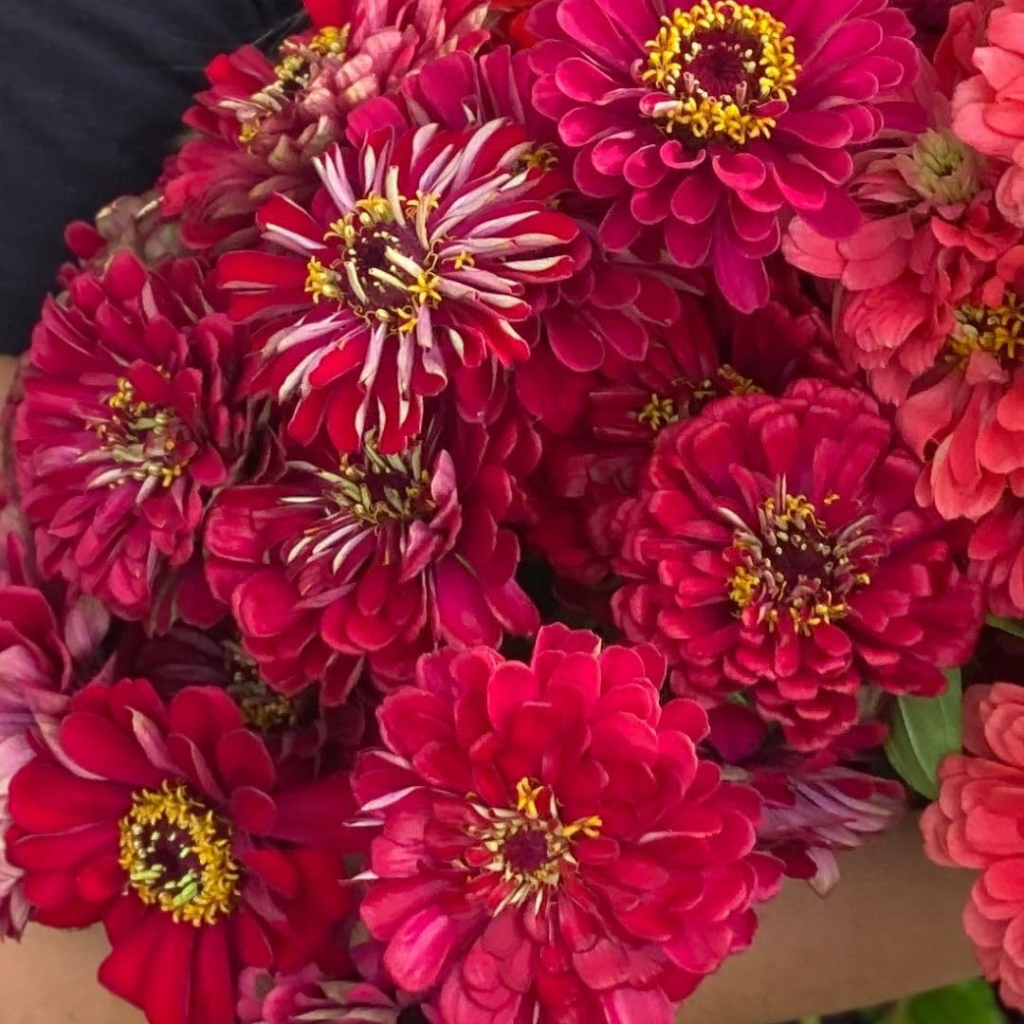
California Giant Mix: This mix features a riot of colors, including pink, yellow, orange, and purple, with large, dahlia-like blooms that are perfect for attracting butterflies and other pollinators to your garden.

Cactus Flower Mix: With its unique, spiky petals and vibrant colors, the Cactus Flower mix adds an exotic flair to any garden. Colors range from soft pastels to bold, eye-catching hues.
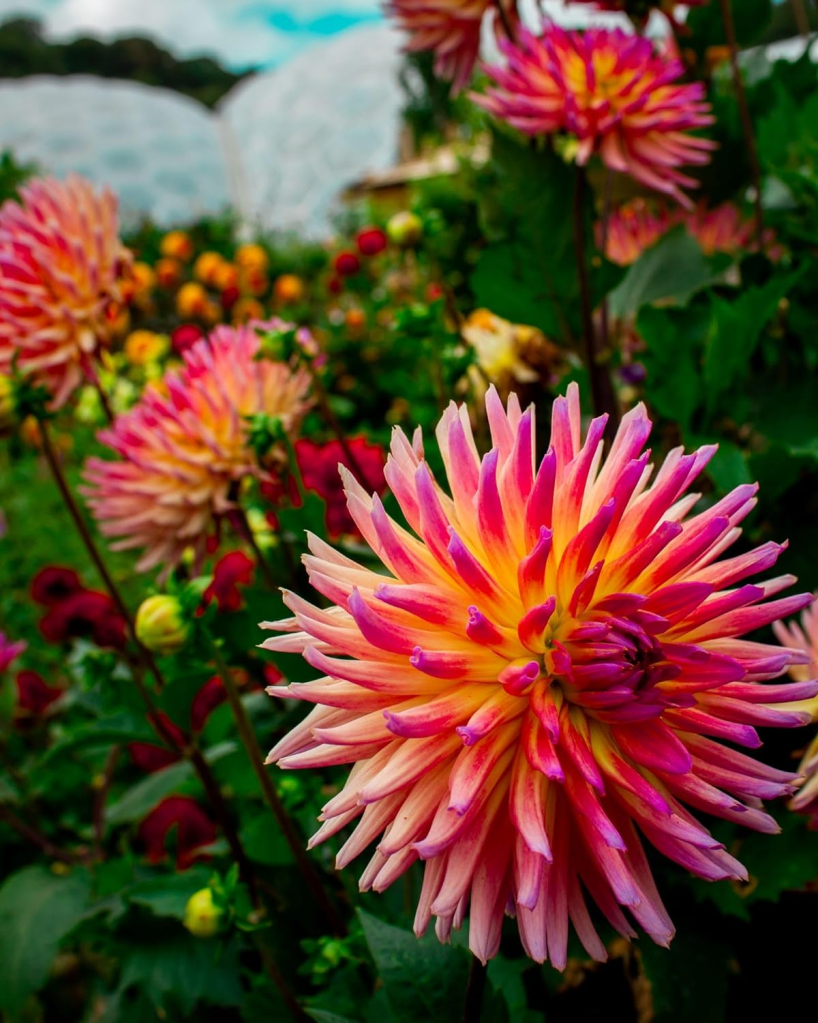
Cut and Come Again Mix: As the name suggests, this mix of zinnias produces abundant blooms that are perfect for cutting, and the plants will continue to produce flowers throughout the growing season.
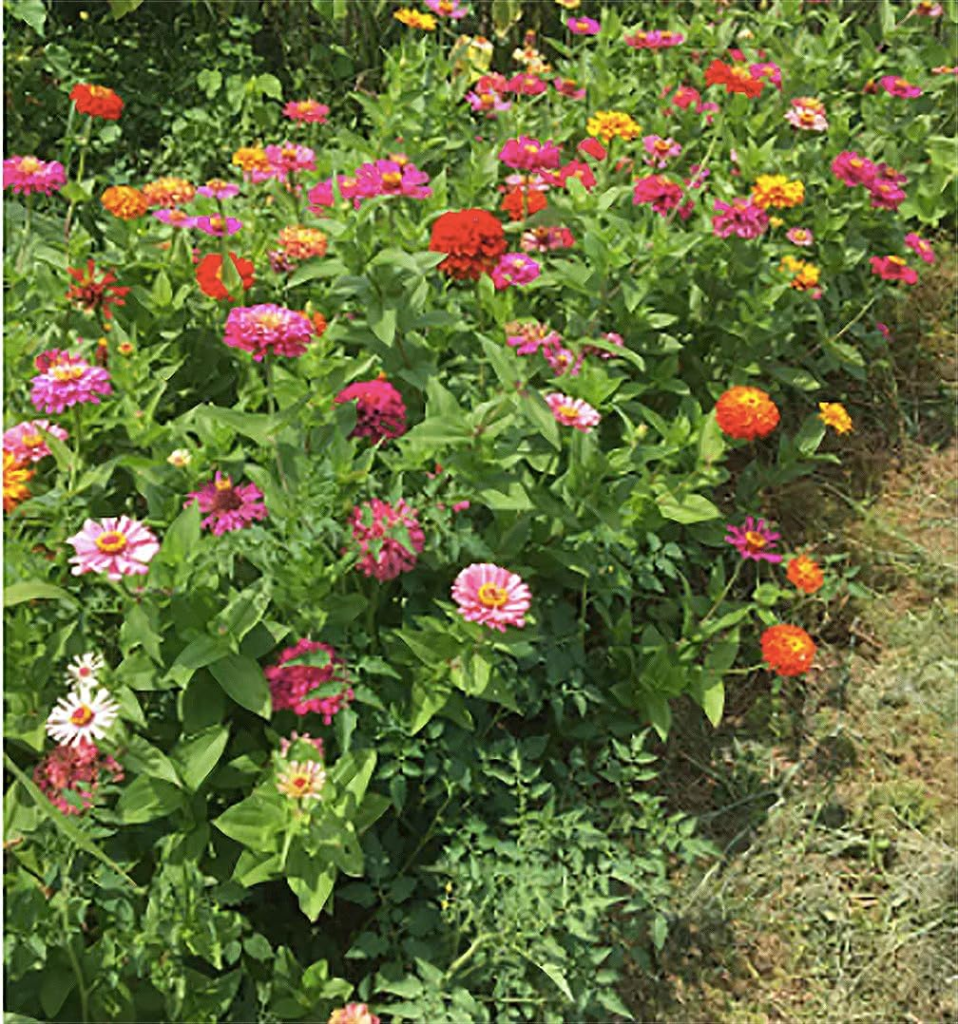
Dreamland Series: Ideal for borders and containers, the Dreamland series offers compact plants with large, fully double blooms in a range of colors, including pink, coral, and yellow.
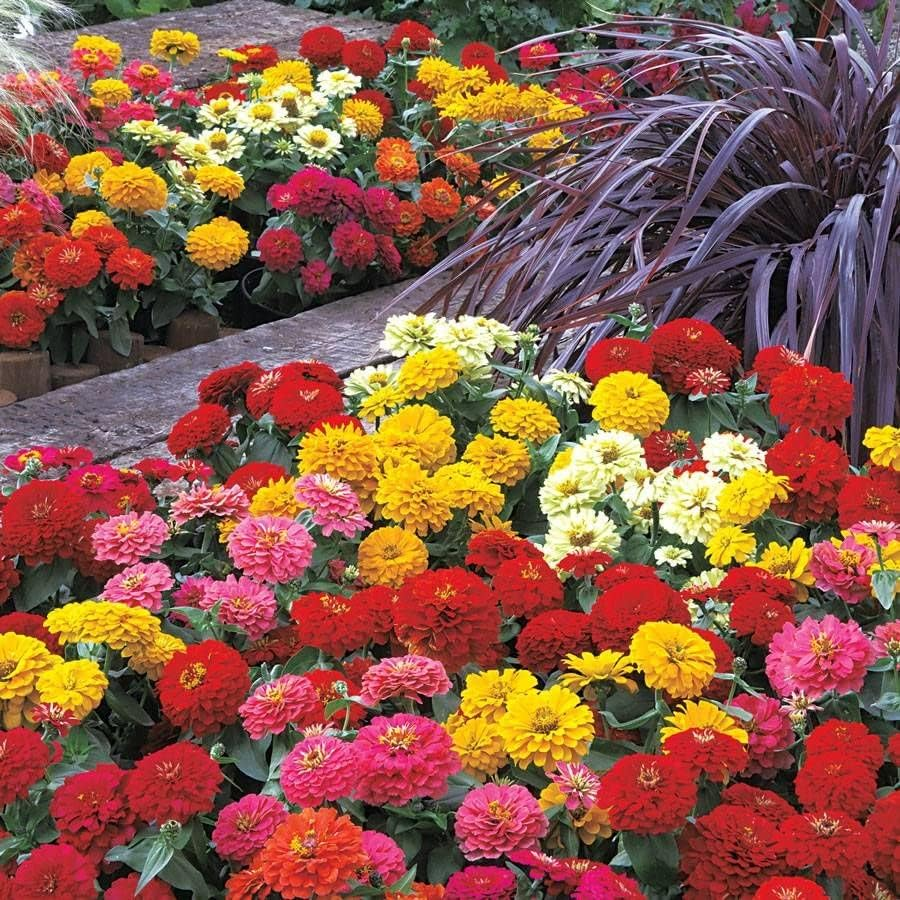
Lilliput Mix: If you’re short on space, consider planting the Lilliput mix, which features small, pom-pom-like blooms in a variety of bright colors, including red, purple, and orange.
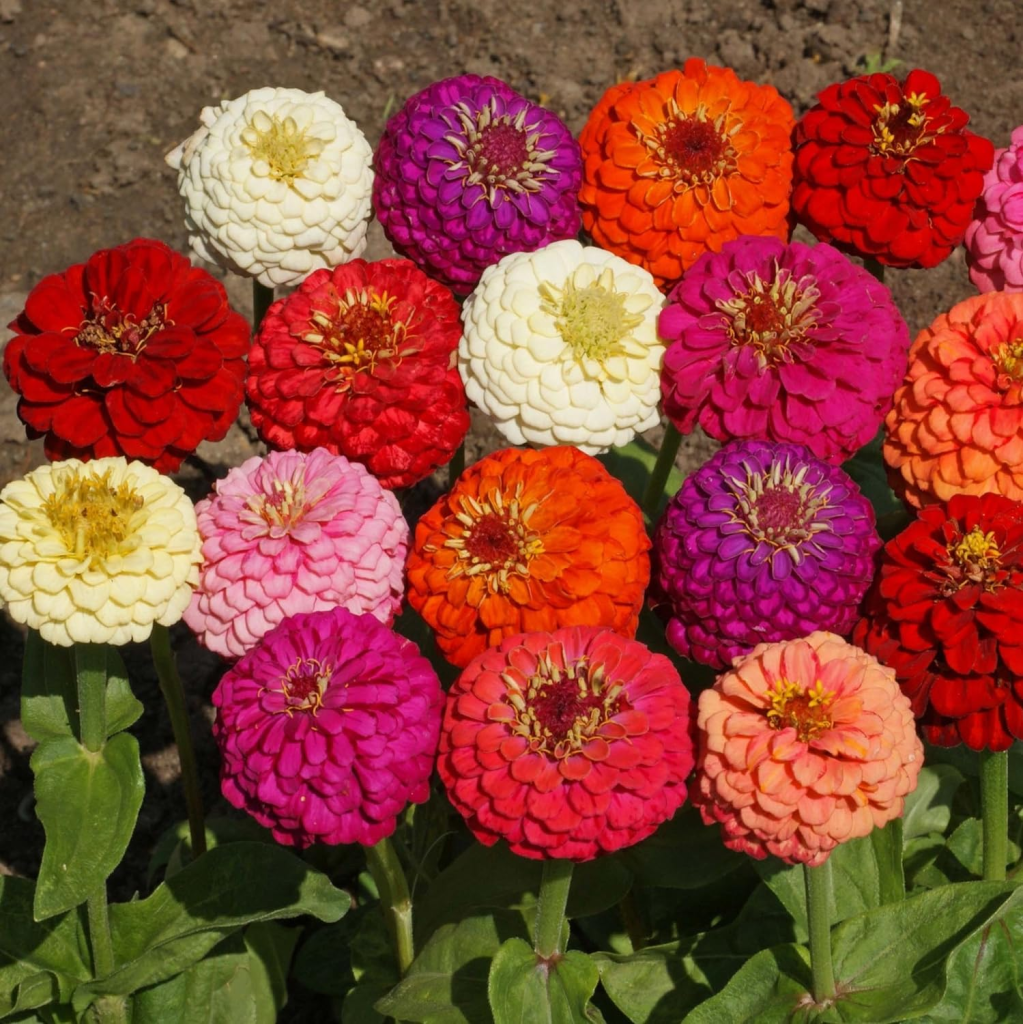
Magellan Series: With its sturdy, compact plants and large, dahlia-like blooms, the Magellan series is perfect for adding a splash of color to beds, borders, and containers.
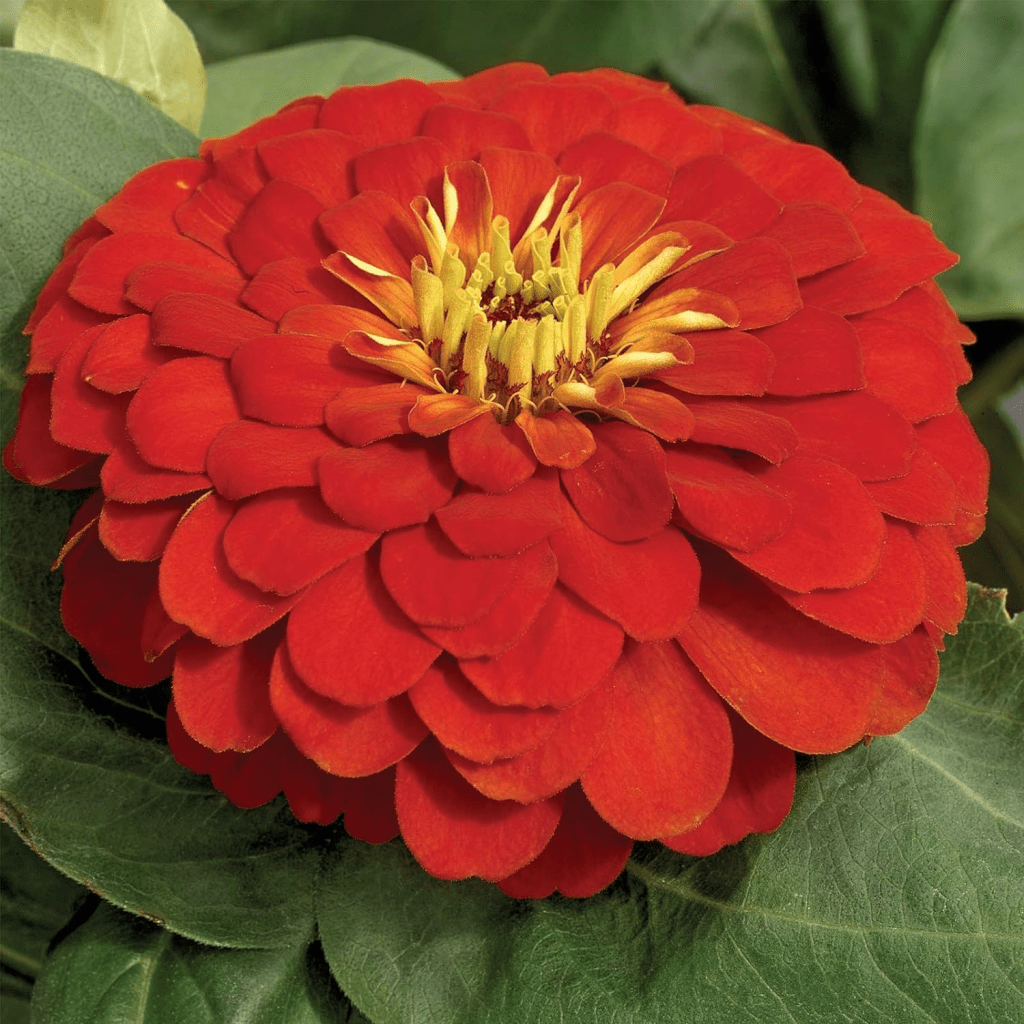
Queen Lime Series: This unique series features blooms with lime green centers and soft pink or purple edges, creating a stunning two-tone effect that is sure to impress.
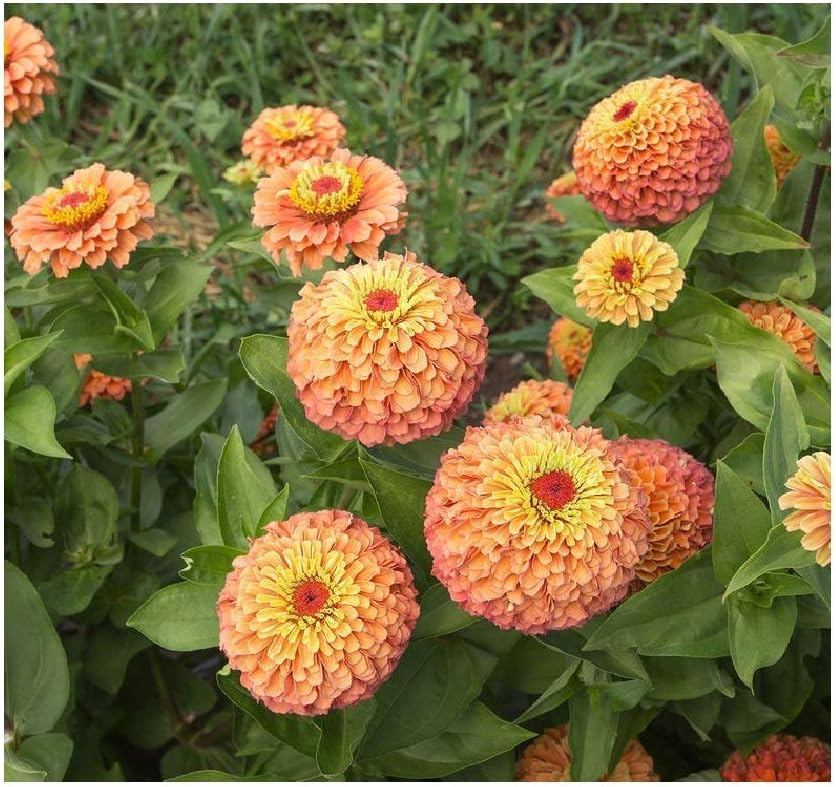
State Fair Mix: Named for its large, showy blooms, the State Fair mix offers a diverse range of colors, including red, pink, purple, and yellow, reminiscent of a summer carnival.

Zahara Series: With its disease-resistant foliage and vibrant, long-lasting blooms, the Zahara series is a favorite among gardeners looking for low-maintenance zinnias. Colors include orange, yellow, and cherry.
You May Also Like

 Decoding Biosphere