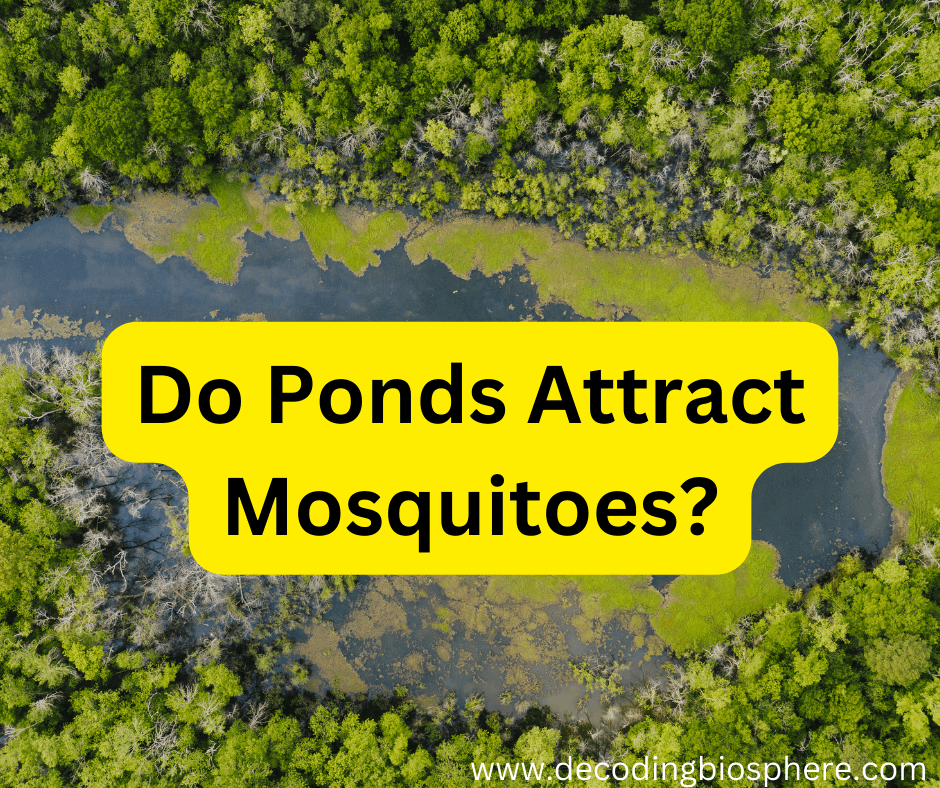
When it comes to discussing mosquito habitats, ponds often find themselves at the center of attention. Many people believe that ponds are breeding grounds for mosquitoes, leading to misconceptions about their role in attracting these pesky insects. In this article, we will explore the truth behind the claim that ponds attract mosquitoes and gain a deeper understanding of mosquito habitats.
- Mosquito Breeding Habitats: To understand the connection between ponds and mosquitoes, it is essential to examine the preferred breeding habitats of these insects. Female mosquitoes require standing water to lay their eggs, as the larvae develop in water before emerging as adults. However, not all standing water sources are equally attractive to mosquitoes.
- Factors Affecting Mosquito Breeding: Mosquitoes are selective about their breeding habitats, and several factors influence their choices. These factors include temperature, availability of nutrients, presence of predators, and the type of water source. While mosquitoes do require standing water, not all bodies of water are suitable for their breeding.
- Pond Characteristics: Ponds come in various sizes, depths, and levels of water circulation. These characteristics play a significant role in determining whether a pond is attractive to mosquitoes or not. Mosquitoes prefer still or stagnant water, which allows them to lay their eggs undisturbed. Ponds with a high turnover rate, such as those with fountains or running water, are less likely to be suitable breeding grounds for mosquitoes.
- Vegetation and Habitat Diversity: The presence of vegetation and habitat diversity around ponds can also influence mosquito populations. Vegetation provides shade and cover, reducing the availability of sunlight, which mosquito larvae require for development. Additionally, certain plant species, such as those with insect-repelling properties, can deter mosquitoes from laying eggs in the vicinity.
- Natural Predators: Ponds that support a diverse range of organisms can contribute to natural mosquito control. Many predators, such as dragonflies, fish, and aquatic insects, feed on mosquito larvae and adults. When ponds have a healthy predator-prey balance, the mosquito population can be effectively regulated.
- Human Factors: Human activities and maintenance practices surrounding ponds can influence mosquito populations. For example, if ponds are improperly maintained and become stagnant, they can become ideal breeding grounds for mosquitoes. Additionally, leaving stagnant water in containers, such as buckets or discarded tires, can attract mosquitoes and contribute to local infestations.
- Overall Impact: While it is true that some species of mosquitoes may breed in ponds under certain conditions, it is important to note that mosquitoes can find breeding sites in a variety of other water sources as well. These can include puddles, ditches, artificial containers, and even small amounts of water accumulated in outdoor items like flowerpots or bird baths. It is not accurate to solely attribute mosquito presence to the existence of ponds.
- Mosquito Control: To effectively control mosquito populations, it is crucial to adopt comprehensive mosquito control strategies that target multiple habitats. These strategies may include eliminating stagnant water sources, implementing biological control methods (such as introducing mosquito-eating fish), and using larvicides in appropriate situations.
In conclusion, while ponds can provide suitable conditions for mosquito breeding under specific circumstances, they do not inherently attract mosquitoes. The presence of standing water alone does not guarantee mosquito infestation. Understanding the factors that contribute to mosquito breeding and implementing appropriate mosquito control measures can help mitigate mosquito populations and reduce the risk of mosquito-borne diseases.
-
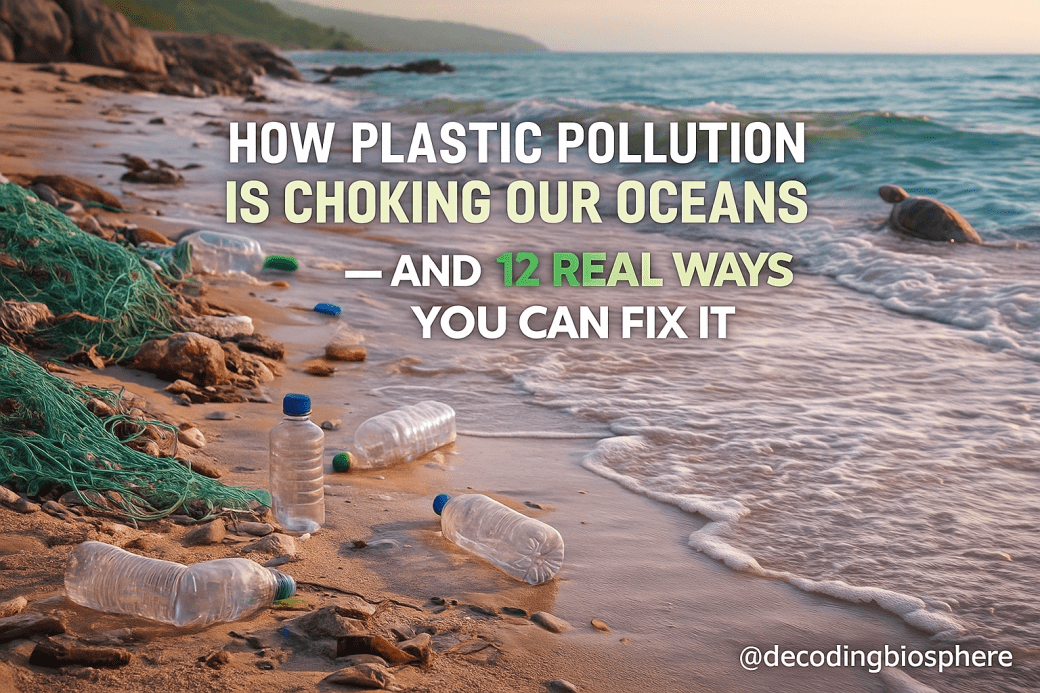
How Plastic Pollution Is Choking Our Oceans And 12 Real Ways You Can Fix It
Plastic pollution is everywhere- from coastlines to food. Learn how plastics harm ecosystems and human health, the latest science, and 12 practical solutions you can start today. Includes infographic & image prompts.
-
2025 Outlook: Top Global Trends Shaping the Future of Tech, Lifestyle, Sustainability and Culture
Explore the most trending global topics of the year including AI, sustainability, future of work, mental well-being, innovation, culture, and future predictions for 2025.
-
10 Eco-Friendly Gift Ideas for People Who Care About the Planet
Discover 10 eco-friendly gifts that combine style, function, and sustainability. Perfect ideas for conscious shoppers — all available on Amazon.

 Decoding Biosphere