Cashmere, often called “soft gold,” is one of the most luxurious and sought-after fibers in the world. Known for its incredibly soft texture and lightweight warmth, cashmere has been a favorite in the fashion industry for centuries. But what exactly is cashmere, and what makes it so special? In this article, we’ll explore the origins of cashmere, its pros and cons, and the sustainability concerns surrounding its production.
What Is Cashmere?
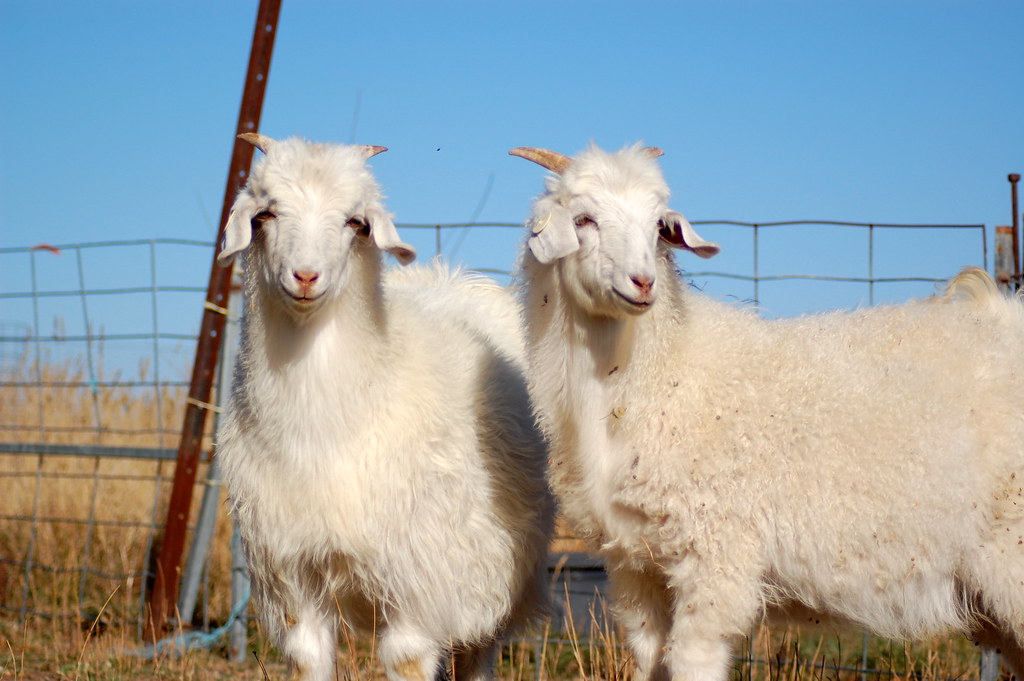
Cashmere is a type of wool obtained from the undercoat of cashmere goats. These goats are primarily found in the mountainous regions of Asia, including Mongolia, China, India, and Nepal. The harsh climates in these areas cause the goats to develop a soft, insulating undercoat beneath their coarse outer hair, which helps them survive freezing temperatures.
The process of collecting cashmere is labor-intensive. In the spring, when the goats naturally shed their winter coat, herders carefully comb the goats to collect the fine, soft undercoat fibers. It takes the fleece of about four to six goats to produce just one sweater, which explains why cashmere garments are so expensive.
The Pros of Cashmere
- Softness and Comfort: One of the most notable features of cashmere is its incredible softness. Unlike other types of wool, cashmere fibers are finer and smoother, making them feel gentle against the skin. This softness is what makes cashmere so luxurious and comfortable to wear.
- Warmth Without Weight: Cashmere is known for being exceptionally warm, even though it’s lightweight. The natural insulation provided by cashmere fibers is up to three times greater than that of sheep’s wool, making it ideal for cold weather clothing.
- Durability: High-quality cashmere is durable and long-lasting. When properly cared for, cashmere garments can last for many years without losing their softness or warmth.
- Breathability: Despite its warmth, cashmere is also breathable, allowing air to circulate and preventing overheating. This makes it comfortable to wear indoors or during transitional weather.
- Timeless Elegance: Cashmere is often associated with luxury and sophistication. Whether it’s a cashmere sweater, scarf, or blanket, these items are timeless and never go out of style.
The Cons of Cashmere
- High Cost: One of the biggest drawbacks of cashmere is its price. Cashmere is one of the most expensive types of wool, and the cost of cashmere garments can be prohibitive for many people. The high price is due to the labor-intensive process of collecting the fibers and the limited supply of cashmere.
- Delicate Nature: Cashmere is a delicate fabric that requires special care. It can easily stretch, pill, or become damaged if not handled properly. Cashmere garments should be hand-washed or dry-cleaned, and they must be stored carefully to avoid damage.
- Pilling: Pilling occurs when short fibers in the fabric become tangled and form small balls on the surface of the garment. While pilling is common in all wool products, it can be particularly noticeable in cashmere. Regularly using a fabric shaver or gently handwashing can help reduce pilling.
- Limited Availability: Since cashmere is sourced from specific regions and requires a lengthy collection process, it is not as widely available as other types of wool. This limited availability also contributes to its high cost.
- Sustainability Concerns: The production of cashmere has raised significant sustainability concerns, which we’ll explore in more detail below.
Sustainability Concerns with Cashmere
The increasing demand for cashmere has led to a number of environmental and ethical issues. As more people seek out this luxurious fabric, the pressure on cashmere-producing regions has grown, leading to overgrazing, land degradation, and animal welfare concerns.
- Overgrazing and Land Degradation: The rising global demand for cashmere has prompted an increase in the number of cashmere goats, particularly in Mongolia and China. This surge in goat populations has led to overgrazing, where too many animals graze on the same land, stripping it of vegetation. This overgrazing has caused severe land degradation, turning once fertile grasslands into deserts. The loss of vegetation not only threatens the livelihoods of herders but also disrupts local ecosystems, contributing to soil erosion and reduced biodiversity.
- Animal Welfare: The welfare of cashmere goats is another concern in the cashmere industry. In some regions, goats may be subjected to harsh conditions, inadequate shelter, and rough handling during the combing process. While many herders treat their animals with care, there is still a lack of regulation and oversight in some areas, leading to concerns about the ethical treatment of the goats.
- Carbon Footprint: The production and transportation of cashmere have a significant carbon footprint. Cashmere is often transported long distances from remote regions to global markets, contributing to greenhouse gas emissions. Additionally, the processing of cashmere, which involves cleaning, dyeing, and spinning, can also have environmental impacts.
- Social and Economic Impact: The cashmere industry is a vital source of income for many herders in Mongolia, China, and other cashmere-producing regions. However, the growing demand for cashmere has also led to economic challenges. As more herders increase their goat populations to meet demand, the resulting overgrazing and land degradation threaten their long-term livelihoods. Additionally, fluctuations in cashmere prices can create economic instability for these communities.
Moving Towards Sustainable Cashmere
Given the sustainability challenges associated with cashmere, many consumers and brands are seeking more ethical and environmentally friendly options. Here are some ways to make cashmere more sustainable:
- Ethical Sourcing: When purchasing cashmere, look for brands that are committed to ethical sourcing practices. Some companies work directly with herders to ensure fair wages and humane treatment of animals. Others support initiatives aimed at restoring degraded grasslands and promoting sustainable grazing practices.
- Recycled Cashmere: Another option is to choose garments made from recycled cashmere. Recycled cashmere is produced by collecting and reprocessing old cashmere garments, reducing the need for new raw materials. This approach helps minimize waste and reduces the environmental impact of cashmere production.
- Responsible Consumption: One of the most effective ways to reduce the environmental impact of cashmere is to practice responsible consumption. Instead of buying multiple cashmere items, consider investing in a few high-quality pieces that will last for years. Proper care and maintenance of cashmere garments can also extend their lifespan, reducing the need for frequent replacements.
- Supporting Sustainable Brands: Many fashion brands are now focused on sustainability, offering cashmere products that are produced in an environmentally friendly manner. These brands often prioritize transparency, allowing consumers to trace the origins of their cashmere and ensure that it was produced ethically.

 Decoding Biosphere