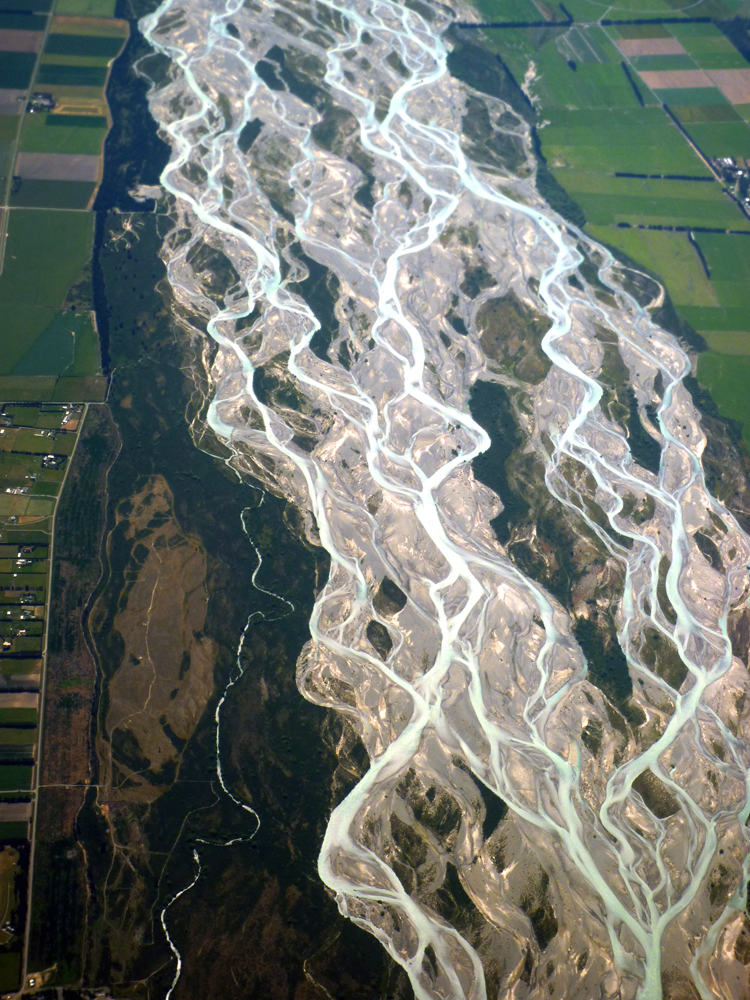
Nature has shaped the Earth’s landscapes in fascinating ways. One of these amazing features is called a braided river. A braided river is a beautiful and constantly-changing natural wonder that has many channels that intertwine across wide areas. In this article, find more about the braided rivers, talking about how they are formed, what makes them special, and why they are important for the environment.
What is a Braided River?
A braided river is a type of river system characterized by multiple interconnected channels that divide and reunite, resembling the braids of a complex hairdo. Unlike single-thread rivers with a single channel, braided rivers display a distinctive pattern of interwoven strands that constantly shift and evolve over time. These rivers typically occur in regions with high sediment loads, steep slopes, and variable flow rates.
Formation and Structure:
Braided rivers originate from various sources, including glacier meltwater, precipitation, and spring discharges. The key factor influencing their formation is the high sediment supply. When a river carries a significant amount of sediment, it tends to deposit it in its channel, leading to the development of multiple channels and islands.
The structure of a braided river is dynamic and ever-changing. During periods of high water flow, the river channels spread out and divide into numerous smaller channels, creating a braided appearance. These channels are often shallow and tend to shift and migrate due to changes in water volume, sediment transport, and erosion.
Unique Features and Characteristics:
One of the defining features of braided rivers is their extensive network of interconnected channels and islands. These channels can vary in width and depth, ranging from narrow, shallow streams to wider and deeper channels. Islands or bars form in between the channels, composed of sediment that gets deposited during periods of low water flow.
Braided rivers are known for their constantly changing nature. The channels can shift and rearrange, merging or splitting apart in response to alterations in water flow and sediment transport. This dynamic behavior makes braided rivers highly adaptable to environmental changes.
Ecological Significance:
Braided rivers are ecologically significant ecosystems that support a diverse range of plant and animal species. The shifting channels and islands create a mosaic of habitats, including gravel bars, sandbanks, and vegetated islands. These diverse habitats provide niches for various organisms, such as fish, birds, amphibians, and invertebrates.
The river channels serve as important spawning grounds for fish species, while the gravel and sand substrates provide breeding habitats for invertebrates. The vegetation on the islands and banks offers nesting sites for birds and shelters for small mammals.
Human Interactions and Management:
Braided rivers have been historically utilized for various human activities, including irrigation, navigation, and hydropower generation. However, managing these complex river systems requires careful consideration of their dynamic nature and ecological importance.
Efforts are being made to balance human needs with the preservation of braided river ecosystems. River management strategies focus on maintaining natural flow patterns, controlling sedimentation, and preserving key habitats for wildlife. These approaches aim to sustain the ecological integrity of braided rivers while meeting human demands in a sustainable manner.
- How Plastic Pollution Is Choking Our Oceans And 12 Real Ways You Can Fix It

- 2025 Outlook: Top Global Trends Shaping the Future of Tech, Lifestyle, Sustainability and Culture

- 10 Eco-Friendly Gift Ideas for People Who Care About the Planet

- Audiobooks vs E-books: Which Is More Eco-Friendly?

- Why Audiobooks Are the Most Sustainable Way to Learn


 Decoding Biosphere