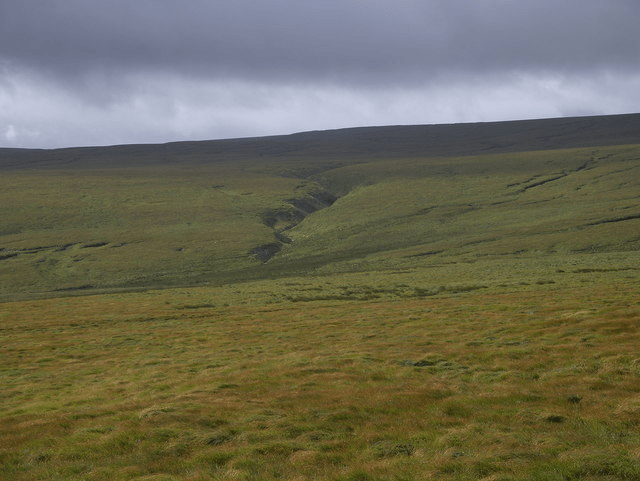
Nature is a really interesting mix of different ecosystems, each with their own unique story. One type of landscape that’s especially fascinating is called a “blanket bog.” These are like large, cozy blankets that you can find in many different places around the world. Although the name might not be familiar to you, blanket bogs are actually very important for our environment and have a lot of amazing things to discover. So, let’s jump into the world of blanket bogs and uncover their secrets.
What is a Blanket Bog?
A blanket bog is a type of wetland characterized by a thick layer of peat, a unique soil made up of partially decomposed plant matter. It is typically found in cool, damp regions with high rainfall, such as certain parts of Europe, North America, and Asia. Blanket bogs get their name from the way they spread across the landscape like a cozy blanket, covering vast areas of low-lying terrain.
Formation and Structure:
The formation of a blanket bog is a slow and intricate process that takes thousands of years. It begins with the accumulation of dead plant material, such as mosses, grasses, and shrubs, in waterlogged conditions. Over time, the lack of oxygen in these waterlogged areas slows down decomposition, leading to the accumulation of peat.
Layers upon layers of decaying organic matter build up, forming a sponge-like structure known as the peatland. The uppermost layer, called the acrotelm, is the living part of the bog where plants actively grow. Below it lies the catotelm, a deeper layer consisting of saturated and partially decomposed peat.
Unique Features and Biodiversity:
Blanket bogs are known for their distinct features, which make them remarkable habitats for various plants and animals. One of their defining characteristics is their ability to retain water like a sponge. This quality helps regulate water flow, preventing flooding downstream and releasing water slowly during drier periods.
The plant life found in blanket bogs is specially adapted to survive in these waterlogged conditions. Mosses, heathers, cotton grass, and Sphagnum moss are common species that thrive in the acidic and nutrient-poor environment. These plants help maintain the bog’s structure by trapping water and promoting the growth of more peat.
Moreover, blanket bogs are home to a diverse range of wildlife. Birds like curlews, red grouse, and golden plovers nest among the heathers, while insect species like dragonflies and damselflies hover over the bog pools. Rare and endangered species like the bog rosemary and the carnivorous sundew plant can also be found in these unique habitats.
Environmental Importance:
Beyond their aesthetic beauty and ecological richness, blanket bogs serve essential roles in the environment. They act as carbon sinks, storing vast amounts of carbon dioxide and helping mitigate climate change. Additionally, they play a crucial role in regulating water quality and reducing flood risk by absorbing and filtering rainwater.
Global Distribution
- Northern Hemisphere: Blanket bogs are found extensively throughout the northern hemisphere. Well-studied examples exist in Ireland and Scotland.
- North America: Vast areas of North American tundra also qualify as blanket bogs.
- Southern Hemisphere: While less well-developed due to lower latitudes, similar environments are reported in places like Patagonia, the Falkland Islands, and New Zealand.
- Subantarctic Macquarie Island: Here, the blanket bogs known as ‘featherbeds’ occur on raised marine terraces. They can be up to 5 meters deep, tremble when walked on, and are hazardous to cross.
Importance and Challenges
- Peat Harvesting: Peat is used as a fossil fuel for electricity generation or domestic heating. In Ireland, for instance, the state-owned company Bord na Móna harvests peat for electricity production.
- Conservation: Understanding the ecological importance of blanket bogs is crucial for their conservation and sustainable management.
References
MCQs on Blanket Bog
- What is a blanket bog?
- a) A type of desert landscape
- b) A wetland characterized by a layer of peat
- c) A mountain range covered in snow
- d) A coastal ecosystem with sandy beaches
- What is peat?
- a) A type of rock formation
- b) A layer of volcanic ash
- c) Partially decomposed plant matter
- d) A type of clay soil
- Which environmental conditions are favorable for the formation of blanket bogs?
- a) High temperatures and low humidity
- b) Arid and dry regions
- c) Cool, damp areas with high rainfall
- d) Coastal regions with strong winds
- What is the uppermost layer of a blanket bog called?
- a) Acrotelm
- b) Catotelm
- c) Bedrock
- d) Subsoil
- Which of the following plants is commonly found in blanket bogs?
- a) Cacti
- b) Sunflowers
- c) Sphagnum moss
- d) Oak trees
- What role do blanket bogs play in regulating water flow?
- a) They release water quickly, causing floods.
- b) They prevent water accumulation and promote drought.
- c) They act as reservoirs, storing water during dry periods.
- d) They have no impact on water flow.
- How do blanket bogs contribute to carbon storage?
- a) They emit large amounts of carbon dioxide.
- b) They absorb carbon dioxide from the atmosphere.
- c) They have no effect on carbon levels.
- d) They release carbon dioxide into the soil.
- What is one conservation measure for blanket bogs?
- a) Increasing drainage to prevent waterlogging
- b) Encouraging wildfires to clear the vegetation
- c) Restoring degraded peatlands
- d) Introducing non-native plant species
Answers:
- b) A wetland characterized by a layer of peat
- c) Partially decomposed plant matter
- c) Cool, damp areas with high rainfall
- a) Acrotelm
- c) Sphagnum moss
- c) They act as reservoirs, storing water during dry periods.
- b) They absorb carbon dioxide from the atmosphere.
- c) Restoring degraded peatlands

 Decoding Biosphere