The plight of rhinos, iconic creatures that have roamed the Earth for millions of years, has garnered significant attention in recent decades due to the alarming decline in their populations. Poaching, habitat loss, and other human-induced factors have pushed several rhino species to the brink of extinction. As we enter the year 2023, it is essential to take a comprehensive look at the current status of rhino populations worldwide and the efforts being made to conserve these magnificent creatures.
Rhino Species: An Overview
Rhinos belong to the family Rhinocerotidae, and historically, there were five distinct species spread across various continents. These species include the White Rhino, Black Rhino, Indian Rhino, Sumatran Rhino, and Javan Rhino. Unfortunately, three of these species—the Black Rhino, Sumatran Rhino, and Javan Rhino—are critically endangered, with only a few individuals remaining in the wild.
The Devastating Impact of Poaching
The most significant threat to rhino populations is illegal poaching driven by the demand for their horns. Rhino horns are falsely believed to possess medicinal properties and are considered status symbols in some cultures. This demand has fueled a lucrative black market trade, driving poachers to kill rhinos for their horns. This practice has caused catastrophic declines in rhino numbers.
Current Rhino Population Estimates
As of 2023, the global rhino population remains critically low, with all five species facing various degrees of endangerment. To provide an overview of the current situation, let’s look into the status of each species:
1. White Rhinos
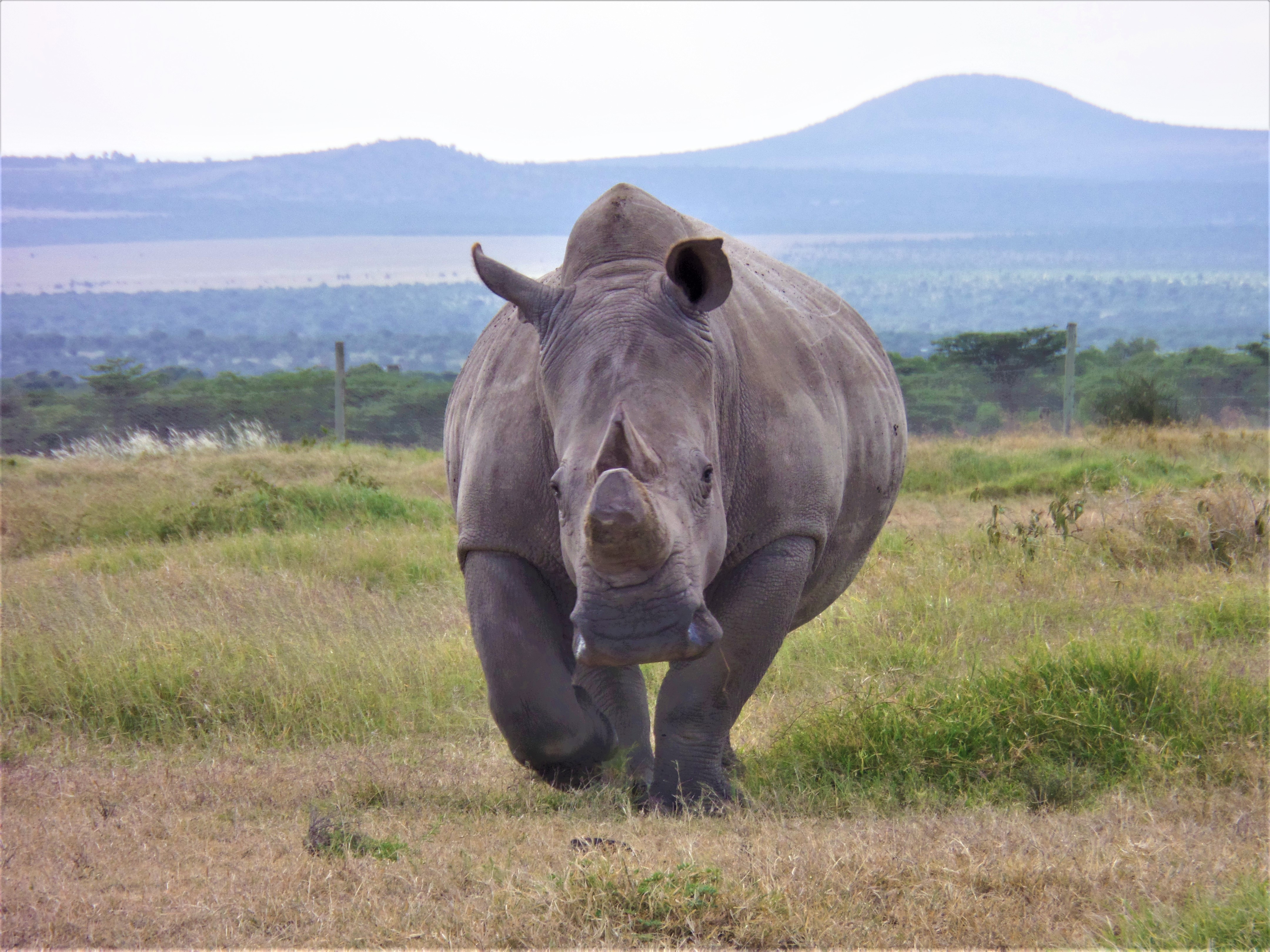
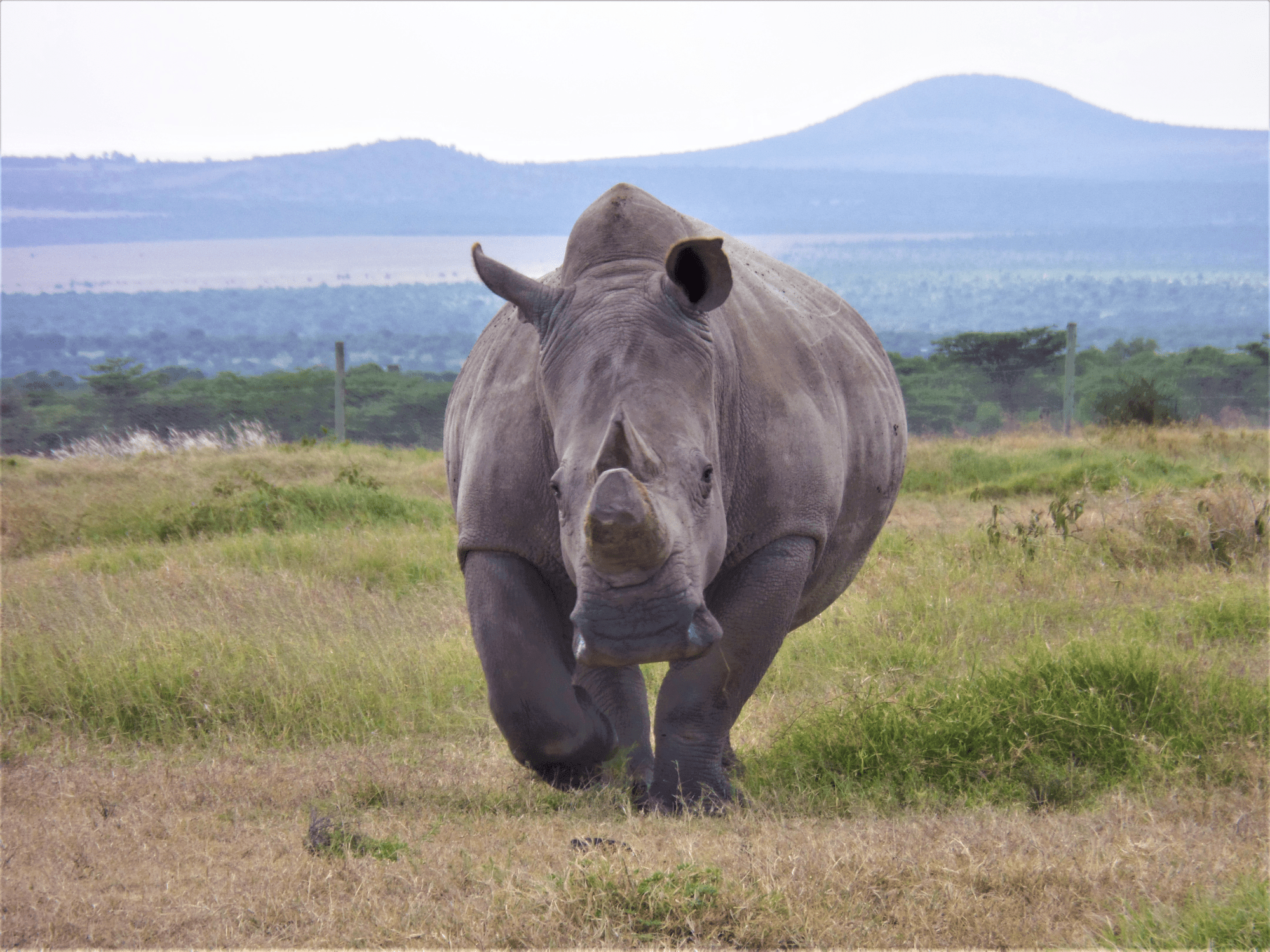
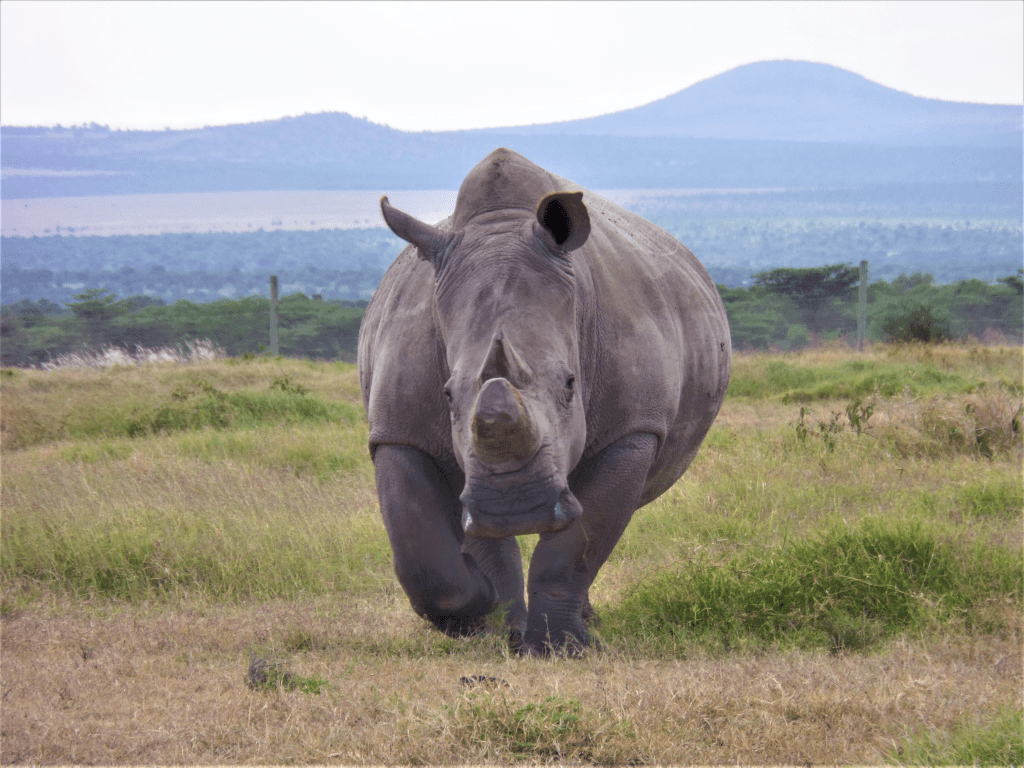
- Northern White Rhino: The northern white rhino is on the brink of extinction, with only two individuals remaining: both are females named Najin and Fatu. They reside in Ol Pejeta Conservancy in Kenya, where conservationists are attempting to save the species through assisted reproduction techniques.
- Southern White Rhino: The southern white rhino, which is more numerous, has shown more promising numbers. With conservation efforts, the population has increased to around 18,000 individuals, primarily found in protected areas in southern Africa.
2. Black Rhinos
Black rhinos have faced severe declines due to poaching, and their populations are divided into eastern and southern subspecies:
- Eastern Black Rhino: With around 700 individuals left, the eastern black rhino is classified as critically endangered. Conservation efforts have led to slight population increases, but this subspecies remains at high risk.
- Southern Black Rhino: The southern black rhino fares slightly better, with a population of around 2,000 individuals. While this is a more positive outlook, continued protection and anti-poaching measures are crucial for their survival.

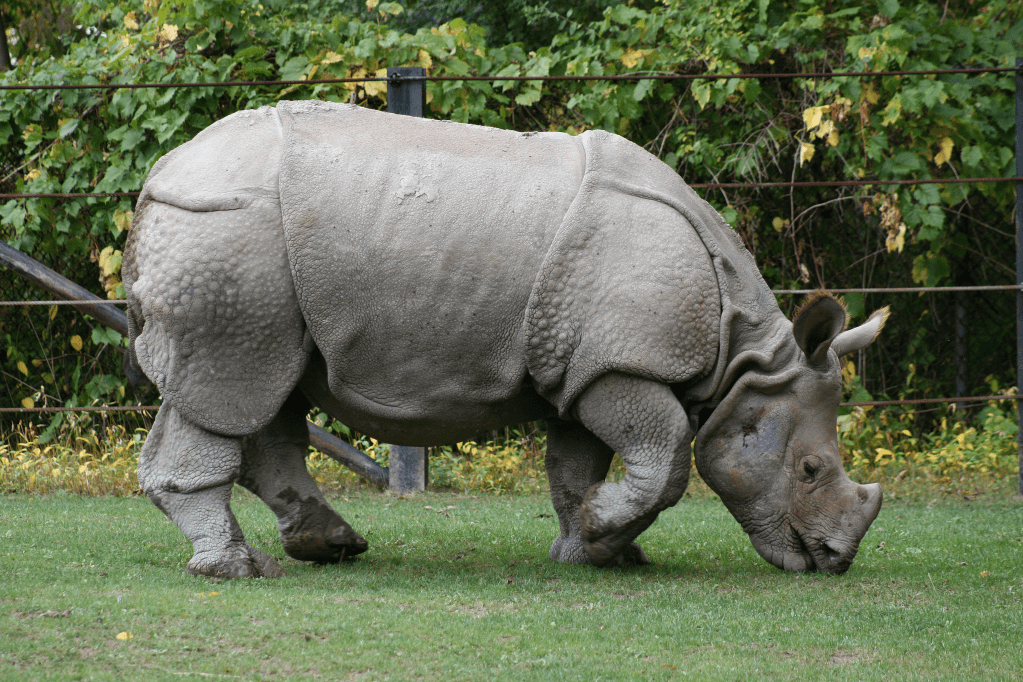
3. Indian Rhino
The Indian rhino, also known as the greater one-horned rhino, has shown a more stable population trend:
- Indian Rhino: With conservation efforts and protected areas, the Indian rhino population has increased to approximately 3,500 individuals. However, habitat loss and human-wildlife conflicts remain ongoing concerns.
4. Sumatran Rhino
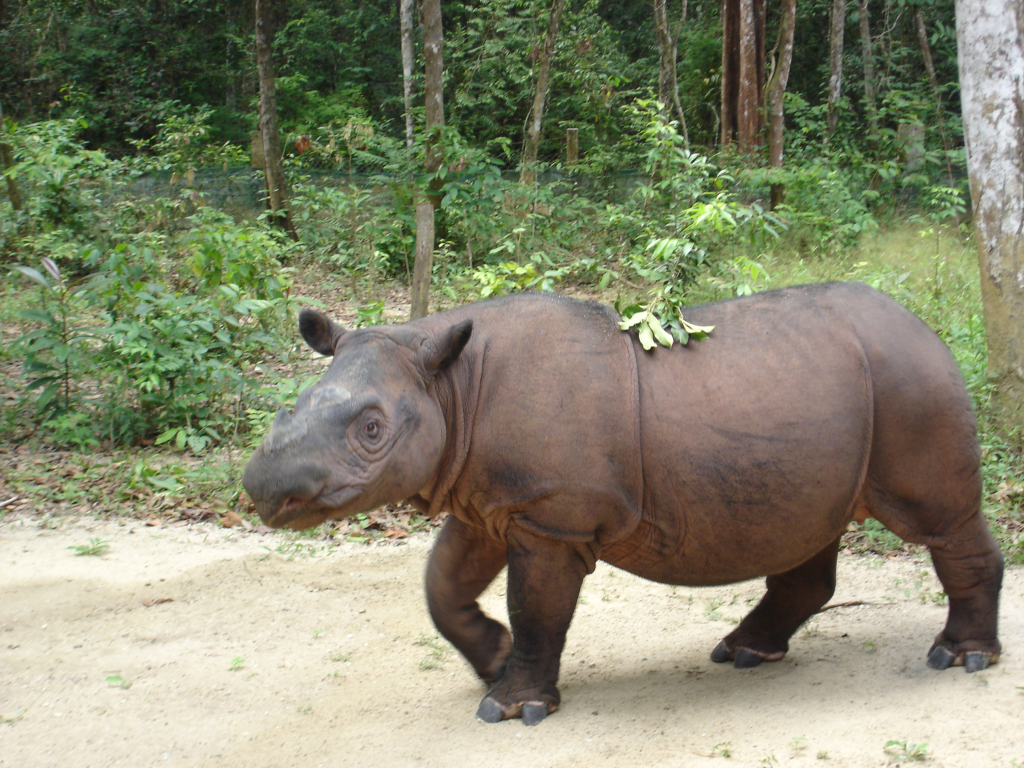
The Sumatran rhino is one of the most endangered rhino species, with a very low population count:
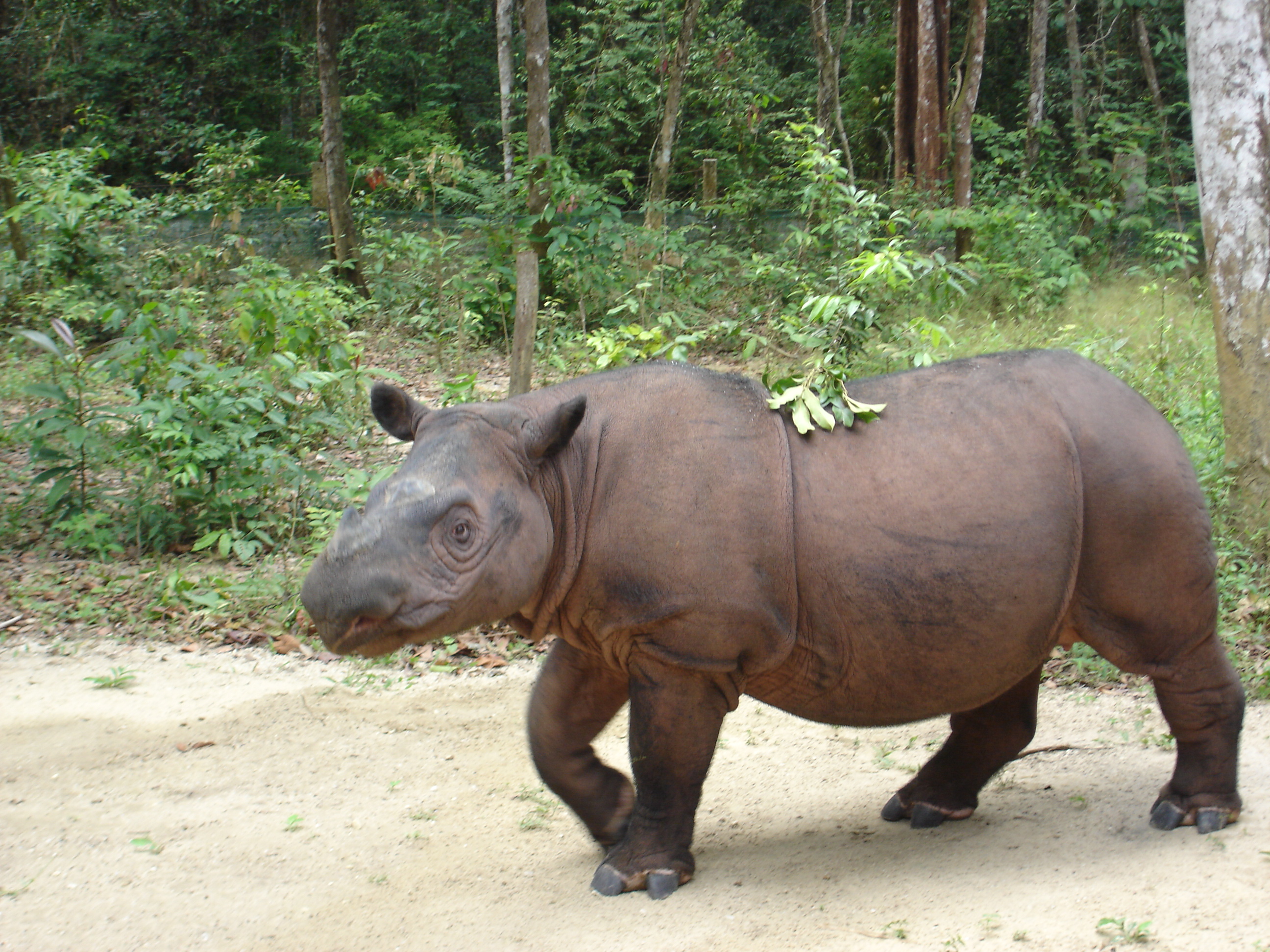
- Sumatran Rhino: This species is critically endangered, with estimates suggesting that only around 80 individuals remain in the wild. Their fragmented populations are primarily found in Indonesia and Malaysia.
5. Javan Rhino
The Javan rhino is the rarest of all rhino species, with an incredibly small population:
- Javan Rhino: The Javan rhino is critically endangered, with only around 70 individuals remaining. They inhabit a single national park in Indonesia and are highly vulnerable due to their limited habitat and small population size.

Conservation Efforts and Hope for the Future
Despite the grim outlook for many rhino species, there are dedicated conservationists, organizations, and governments working tirelessly to protect these majestic creatures:
- Anti-Poaching Efforts: Many conservation initiatives focus on anti-poaching efforts, including strengthening law enforcement, using technology such as drones and cameras, and collaborating with local communities to curb poaching.
- Habitat Protection: Creating and maintaining protected areas is vital for the survival of rhinos. These areas provide safe havens where rhinos can roam freely without the threat of poaching.
- Community Involvement: Engaging local communities in conservation efforts is crucial. When communities understand the value of rhinos and the economic benefits of ecotourism, they become active partners in protecting these animals.
- Assisted Reproduction: For species with critically low populations, such as the northern white rhino, assisted reproduction techniques offer a glimmer of hope. Scientists are working to develop methods like in vitro fertilization (IVF) to save these species from extinction.
- Translocation and Reintroduction: Some successful translocation and reintroduction projects have moved rhinos to safer areas or reintroduced them to their historical ranges. These efforts help establish new populations and increase genetic diversity.
Conclusion: A Call for Urgent Action
The question “How many rhinos are left in the world in 2023?” is a reminder of the urgent need for conservation action. While there have been notable successes and improvements in some rhino populations, the overall picture remains grim for many species. Immediate and sustained efforts are required to combat poaching, protect habitats, and involve local communities in conservation.
Conserving rhinos is not just about preserving a single species; it’s about safeguarding biodiversity, ecosystems, and the delicate balance of our planet’s natural world. As we move forward into 2023 and beyond, the fate of rhinos is a powerful reminder of our responsibility to protect and preserve the incredible diversity of life on Earth. The time to act is now, before it’s too late.
Note: All images are taken from Wikimedia Commons
You May Also Like

 Decoding Biosphere