
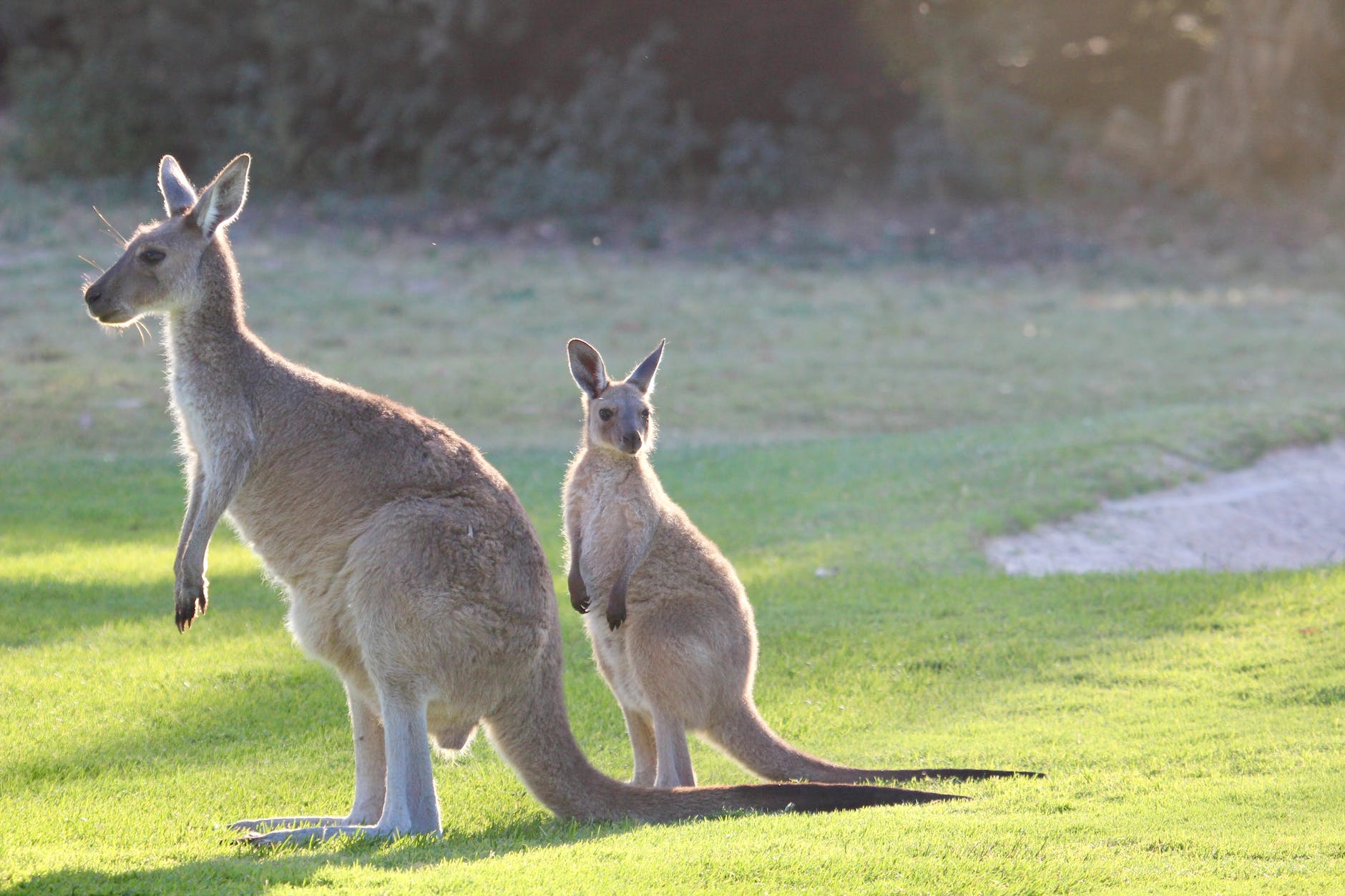
Kangaroos are special animals that are known for their interesting traits and behavior. They can only be found in Australia and have some very unique features that make them different from other animals. In this article, we will explore the amazing world of kangaroos and learn some fascinating facts about these jumping wonders.
1. Bounding with Grace:
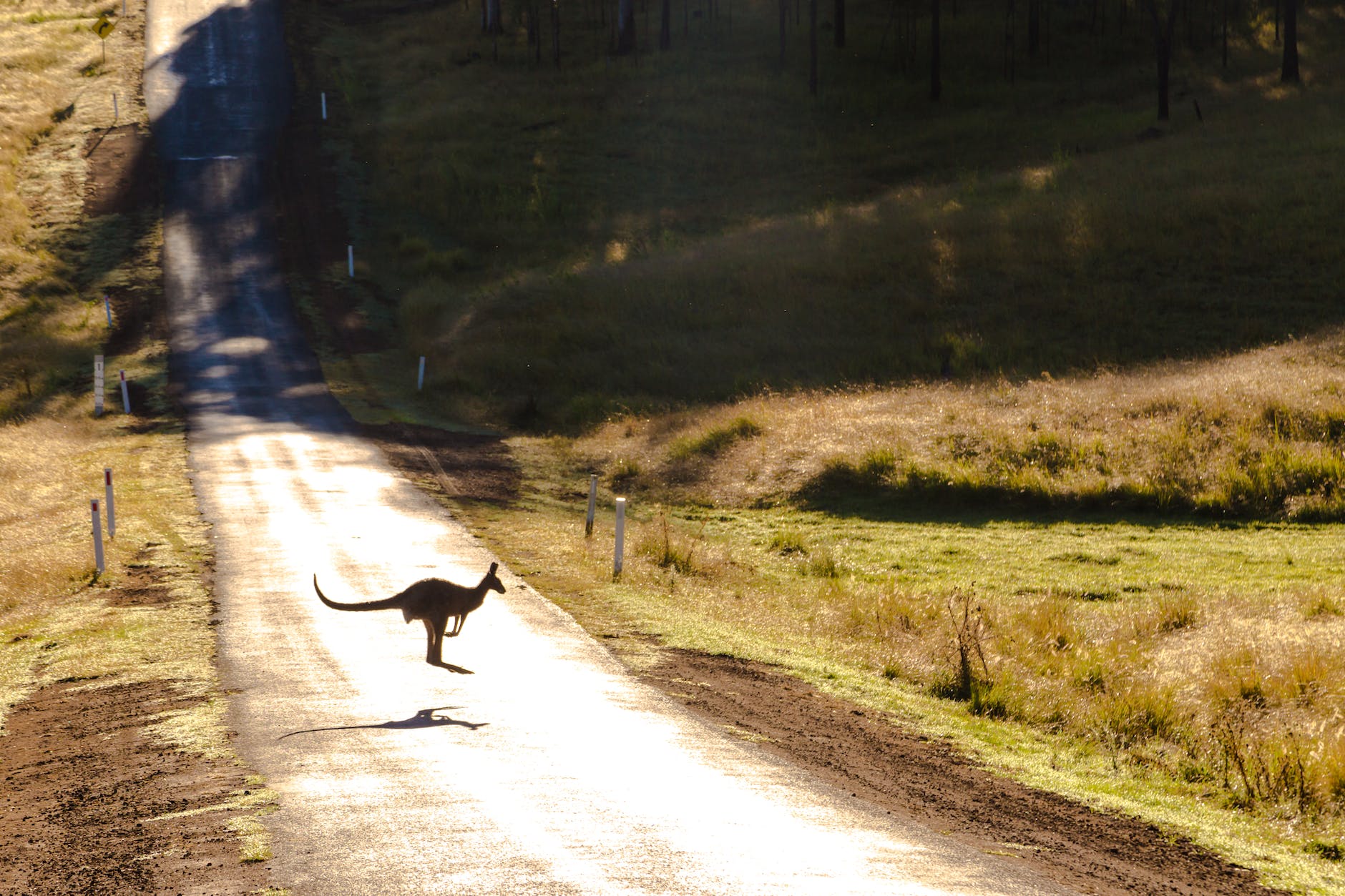
One of the most distinctive traits of kangaroos is their ability to hop. They are incredible jumpers, capable of covering vast distances in a single bound. With their strong hind legs and muscular tails, kangaroos can reach speeds of up to 40 miles per hour (64 kilometers per hour) and leap as far as 30 feet (9 meters) in a single jump.
2. Pouch Parenthood:
Kangaroos are marsupials, which means they give birth to relatively undeveloped young and carry them in a pouch. After a gestation period of about one month, a tiny, hairless joey (baby kangaroo) is born and crawls into its mother’s pouch, where it continues to grow and develop for several months. This unique form of parenting ensures the joey receives the necessary protection and nourishment until it becomes more independent.
3. Powerful Kick:
Kangaroos have incredibly strong hind legs, which they use for both hopping and defending themselves. Their legs are equipped with large, muscular tendons that act as springs, enabling them to generate powerful kicks. These kicks can be formidable, allowing kangaroos to fend off predators and other threats. It’s best to keep a safe distance when encountering a kangaroo in the wild!
4. Social Structures:
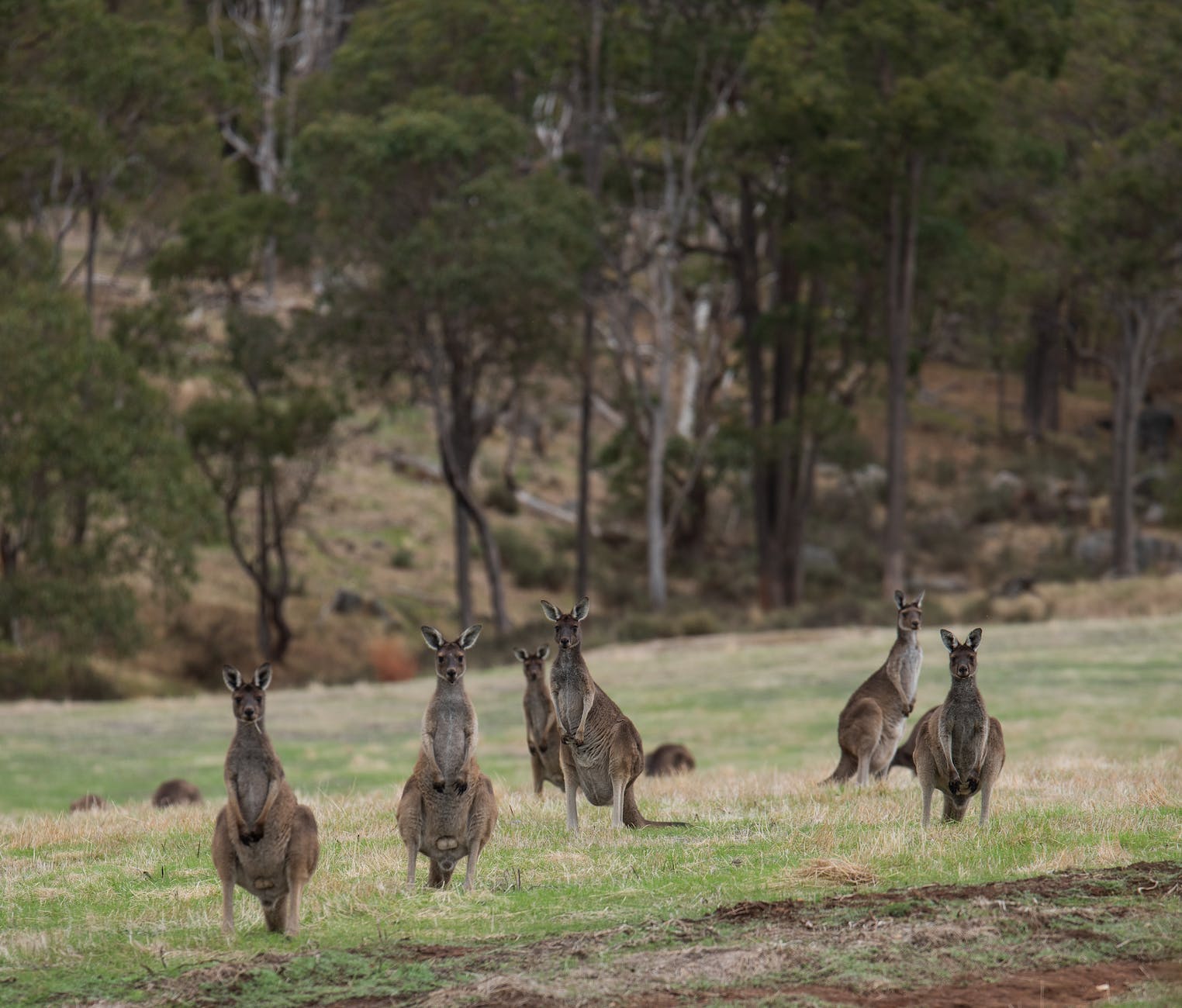
Kangaroos are social animals and often live in groups called mobs or troops. These groups can vary in size, ranging from a few individuals to over 100 kangaroos. Within a mob, there is a hierarchical structure, with dominant males known as bucks leading the group. They use displays of strength, such as boxing and wrestling, to establish dominance and maintain their position.
5. Diverse Diet:
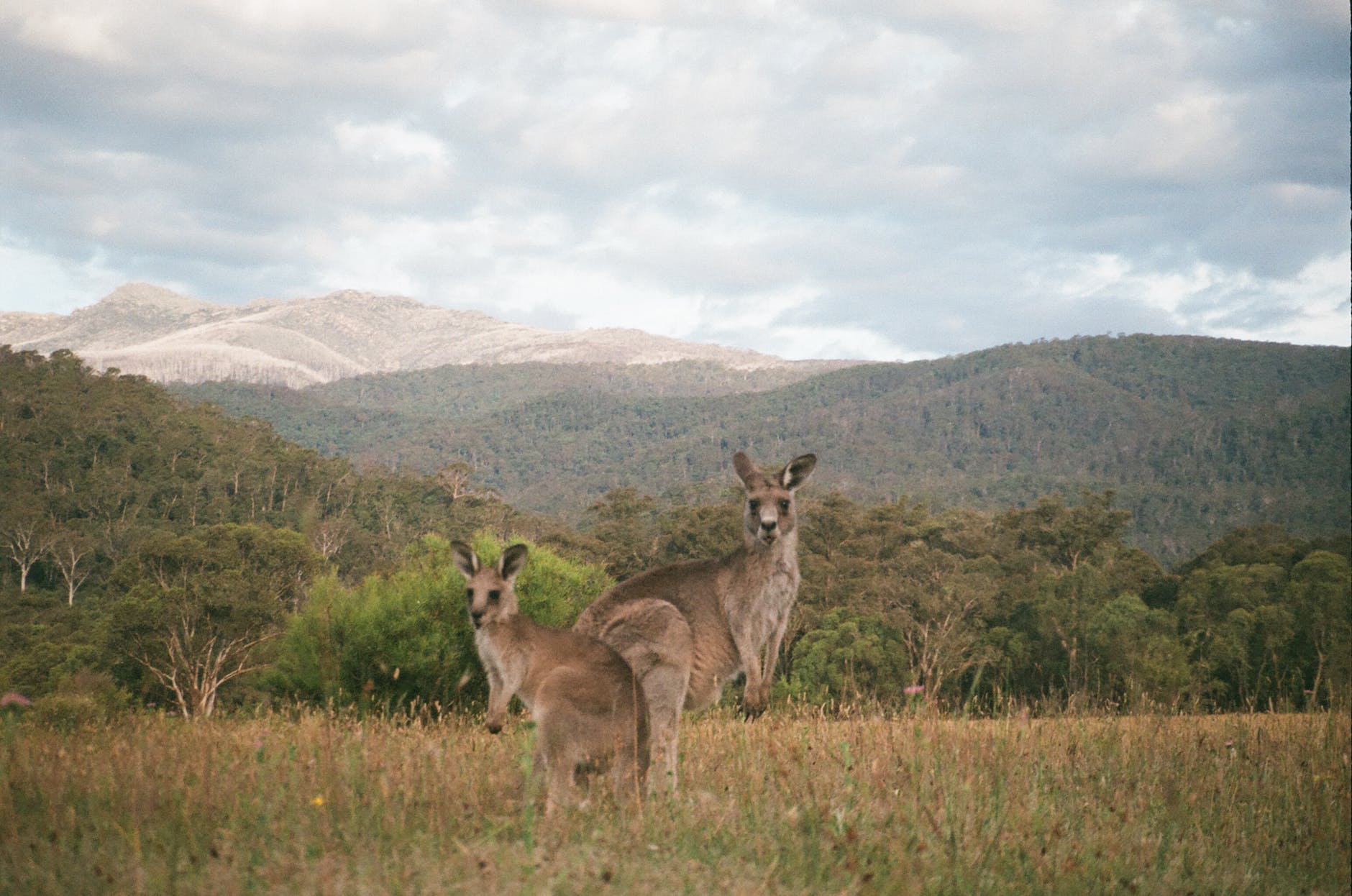
Kangaroos are herbivores with a diverse diet. They are well adapted to the Australian landscape and can survive on a variety of vegetation, including grasses, shrubs, and leaves. Kangaroos are also known to practice foregut fermentation, a process in which microbes in their stomachs help break down tough plant material, allowing them to extract the maximum nutrition from their food.
6. Unique Reproductive Adaptations:
Kangaroos have fascinating reproductive adaptations. They are capable of “embryonic diapause,” which means they can temporarily halt the development of their embryos in times of environmental stress or food scarcity. This remarkable adaptation allows female kangaroos to delay the birth of their young until conditions are more favorable for their survival.
7. Boxing champions:
Male kangaroos engage in a behavior known as boxing, where they stand on their hind legs and use their powerful front paws to deliver punches to their opponents. It’s a way for them to establish dominance and defend their territory. Kangaroo boxing matches can be quite a spectacle to witness!
8. The Great Macropod Migration:
Every year, a large number of kangaroos embark on a unique migration known as the Great Macropod Migration. In search of food and water, these kangaroos travel vast distances across the Australian landscape, forming an impressive sight as they move in groups.
9. Water conservationists:
Kangaroos are well adapted to Australia’s dry and arid climate. They have specialized kidneys that enable them to conserve water by producing highly concentrated urine. This adaptation allows them to survive in regions where water sources are scarce.
10. Olympic torchbearers:
During the opening ceremony of the 2000 Sydney Olympic Games, an iconic moment occurred when a kangaroo named Matilda, equipped with a boxing glove, hopped across the stadium as part of the torch relay. It was a memorable and lighthearted representation of Australia’s unique wildlife.
11. Tailing along:
Kangaroos have a strong and muscular tail that serves multiple purposes. Besides providing balance while hopping, kangaroos also use their tails as a powerful fifth limb, propping themselves up and using it as a “third leg” when sitting or grooming themselves.
Source:

 Decoding Biosphere