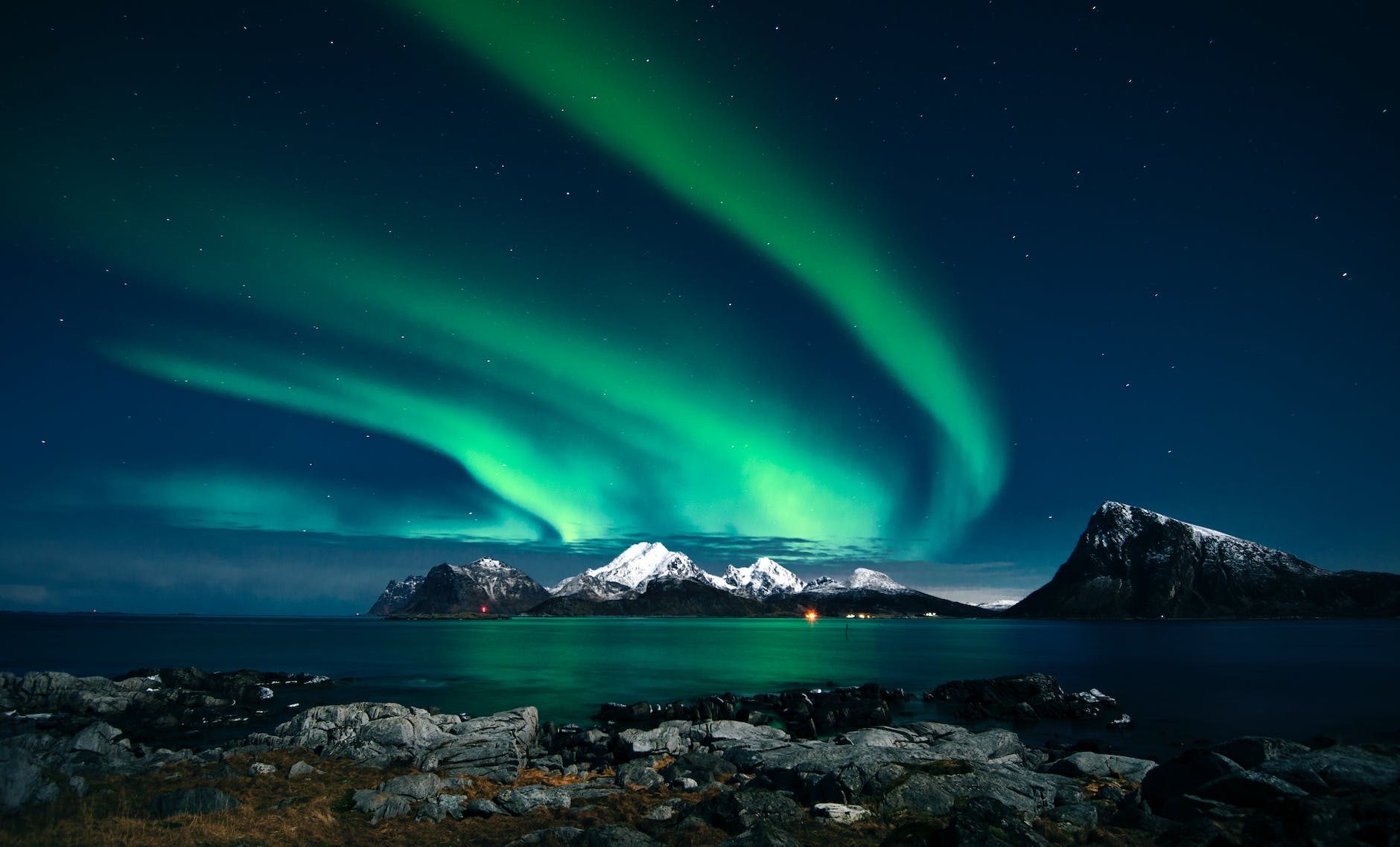
The Arctic Circle is a region located at the northernmost part of the Earth, encircling the North Pole. This vast and remote area encompasses the Arctic Ocean, numerous islands, and parts of eight countries, including Norway, Sweden, Finland, Russia, Canada, the United States (Alaska), Greenland (an autonomous territory of Denmark), and Iceland. The Arctic Circle is renowned for its extreme cold, unique wildlife, breathtaking landscapes, and its role in climate change. In this article, we will embark on a journey through the Arctic Circle, delving into its natural wonders, cultural significance, and the environmental challenges it faces.
Geography and Climate:
The Arctic Circle is characterized by its harsh climate, frigid temperatures, and unique geographical features. It is predominantly covered by ice and is home to the Arctic Ocean, which is partially covered by sea ice year-round. The region experiences long, dark winters with polar nights, where the sun remains below the horizon for extended periods. Conversely, it experiences summers with midnight sun, where the sun doesn’t set for several weeks, bathing the landscape in continuous daylight.
Remarkable Wildlife:
The Arctic Circle is teeming with diverse and resilient wildlife that has adapted to the extreme conditions of the region. Some iconic species found in the Arctic include polar bears, which are perfectly adapted to the icy environment, along with Arctic foxes, reindeer, walruses, narwhals, beluga whales, and various bird species such as puffins and Arctic terns. These creatures have evolved specialized features and behaviors to survive in the Arctic’s challenging conditions.
Indigenous Cultures:
The Arctic Circle is home to several indigenous communities that have thrived in this unforgiving environment for thousands of years. These include the Inuit (Greenland, Canada), the Sami (Norway, Sweden, Finland, Russia), and various indigenous groups in Alaska. These communities have deep connections to the land and have developed unique cultural traditions, languages, and survival techniques that are intricately tied to the Arctic’s natural resources.
Environmental Challenges:
The Arctic Circle is at the forefront of climate change, experiencing some of the most significant impacts of global warming. The region is warming at a faster rate than the rest of the world, leading to the rapid melting of sea ice, the loss of habitat for wildlife, and changes in ecosystems. These changes have far-reaching consequences, not only for the Arctic but also for global climate patterns and sea levels.
The Arctic’s delicate balance is also threatened by pollution, overfishing, and resource extraction. Oil and gas exploration, mining, and shipping activities pose risks to the fragile Arctic ecosystem and the indigenous communities that depend on it.
Conservation and Research Efforts:
Recognizing the importance of the Arctic Circle and its vulnerable ecosystem, numerous conservation organizations, governments, and researchers are working to protect and understand this unique region. Efforts are focused on mitigating climate change, reducing pollution, preserving wildlife and their habitats, and supporting sustainable practices that respect the rights and traditional knowledge of indigenous peoples.
Take Away Points:
The Arctic Circle is a captivating and awe-inspiring region that showcases the beauty and fragility of our planet. From its icy landscapes to its diverse wildlife and rich cultural heritage, the Arctic offers an invaluable opportunity for exploration and discovery. As we navigate the challenges of climate change and environmental degradation, it is essential to prioritize the conservation and sustainable management of the Arctic Circle, ensuring the preservation of its unique ecosystems and the well-being of its inhabitants for generations to come.

 Decoding Biosphere