
Nature is full of many different ecosystems, each with its own special charm. One of these amazing ecosystems is known as calcareous grasslands. These grasslands are home to a variety of plants and animals and have a fascinating history. In this article, we will learn more about what calcareous grasslands are, what makes them unique, and where you can find them.
What are Calcareous Grasslands?
Calcareous grasslands are habitats characterized by alkaline or calcium-rich soils. The name “calcareous” refers to the presence of calcium carbonate in the soil, which gives rise to a specific set of environmental conditions. These grasslands are typically found in areas with thin, well-drained soils, often on limestone or chalk bedrock.
Characteristics of Calcareous Grasslands:
- Biodiversity Hotspots: Calcareous grasslands are renowned for their high biodiversity. They support a wide range of plant and animal species, many of which are specifically adapted to thrive in the alkaline soil conditions. These grasslands often showcase a remarkable variety of wildflowers, grasses, and herbs, creating a vibrant tapestry of colors during the blooming season.
- Species-Rich Flora: One of the defining features of calcareous grasslands is their rich and diverse plant life. These grasslands are home to an array of wildflowers and grasses, including orchids, buttercups, clovers, and fescues. Their adaptability to the calcium-rich soil allows them to flourish and create a visually stunning landscape.
- Insect Haven: Calcareous grasslands serve as vital habitats for numerous insect species. Butterflies, bees, and other pollinators are particularly attracted to the abundant nectar sources found in the grassland’s diverse floral display. These insects play a crucial role in pollination and contribute to the overall ecosystem health.
- Geological Significance: The formation of calcareous grasslands is closely linked to the underlying geology of the area. Limestone or chalk bedrock, slowly weathered over centuries, forms alkaline soils rich in calcium carbonate. This geological process creates the foundation for the unique flora and ecological characteristics observed in calcareous grasslands.
Where Can We Find Calcareous Grasslands?
Calcareous grasslands can be found in various parts of the world, but they are particularly prominent in Europe. Countries such as the United Kingdom, France, Germany, and Hungary are known for their extensive calcareous grassland ecosystems. In the UK, for example, the chalk grasslands of the South Downs and the limestone grasslands of the Yorkshire Dales are famous for their beauty and biodiversity.
Beyond Europe, calcareous grasslands can also be found in regions of North America, Asia, and Australia. Examples include the Great Plains in the United States, the Eurasian Steppe, and the grasslands of the Yunnan-Guizhou Plateau in China.
Calcareous Grassland Indicator Species
Indicator species are organisms that are particularly sensitive to specific environmental conditions or habitat characteristics. In the case of calcareous grasslands, certain plant species can serve as indicators, providing valuable insights into the ecological health and quality of these habitats. Here are a few examples of indicator species commonly associated with calcareous grasslands:
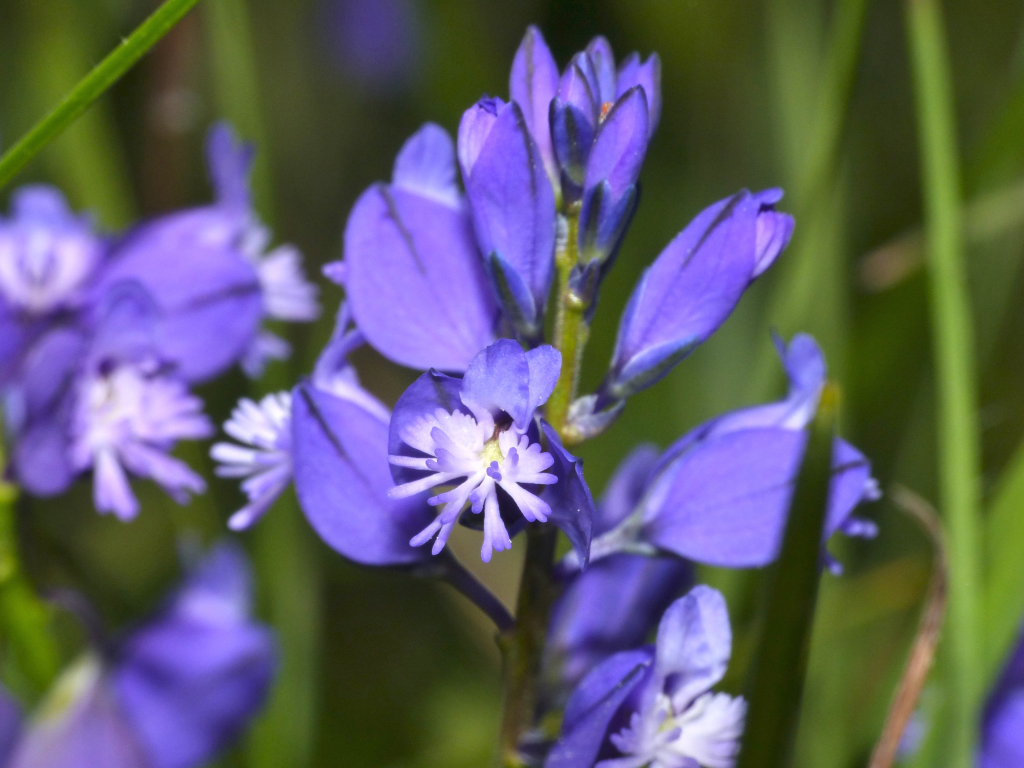
Chalk Milkwort (Polygala calcarea): This small, delicate plant is an indicator species for chalk grasslands. It thrives in alkaline soils and is often found in grassy areas with limestone or chalk bedrock. The presence of Chalk Milkwort suggests suitable conditions for other calcareous grassland species.
Salad Burnet (Sanguisorba minor): Salad Burnet is a flowering plant that favors calcareous grasslands. Its presence indicates well-drained soils and a moderate level of fertility. It often grows in dense clusters, adding to the diversity and beauty of calcareous grassland habitats.

Common Rock-rose (Helianthemum nummularium): Common Rock-rose is a low-growing perennial plant with bright yellow flowers. It is well-adapted to calcareous grasslands and is often found in sunny, open areas. Its ability to thrive in shallow, nutrient-poor soils makes it an important indicator species for these habitats.

Quaking Grass (Briza media): Quaking Grass is a grass species commonly associated with calcareous grasslands. It is recognizable by its delicate, nodding flower heads that tremble in the wind. The presence of Quaking Grass indicates the suitability of the soil and ecological conditions for other grassland species.

Marjoram (Origanum vulgare): Marjoram is a fragrant herb that prefers well-drained and slightly alkaline soils. It is commonly found in calcareous grasslands and is known for attracting pollinators such as bees and butterflies. Its presence indicates the quality and ecological value of these habitats.

Preservation and Conservation:
Due to their ecological significance and stunning natural beauty, efforts are being made to protect and conserve calcareous grasslands. These habitats are often vulnerable to changes in land use, agriculture, and urbanization. Conservation measures include land management practices, controlled grazing, and rewilding initiatives to restore and preserve these delicate ecosystems.
Final Notes:
Calcareous grasslands are special areas with a mix of interesting rocks and amazing nature. The soil in these areas is alkaline, which helps many different types of plants and insects grow there. These plants make the land beautiful with lots of colorful wildflowers. Whether in Europe or North America, these grasslands show us how nature is delicate and how we should take care of these special places.
- How Plastic Pollution Is Choking Our Oceans And 12 Real Ways You Can Fix It

- 2025 Outlook: Top Global Trends Shaping the Future of Tech, Lifestyle, Sustainability and Culture

- 10 Eco-Friendly Gift Ideas for People Who Care About the Planet

- Audiobooks vs E-books: Which Is More Eco-Friendly?

- Why Audiobooks Are the Most Sustainable Way to Learn


 Decoding Biosphere