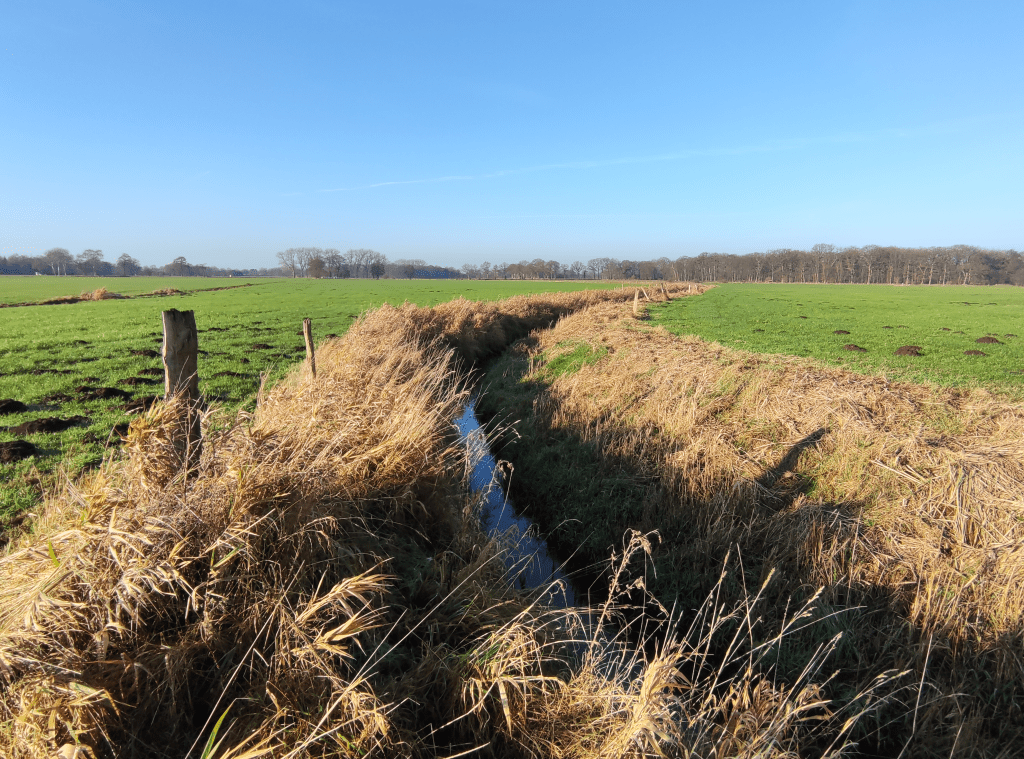
In the realm of sustainable agriculture and conservation, the term “beetle bank” often comes up. But what exactly is a beetle bank, and why is it important? In this article, we will explore the concept of beetle banks, their purpose, and their benefits to biodiversity.
What is a Beetle Bank?
A beetle bank is a linear raised strip or mound of soil, purposely created within agricultural landscapes. It serves as a refuge and habitat for beneficial insects, including beetles, spiders, and other small invertebrates. Beetle banks are typically located alongside fields or at the edges of agricultural areas, forming a natural buffer zone.
The Purpose of Beetle Banks:
The primary purpose of beetle banks is to promote biodiversity and provide habitat for beneficial insects that contribute to natural pest control within agricultural systems. By creating a favorable environment for predatory beetles and other insects, farmers can reduce their reliance on synthetic pesticides, creating a more balanced and ecologically sustainable approach to pest management.
Benefits of Beetle Banks:
- Natural Pest Control: Beetles, particularly ground-dwelling predatory species, feed on a variety of pests, including aphids, slugs, and insect larvae. By establishing beetle banks, farmers can encourage these beneficial insects to thrive and help naturally suppress pest populations, reducing the need for chemical interventions.
- Pollination Support: Many beetles, such as flower beetles, play a vital role in pollination. By providing a diverse habitat with flowering plants, beetle banks attract a range of beetle species that contribute to the pollination of crops and wildflowers, enhancing overall biodiversity and ecosystem health.
- Wildlife Habitat: Beetle banks not only benefit beetles but also provide refuge and food sources for other wildlife. They can attract birds, mammals, and amphibians, creating a diverse and interconnected ecosystem within agricultural landscapes.
- Soil Conservation: The raised structure of beetle banks helps improve soil structure and prevent soil erosion. They act as physical barriers that slow down water runoff, allowing it to infiltrate into the soil, reducing erosion and promoting water conservation.
- Landscape Connectivity: By establishing beetle banks along field edges, farmers contribute to creating ecological corridors and enhancing landscape connectivity. These corridors facilitate the movement of beneficial insects, allowing them to disperse and populate nearby fields, contributing to broader pest control efforts.
Creating a Beetle Bank:
To create a beetle bank, farmers prepare a raised strip of soil, typically 3 to 5 meters wide and a few hundred meters long. The soil is shaped into a gentle slope, providing a range of microhabitats such as bare ground, short vegetation, and flowering plants. Native plant species, especially those attractive to beetles, are often included in the design.
In conclusion, beetle banks serve as valuable habitats within agricultural landscapes, promoting biodiversity, natural pest control, and ecosystem resilience. By incorporating these raised strips of soil with diverse vegetation, farmers can foster a healthy and sustainable environment that benefits both agricultural production and the surrounding ecosystem. Beetle banks represent a win-win solution, fostering coexistence between farming practices and nature conservation.
MCQs
- What is a beetle bank?
- a) A financial institution for beetles
- b) A raised strip of soil providing habitat for beneficial insects
- c) A type of insect species found in banks
- d) A method of controlling beetles in agricultural fields
- What is the primary purpose of a beetle bank?
- a) To promote biodiversity
- b) To serve as a recreational area for beetles
- c) To provide a habitat for harmful insects
- d) To prevent soil erosion in agricultural fields
- Which of the following insects benefit from beetle banks?
- a) Mosquitoes
- b) Aphids
- c) Beetles
- d) Caterpillars
- How do beetle banks contribute to pest control in agriculture?
- a) By attracting harmful insects away from crops
- b) By providing food and habitat for beneficial insects
- c) By using chemical pesticides on the banks
- d) By repelling pests through scent
- Apart from pest control, what other benefit do beetle banks offer?
- a) Enhancing soil fertility
- b) Increasing water runoff
- c) Reducing biodiversity
- d) Attracting invasive species
- How Plastic Pollution Is Choking Our Oceans And 12 Real Ways You Can Fix It

- 2025 Outlook: Top Global Trends Shaping the Future of Tech, Lifestyle, Sustainability and Culture

- 10 Eco-Friendly Gift Ideas for People Who Care About the Planet

- Audiobooks vs E-books: Which Is More Eco-Friendly?

- Why Audiobooks Are the Most Sustainable Way to Learn


 Decoding Biosphere