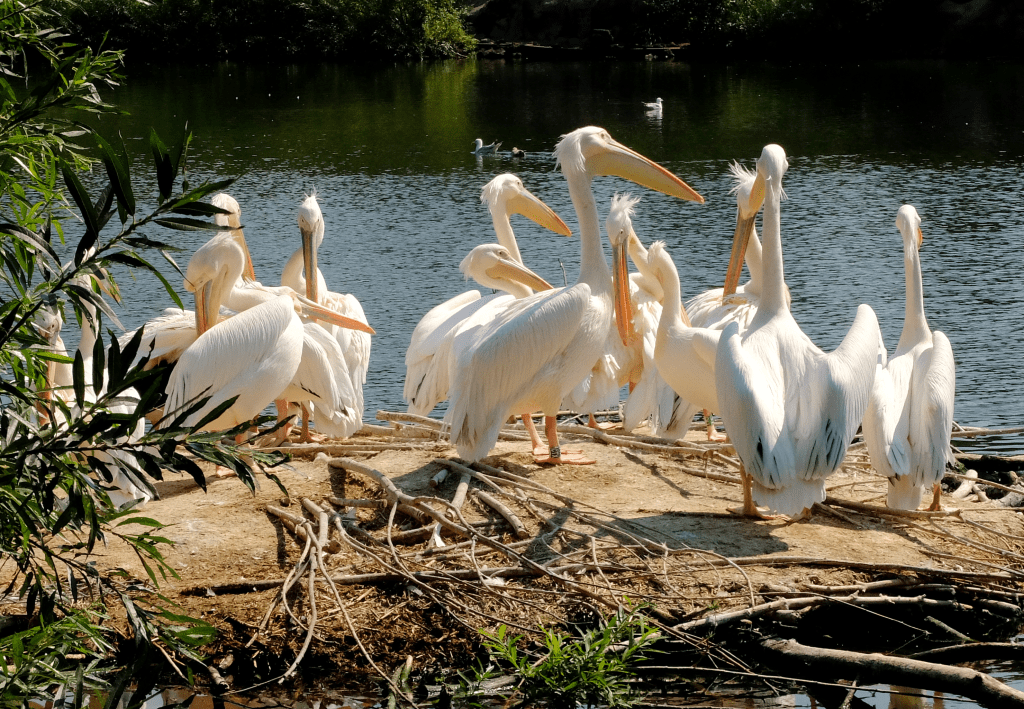
Avifauna refers to the collection or assemblage of bird species found in a particular region or habitat. It encompasses the diverse array of birds that inhabit various ecosystems around the world, ranging from common backyard species to rare and exotic birds found in remote regions. Avifauna plays a significant role in the ecological balance of ecosystems and provides a captivating window into the beauty and diversity of the avian world. In this article, we will delve into the concept of avifauna, its importance, and some notable examples.
Understanding Avifauna:
Avifauna is derived from the combination of two Latin words: “avis” meaning “bird” and “fauna” meaning “animals.” It represents the bird species present in a specific geographic area, such as a country, continent, or habitat. Avifauna is a crucial component of biodiversity studies as birds are highly visible and easily observed creatures, making them ideal indicators of ecosystem health and environmental changes.
Importance of Avifauna:
- Ecological Balance: Birds play vital roles in maintaining ecological balance within their respective habitats. They contribute to the regulation of insect populations, seed dispersal, pollination, and nutrient cycling. The presence or absence of specific bird species can significantly impact the overall dynamics of an ecosystem.
- Indicator Species: Birds are often considered “indicator species” due to their sensitivity to environmental changes. Monitoring changes in avifauna populations and species composition can provide valuable insights into habitat quality, climate change impacts, and overall ecosystem health.
- Seed Dispersal: Many bird species are key players in seed dispersal. They consume fruits and berries and subsequently disperse the seeds in different locations, aiding in the regeneration and diversity of plant species in their habitats.
- Pest Control: Several bird species, such as raptors and insectivorous birds, help control insect populations by preying on pests. This natural form of pest control can reduce the need for chemical interventions in agricultural and natural ecosystems.
- Cultural and Recreational Value: Birds have been a source of fascination and inspiration for humans throughout history. They are beloved subjects for birdwatchers, photographers, and nature enthusiasts who appreciate their beauty, behaviors, and melodious songs. Birds also hold cultural significance in many societies, featuring in folklore, art, and religious symbolism.
Notable Avifauna Examples:
- Neotropical Avifauna: The neotropical region, including Central and South America, is known for its rich avifauna. It is home to diverse bird families like toucans, macaws, hummingbirds, and tanagers. The Amazon rainforest alone hosts an astonishing number of bird species, making it a global hotspot for avian biodiversity.
- African Savanna Avifauna: The African savanna boasts a diverse array of bird species, including the iconic ostrich, secretary bird, hornbills, and numerous raptors. These birds have adapted to the unique characteristics of the savanna ecosystem, playing essential roles in maintaining its ecological balance.
- North American Avifauna: North America showcases a diverse range of bird species across various habitats, from the majestic bald eagle to the vibrant American robin and the agile hummingbirds. The continent is known for its annual migratory patterns, attracting birdwatchers from around the world.
- Australasian Avifauna: The Australasian region, including Australia, New Zealand, and surrounding islands, is home to unique and endemic bird species. Examples include the iconic emu, kiwi, cassowary, and colorful parrots like the rainbow lorikeet.
- Arctic and Antarctic Avifauna: Even the extreme polar regions host a surprising variety of avifauna. Penguins, albatrosses, puffins, and various seabird species brave the harsh conditions of the Arctic and Antarctic, showcasing remarkable adaptations to survive in these cold environments.
Take Away Points:
Avifauna represents the diverse bird species found in different regions and habitats around the world. Birds play integral roles in ecosystems, contributing to pollination, seed dispersal, pest control, and serving as indicators of environmental health. Exploring avifauna provides valuable insights into the interconnectedness of species and ecosystems, while also offering an opportunity to appreciate the remarkable beauty and adaptability of birds. As we continue to study and conserve avifauna, we enhance our understanding of the natural world and promote the conservation of these captivating creatures for future generations to enjoy.
You May Also Like
- How Plastic Pollution Is Choking Our Oceans And 12 Real Ways You Can Fix It

- 2025 Outlook: Top Global Trends Shaping the Future of Tech, Lifestyle, Sustainability and Culture

- 10 Eco-Friendly Gift Ideas for People Who Care About the Planet

- Audiobooks vs E-books: Which Is More Eco-Friendly?

- Why Audiobooks Are the Most Sustainable Way to Learn


 Decoding Biosphere