
The terms “turtle” and “tortoise” are often used interchangeably, leading to confusion about whether these creatures are indeed the same. While both belong to the remarkable order of Testudines, they exhibit distinct characteristics and habitats. In this article, we’ll look into the world of these shelled reptiles, exploring the differences that set turtles and tortoises apart.
1. Anatomy and Physical Features:
- Turtles:
- Turtles are well-adapted for an aquatic lifestyle. They typically have streamlined bodies, webbed feet or flippers, and a more hydrodynamic shell. Some species, like sea turtles, spend the majority of their lives in the water.
- Tortoises:
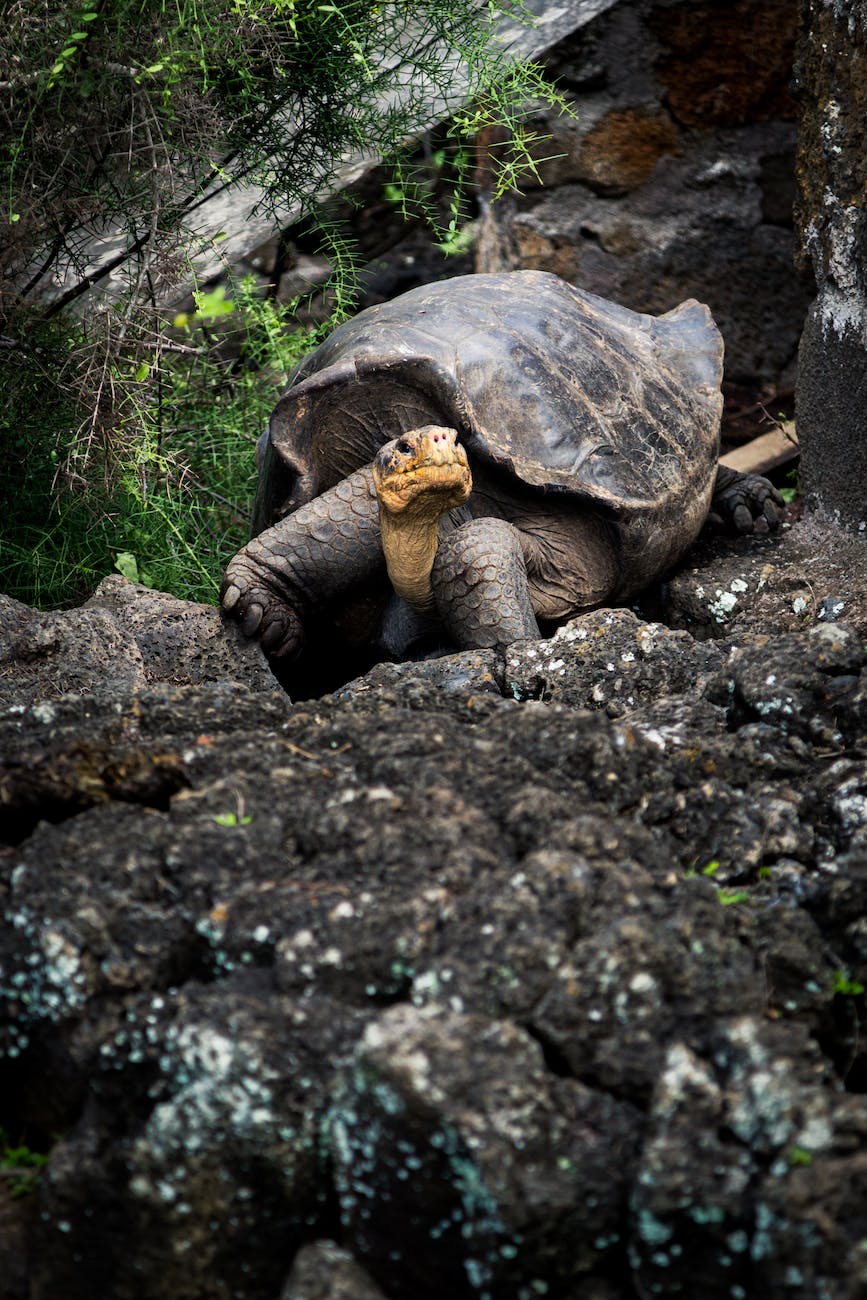
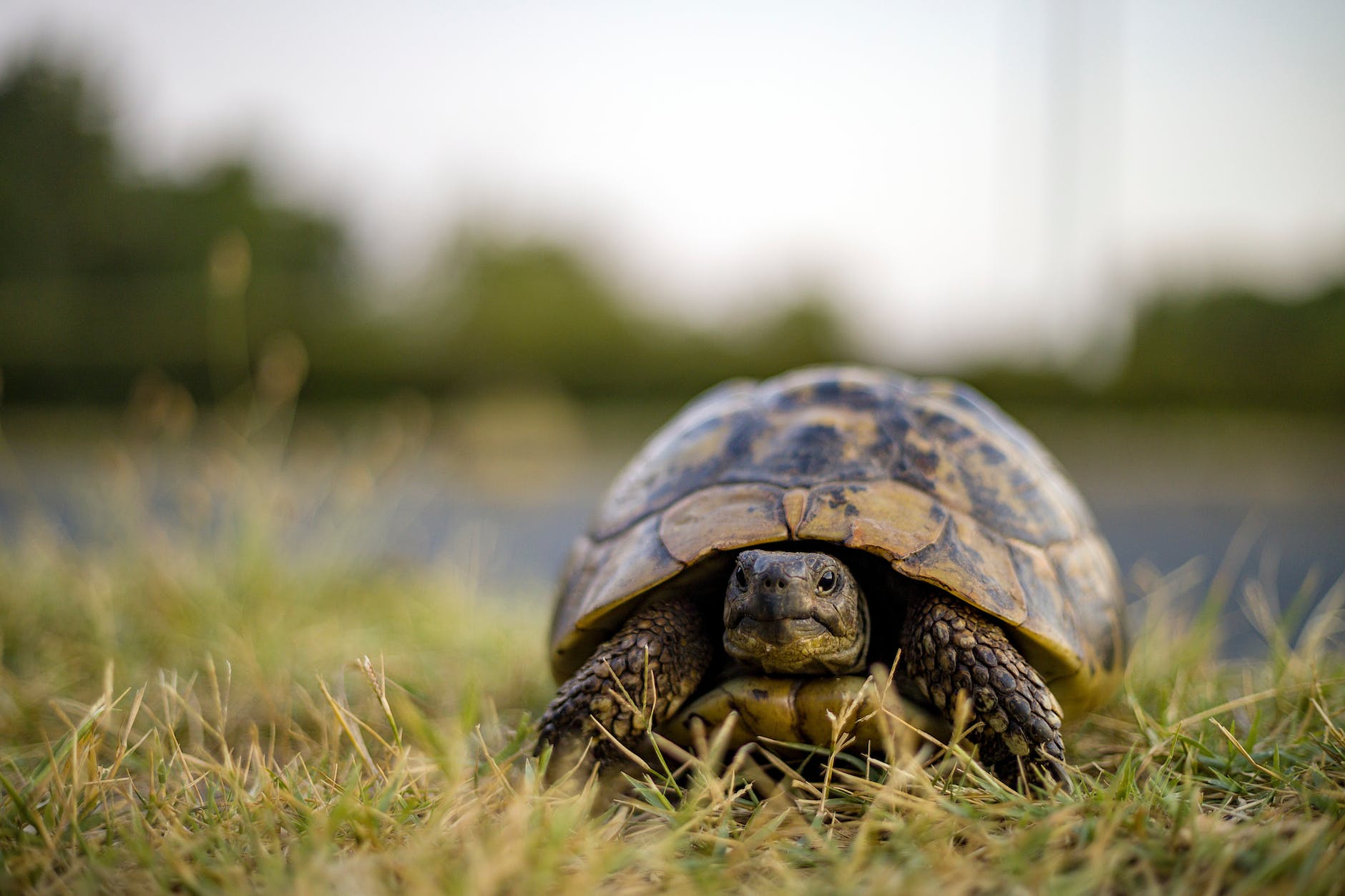
- Tortoises, on the other hand, are land-dwelling reptiles. They have sturdy, elephantine legs with column-like feet that are adapted for walking on land. Their shells are generally more domed and heavy compared to turtles.

2. Habitat Preferences:
- Turtles:
- Turtles are incredibly diverse and can be found in various aquatic environments, including oceans, rivers, ponds, and marshes. Some species, like the box turtle, may also inhabit terrestrial environments.
- Tortoises:
- Tortoises are terrestrial creatures, preferring dry and arid environments. They are commonly found in deserts, grasslands, and scrublands, where they rely on their strong limbs to navigate the terrain.
3. Limb and Foot Structure:
- Turtles:
- Turtles have limbs adapted for swimming. Their feet are often webbed or flipper-like, aiding in efficient movement through water.
- Tortoises:
- Tortoises have robust, elephantine limbs with sturdy, clawed feet. These adaptations are suited for terrestrial locomotion and digging.
4. Diet Variations:
- Turtles:
- Turtles exhibit a diverse range of diets. Aquatic turtles may feed on fish, crustaceans, and aquatic plants, while some land-dwelling turtles, like the box turtle, have omnivorous diets.
- Tortoises:
- Tortoises are primarily herbivores, feeding on a diet of vegetation, including grasses, leaves, and fruits. Their specialized digestive systems are adapted to process fibrous plant material.
5. Behavior and Activity Levels:
- Turtles:
- Turtles are often more mobile and may engage in extensive migrations. Sea turtles, for example, travel long distances between feeding and nesting grounds.
- Tortoises:
- Tortoises are known for their slow and deliberate movements. They are adapted to a sedentary lifestyle, conserving energy in their arid habitats.
6. Shell Characteristics:
- Turtles:
- The shells of turtles are generally flatter and more streamlined, aiding in efficient swimming. Some species, like the soft-shell turtle, have softer, leathery shells.
- Tortoises:
- Tortoise shells are typically domed and robust, offering protection from potential predators. The structure of the shell is adapted to withstand the pressures of a terrestrial environment.

7. Reproduction and Nesting Habits:
- Turtles:
- Many turtle species, especially sea turtles, return to specific beaches for nesting. They lay eggs in sandy nests, and the temperature during incubation can influence the gender of the hatchlings.
- Tortoises:
- Tortoises often lay their eggs in shallow burrows dug in the ground. The nesting process varies among species, but it generally involves digging, laying eggs, and covering the nest with soil.
8. Vocalization:
- Turtles:
- Turtles are generally not known for vocalization. Communication is often through visual cues and body language.
- Tortoises:
- Tortoises are also not particularly vocal. While they may hiss or make low-pitched sounds, communication is usually minimal.
Conclusion:
In conclusion, while turtles and tortoises share a common ancestry as members of the Testudines order, they have evolved distinct adaptations suited to their respective habitats. So next time when you refer to turtle or tortoise, make sure you are referring to the correct species.
You May Also like

 Decoding Biosphere