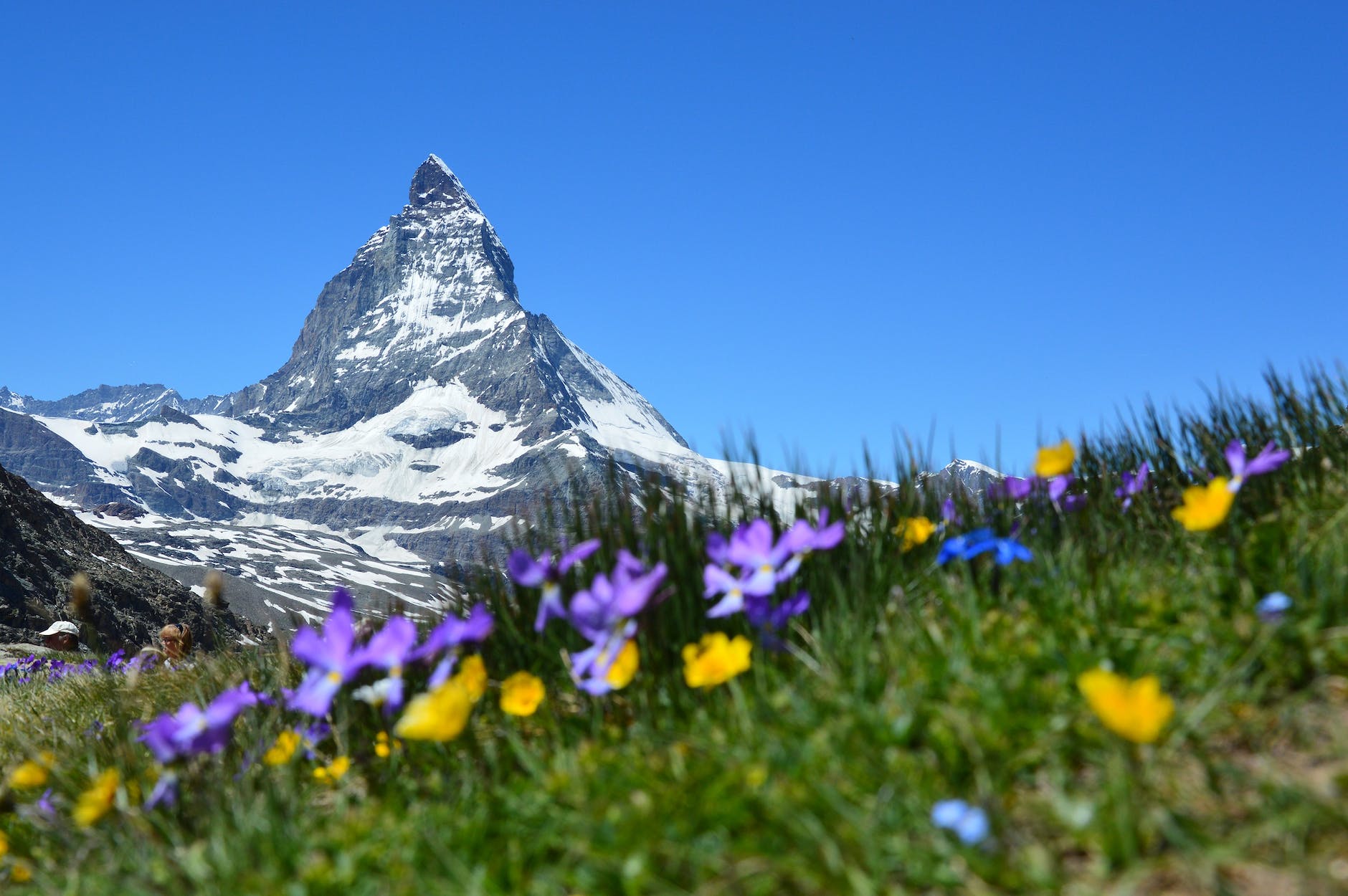
The alpine zone refers to the high-altitude regions found in mountainous areas, characterized by harsh environmental conditions such as low temperatures, strong winds, intense sunlight, and limited nutrient availability. Despite these challenges, many plant and animal species have adapted remarkable strategies to thrive in these extreme habitats. In this article, we explore the fascinating adaptations that enable organisms to survive and flourish in the alpine zone.
Physical Adaptations:
- Cushion Growth Forms: Many alpine plants have evolved cushion growth forms, which are compact, low-growing structures that help them withstand extreme weather conditions. These cushions provide protection from wind and cold temperatures, reducing the risk of desiccation and physical damage.
- Reduced Stature: To counter the effects of high winds and minimize heat loss, alpine plants often have a reduced stature. Their compact size reduces exposure to harsh environmental conditions and allows them to conserve energy.
- Hairy or Waxy Leaf Surfaces: Hairy or waxy leaf surfaces are common adaptations in alpine plants. The presence of dense trichomes (hairs) or a wax coating helps to reduce water loss through evaporation and protects leaves from excessive sunlight, UV radiation, and freezing temperatures.
Physiological Adaptations:
- Cold Tolerance: Alpine organisms have developed physiological mechanisms to tolerate freezing temperatures. They may produce antifreeze compounds that lower the freezing point of their cellular fluids, preventing ice formation and subsequent cell damage.
- Efficient Nutrient Uptake: The alpine zone often has nutrient-poor soils. To cope with limited nutrient availability, alpine plants have developed efficient nutrient uptake systems, such as associations with mycorrhizal fungi that aid in nutrient absorption from the soil.
- UV Radiation Protection: At higher altitudes, the intensity of UV radiation increases due to thinner atmospheres. Alpine plants have adapted to this by producing protective pigments, such as anthocyanins and flavonoids, which absorb and dissipate harmful UV radiation.
Behavioral Adaptations:
- Diurnal Movement: Some alpine animals exhibit diurnal movement patterns, where they seek sheltered areas during the coldest and windiest parts of the day and actively forage during periods of milder temperatures and reduced winds.
- Hibernation and Torpor: To conserve energy during the harsh winter months, many alpine animals enter hibernation or torpor. They lower their metabolic rates and enter a state of dormancy, minimizing energy expenditure until more favorable conditions return.
- Seasonal Migration: Certain alpine species engage in seasonal migrations, moving to lower elevations during winter and returning to the alpine zone in the summer months. This allows them to access more abundant food resources and avoid extreme weather conditions.
Take Away Points:
Adaptation is a remarkable process that enables organisms to survive and thrive in challenging environments, including the alpine zone. Through physical, physiological, and behavioral adaptations, alpine plants and animals have found ingenious ways to withstand extreme cold, wind, and nutrient limitations. Understanding these adaptations not only provides insights into the complexity of ecosystems but also highlights the resilience and tenacity of life in the face of adversity.

 Decoding Biosphere