
Turtles are fascinating creatures that have captured the imagination of people around the world. With their distinctive shells and slow-paced lifestyle, turtles hold a unique place in the animal kingdom. In this article, we’ll explore the shell-ter world of turtles and uncover 20 interesting facts about these intriguing reptiles.
- Ancient Travelers:
- Turtles are often referred to as living fossils due to their ancient lineage, dating back over 200 million years. They have witnessed significant geological and environmental changes, making them one of the oldest living reptile groups.
- Diverse Species:
- Turtles are an incredibly diverse group, with species ranging in size from the tiny Bog Turtle, which can fit in the palm of your hand, to the massive Leatherback Sea Turtle, which can weigh over 2,000 pounds.
- Shell Structure:
- The turtle’s shell serves as both armor and protection. The carapace and plastron are made of bone covered by tough keratin. Not all turtles can retract into their shells; for example, the soft-shell turtle has a more flexible shell.
- Longevity Champions:
- The Galápagos tortoise holds the title for the longest-living turtle, with some individuals exceeding 150 years. This longevity is attributed to their slow metabolism and the absence of natural predators on their native islands.

- Slow and Steady:
- The leisurely pace of turtles is due to their unique anatomy. Their legs are positioned beneath their bodies rather than on the sides, making them more suited for a slow, deliberate walk rather than a swift run.
- Exceptional Navigators:
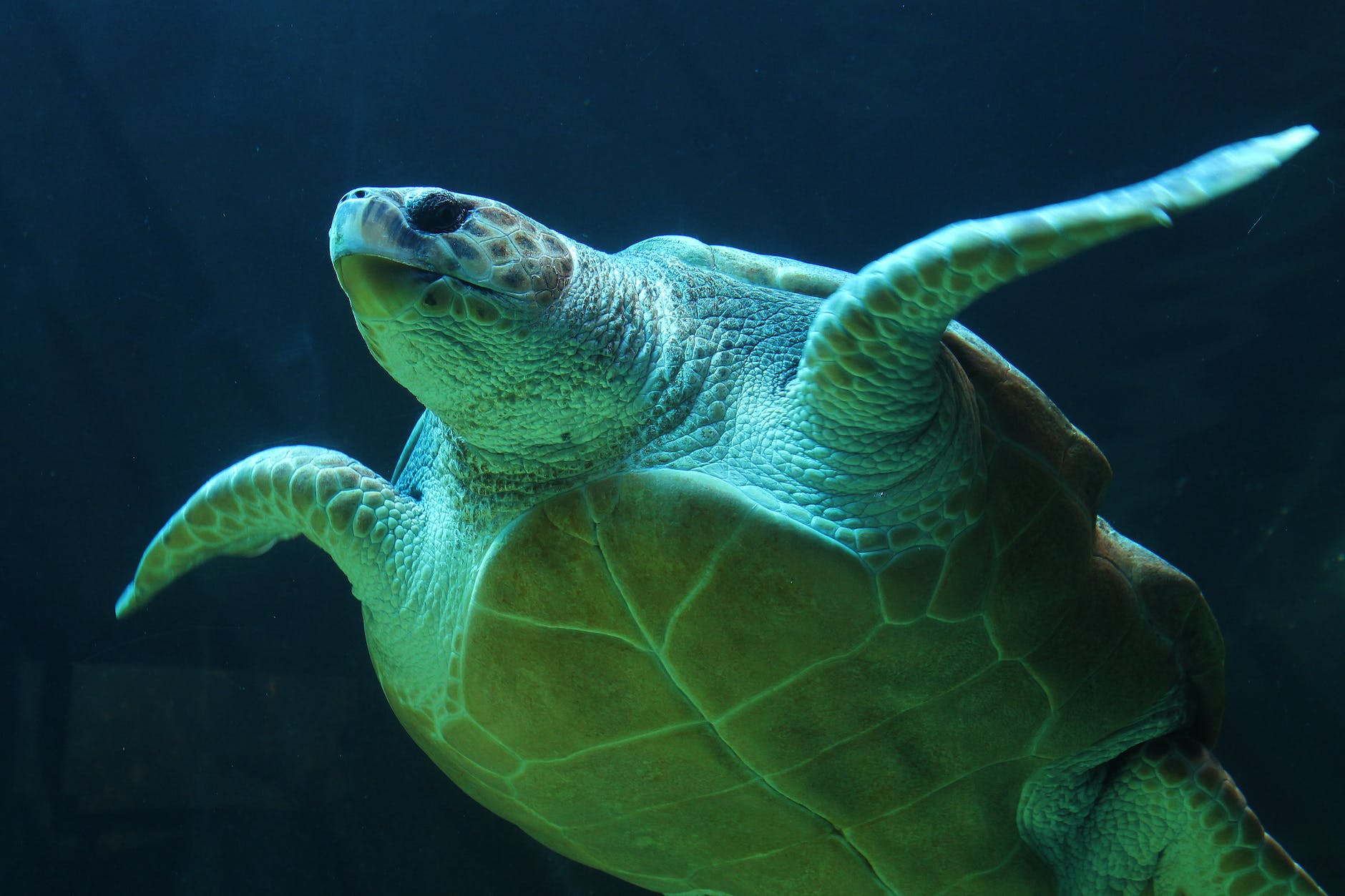
- Sea turtles, particularly loggerheads, possess a remarkable ability to navigate across oceans. They use Earth’s magnetic field and the angle of the sun as compasses to find their way during migrations.

- Unique Feeding Habits:
- Snapping turtles are known for their carnivorous diet, using a powerful bite to capture prey. In contrast, green sea turtles are herbivores, primarily feasting on seagrasses and algae, while leatherbacks specialize in consuming jellyfish.
- Temperature-Dependent Gender:
- The gender of turtle hatchlings is determined by the temperature during egg incubation. Warmer temperatures typically produce females, and cooler temperatures result in more males. This phenomenon is known as temperature-dependent sex determination.
- Shell Growth Rings:
- The rings on a turtle’s scutes, similar to growth rings in trees, can help estimate their age. These rings are formed as a result of changes in diet, environmental conditions, and overall health.
- Territorial Painted Turtles:
- Painted turtles exhibit territorial behavior, often returning to the same basking spots day after day. These spots, usually logs or rocks in the sun, are essential for thermoregulation.
- Shell Color Variety:
- Turtles display an array of shell colors and patterns, providing effective camouflage in their respective habitats. For example, the box turtle’s distinct markings help it blend into the forest floor.
- Egg-Laying Rituals:
- Female turtles, such as the loggerhead sea turtle, exhibit natal homing by returning to the same beaches or nesting sites where they were born to lay their eggs. This behavior ensures the survival of future generations.
- Turtles as Pollinators:
- Eastern box turtles contribute to plant pollination by consuming fruits. The seeds pass through their digestive systems, and when the turtles excrete them in different locations, they aid in seed dispersal and plant growth.

- Hibernation Strategies:
- While some turtles hibernate in mud, others, like the painted turtle, have developed the ability to endure freezing temperatures. They enter a state of suspended animation, with their metabolism slowing down to survive winter conditions.
- Unique Respiratory System:
- Turtles have a distinctive respiratory system. They breathe through specialized structures in their cloacas, allowing them to extract oxygen from water and air efficiently.
- Protective Shell Adaptations:
- The box turtle’s domed shell offers enhanced protection, making it challenging for predators to get a grip. Aquatic turtles, with flatter shells, are more streamlined for efficient swimming.
- Omnivorous Diet:
- The omnivorous diet of turtles varies among species. For instance, the omnivorous red-eared slider consumes a mix of plants, insects, small fish, and even carrion.
- Conservation Concerns:
- Turtles face threats such as habitat loss, pollution, and illegal trade. Conservation efforts are essential to preserving these ancient creatures and maintaining the ecological balance they contribute to.
- Turtles in Mythology:
- Turtles hold cultural significance in many mythologies. In Hindu mythology, the world is said to rest on the back of a giant turtle called Akupara, symbolizing stability and support.
- Unique Courtship Rituals:
- Different turtle species engage in distinct courtship behaviors. For example, male painted turtles may swim in front of females and fan their brightly colored bellies to attract a mate. These rituals play a crucial role in successful mating and reproduction.

Conclusion:
Turtles are more than just slow-moving reptiles with shells; they are a diverse and ancient group of creatures with unique adaptations and behaviors. From their remarkable longevity to their essential role in ecosystems, turtles continue to captivate the imagination of nature enthusiasts worldwide.
You May Also Like

 Decoding Biosphere