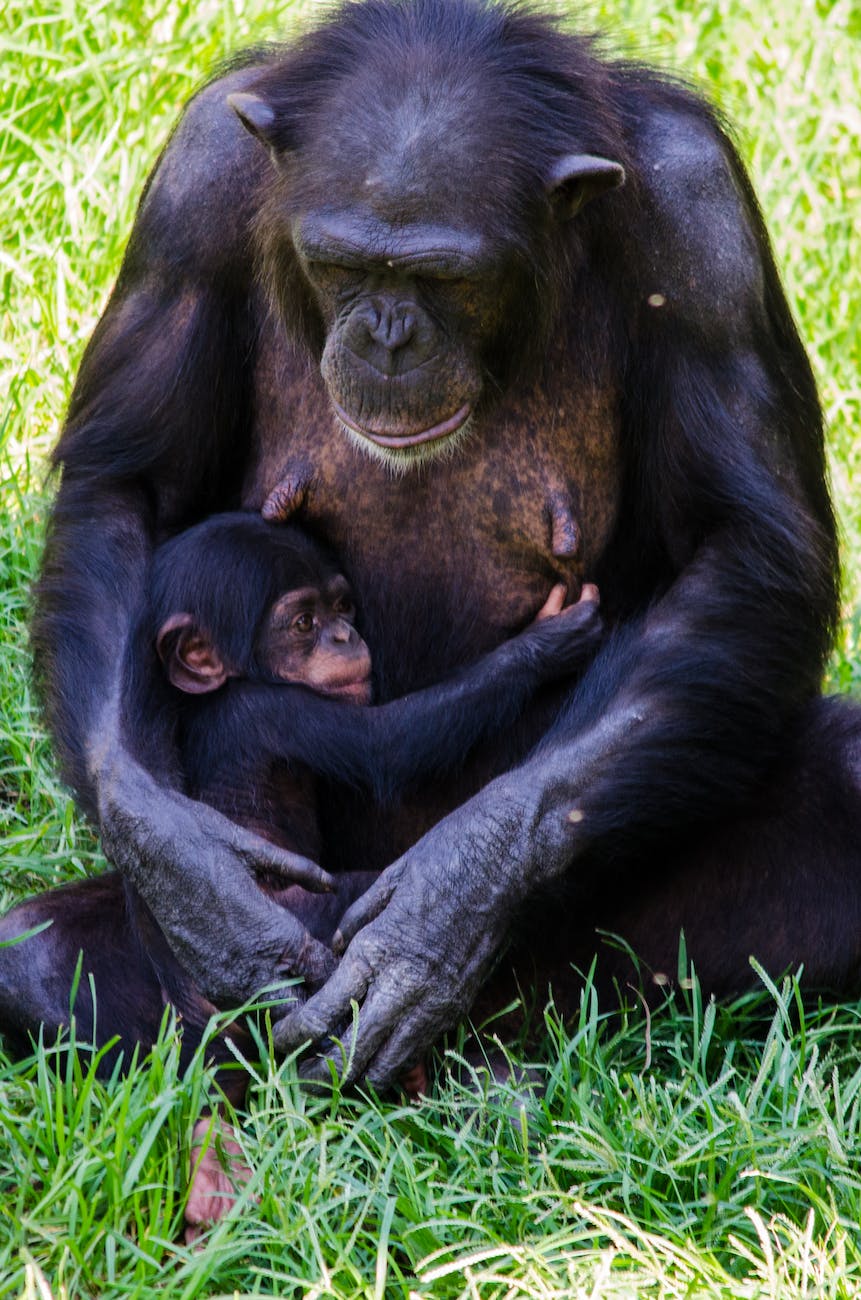
Chimpanzees are animals that are very similar to humans. They are very intelligent and have complex behaviors. Scientists study them because they share almost all of our DNA. In this article, we will learn 15 interesting things about chimpanzees that show how amazing they are and how they live.
1. Great Apes:
Chimpanzees are classified as great apes, along with humans, orangutans, gorillas, and bonobos. They belong to the family Hominidae, sharing a common ancestor with humans.
2. Physical Characteristics:
Chimpanzees have long, strong arms, allowing them to swing effortlessly through trees. They possess opposable thumbs and can grasp objects with precision. Their prominent ears and expressive faces reveal a wide range of emotions.
3.Intelligent Beings:
Chimpanzees are highly intelligent and exhibit problem-solving skills, tool use, and advanced social behaviors. They can learn and understand complex tasks, solve puzzles, and even use computers to communicate.
4. Social Structure:
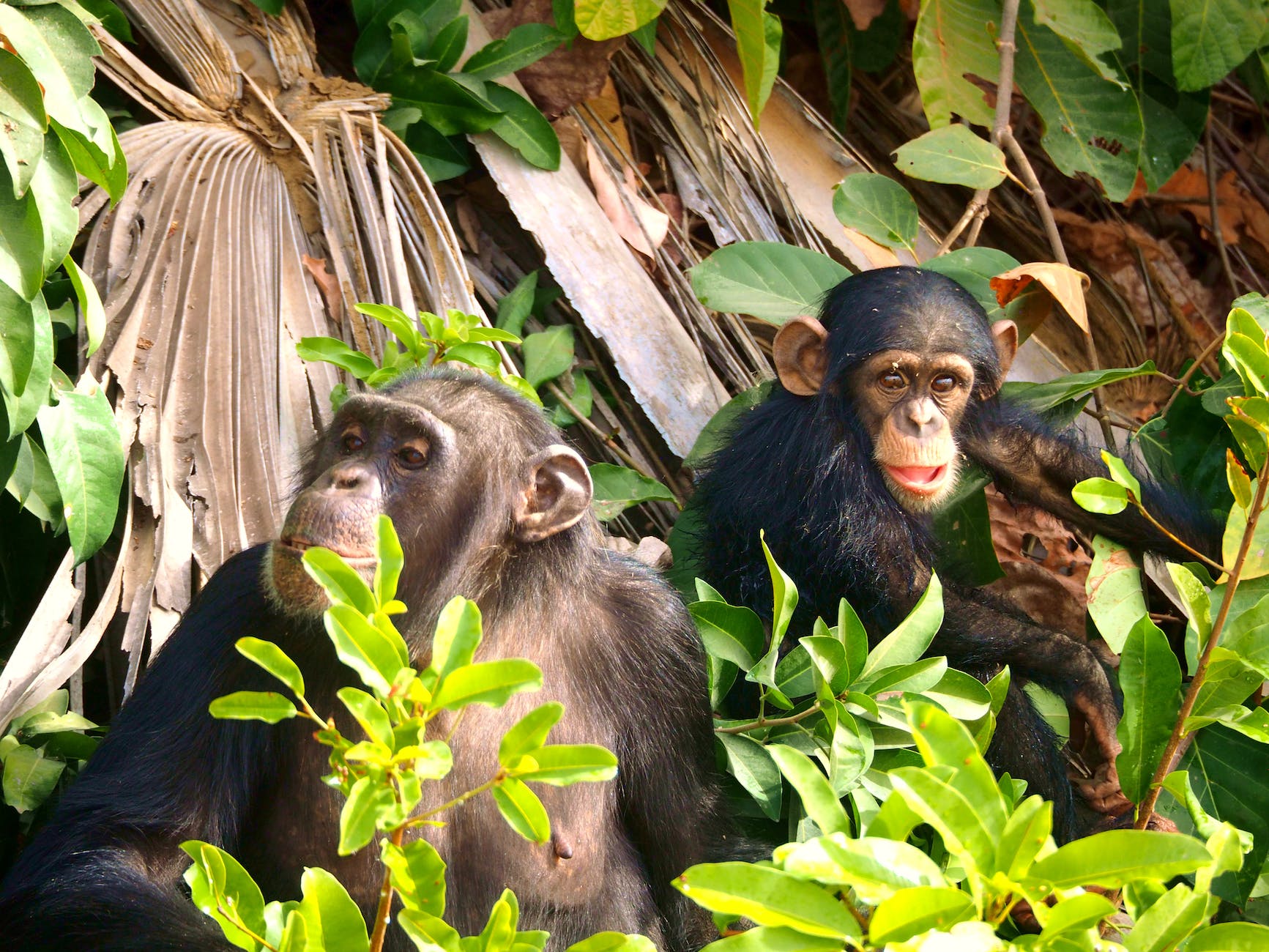
Chimpanzees live in complex social groups called communities or troops. These communities consist of several males, females, and their offspring, led by an alpha male who maintains order and protects the group.
5. Tool Use:
Chimpanzees are skilled tool users. They fashion tools from branches, leaves, and rocks to access food or engage in specific tasks. For example, they use sticks to extract termites from mounds or rocks to crack open nuts.
6. Communication Methods:
Chimpanzees communicate through a combination of vocalizations, facial expressions, and body postures. They use a variety of vocal calls, gestures, and even kiss-like embraces to convey emotions and maintain social bonds.
7. Hunting Techniques:
Chimpanzees are opportunistic hunters, primarily targeting small mammals like monkeys and bushbabies. They engage in cooperative hunting, using strategic tactics to catch their prey.
8. Nutritional Needs:
Chimpanzees have a diverse diet, consisting of fruits, leaves, insects, and occasionally meat. They display cultural differences in food preferences and employ different techniques to extract and process food.
9. Mother-Infant Bonds:
Chimpanzee mothers have strong bonds with their infants, nurturing and caring for them for several years. They teach them essential skills, including tool use and foraging techniques.
10. Grooming Rituals:
Chimpanzees engage in grooming rituals, where they pick through each other’s fur to remove dirt, parasites, and form social bonds. Grooming is a vital aspect of their social interactions and helps maintain group cohesion.

11. Emotional Expressions:
Chimpanzees display a wide range of emotions, including joy, anger, sadness, and empathy. They can comfort and console each other during times of distress, exhibiting remarkable emotional intelligence.
12. Cultural Variations:
Chimpanzees exhibit cultural variations within different communities. They display unique behaviors and traditions, such as specific tool-use techniques or grooming rituals, which are passed down through generations.
13. Self-Awareness:
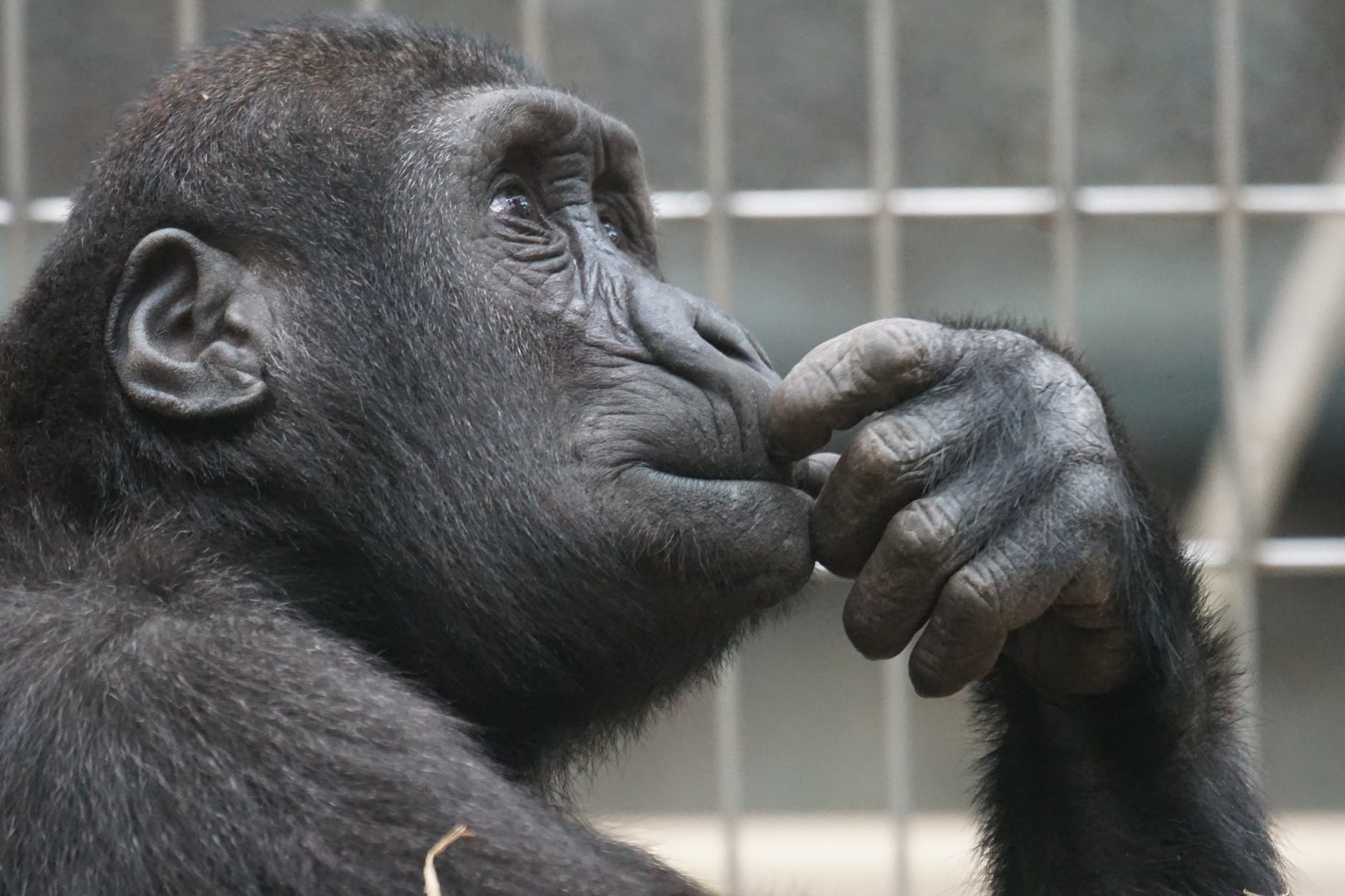
Chimpanzees possess self-awareness and can recognize themselves in mirrors. They engage in self-directed behaviors and have passed the “mirror self-recognition” test, demonstrating a level of self-consciousness.
14. Lifespan:
Chimpanzees typically live for 40 to 50 years in the wild, although individuals in captivity can live longer. Factors such as habitat loss, poaching, and diseases pose significant threats to their survival.
15. Endangered Status:
Chimpanzees are listed as endangered by the International Union for Conservation of Nature (IUCN). Their populations are declining due to habitat destruction, hunting, and the illegal pet trade.
- How Plastic Pollution Is Choking Our Oceans And 12 Real Ways You Can Fix It

- 2025 Outlook: Top Global Trends Shaping the Future of Tech, Lifestyle, Sustainability and Culture

- 10 Eco-Friendly Gift Ideas for People Who Care About the Planet

- Audiobooks vs E-books: Which Is More Eco-Friendly?

- Why Audiobooks Are the Most Sustainable Way to Learn

 Decoding Biosphere