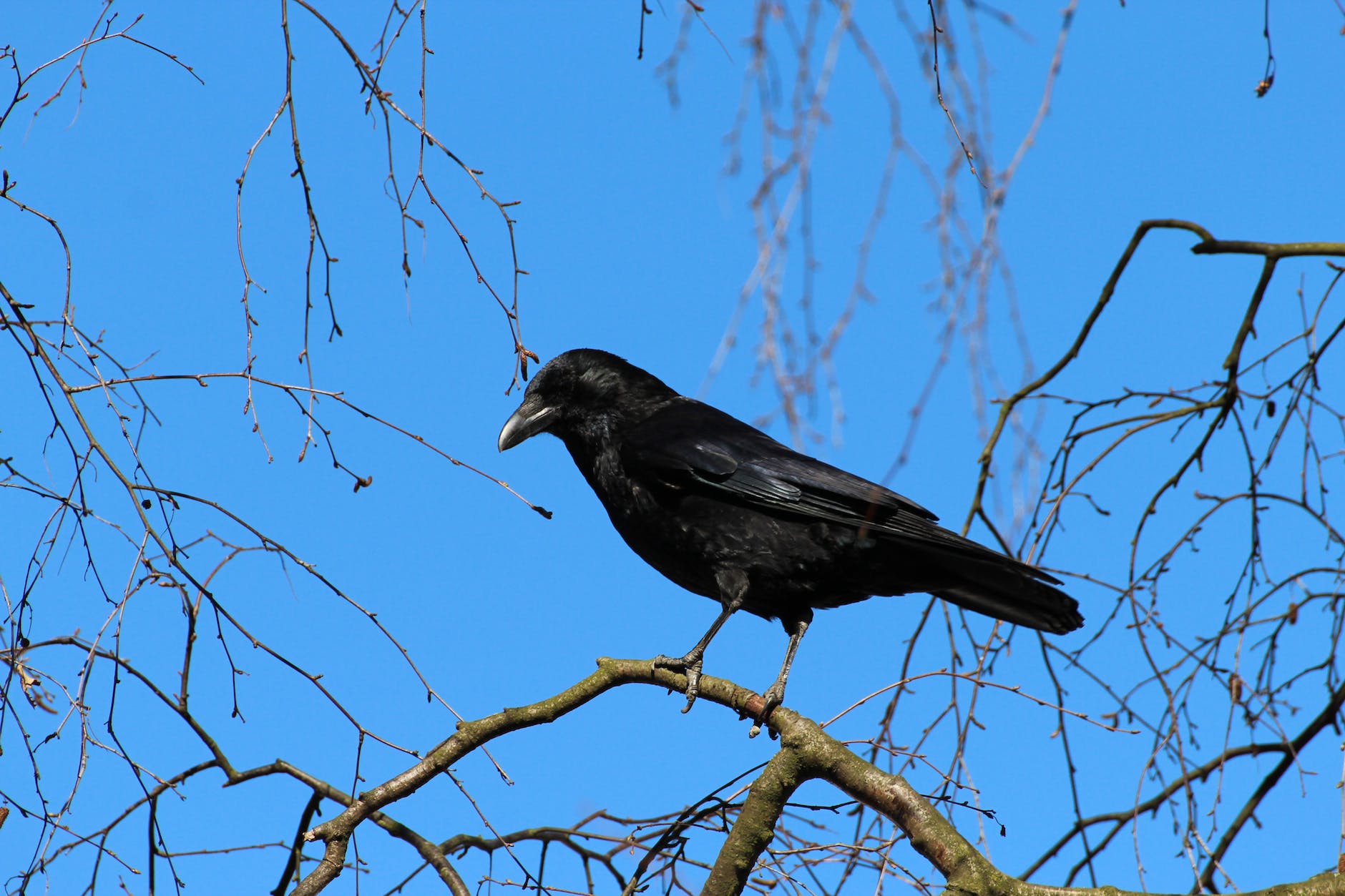
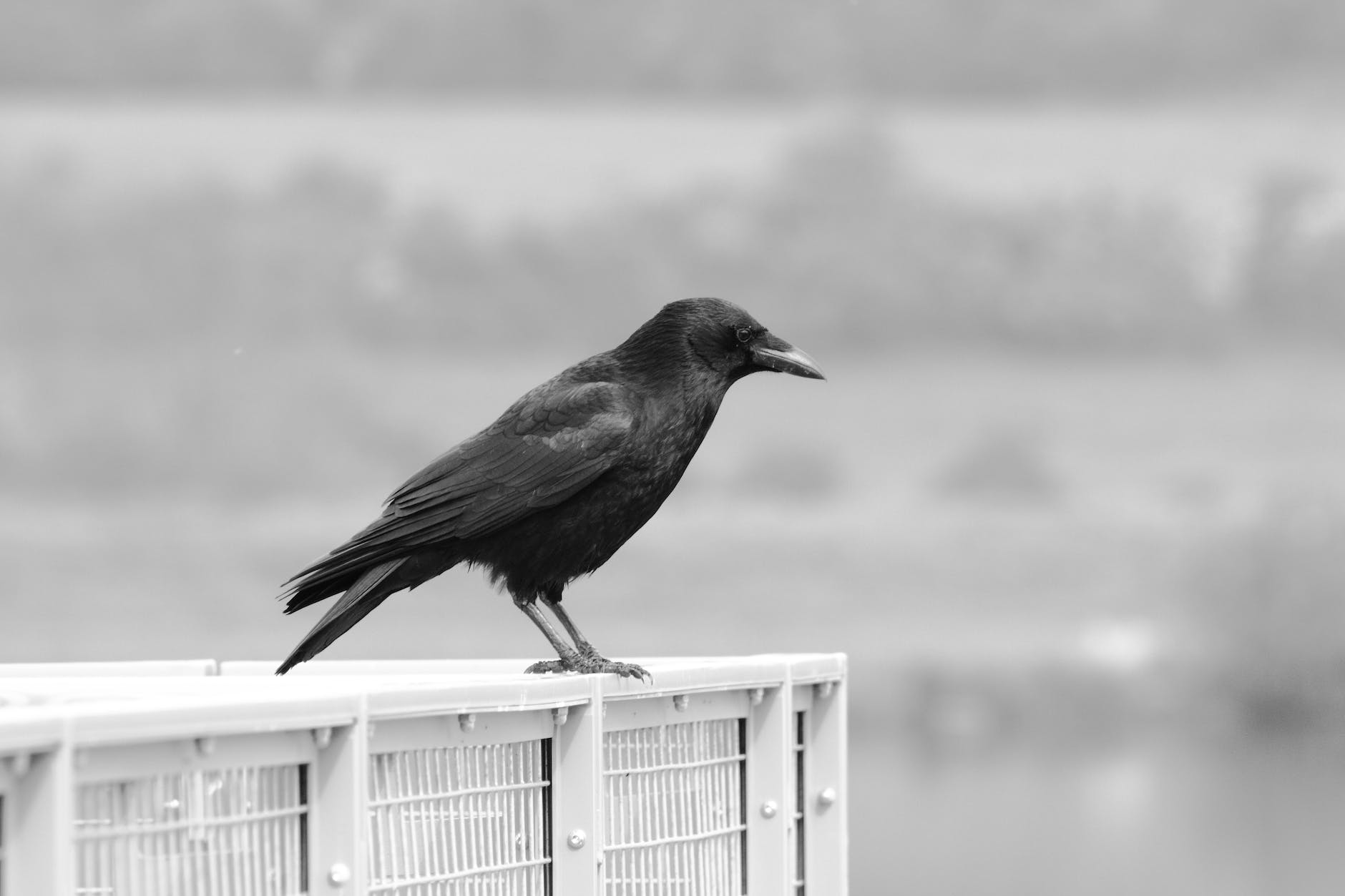
Crows are very interesting birds that have fascinated people for a long time because of their dark feathers and unique sound. They are very smart and can easily adapt to different environments. These social birds can be found in many different places, like busy cities and peaceful countryside. In this article, we will learn about 15 fascinating things about crows that will help us understand their amazing skills and behaviors.
1. Highly Intelligent Birds:
Crows are among the most intelligent bird species, capable of problem-solving, tool use, and complex communication. They demonstrate remarkable cognitive skills and have even been observed using tools in the wild.
2. Variety of Species:
There are over 40 species of crows worldwide, with the most well-known being the American Crow and the Carrion Crow. Each species has its own unique characteristics and adaptations.
3. Social Creatures:
Crows are highly social birds and often form large, communal groups known as “murders.” These groups serve various purposes, including protection, hunting, and communal roosting.

4. Vocal Communication:
Crows are known for their diverse vocalizations. They use a wide range of calls to communicate with each other, including distinct calls for warning, territorial defense, and recruitment to food sources.
5. Excellent Problem-Solvers:
Crows have shown remarkable problem-solving abilities in various experiments. They can use tools, such as sticks or wire, to retrieve food from hard-to-reach places.
6. Memory Skills:
Crows possess impressive memory skills and can remember individual human faces for years. They can also recall specific locations where they have found food, demonstrating their spatial memory capabilities.
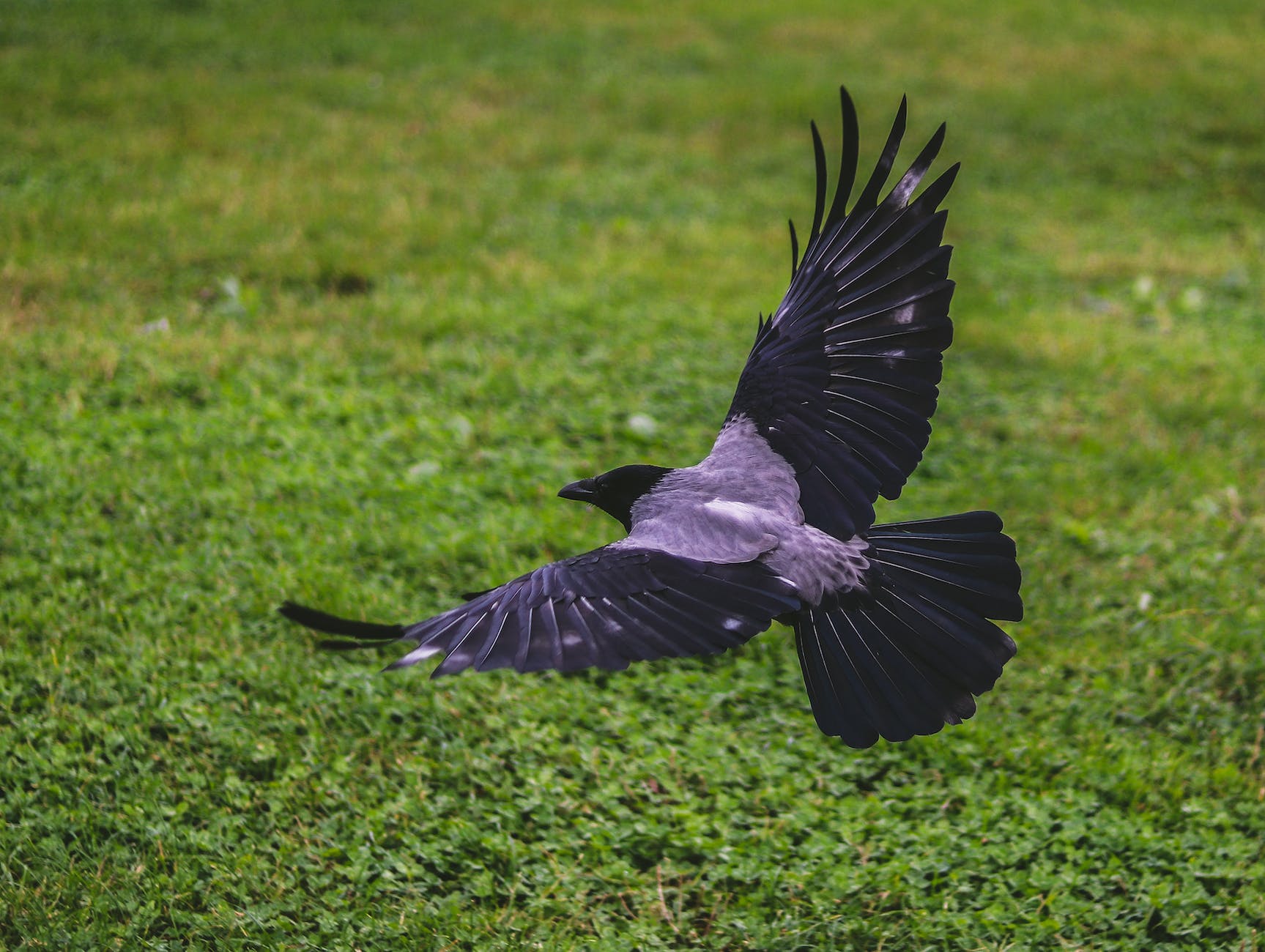
7. Clever Foragers:
Crows are opportunistic omnivores and have adapted to a wide range of diets. They are skilled foragers and can exploit various food sources, including scavenging from human settlements.
8. Strategic Nesting:
Crows construct their nests in tall trees to protect their eggs and young from predators. They often choose sites that provide a clear view of the surroundings, enabling them to detect potential threats.
9. Cooperative Breeding:
Crows engage in cooperative breeding, where offspring from previous years help their parents raise new chicks. This cooperative behavior enhances the chances of successful reproduction.
10. Playful Nature:
Crows exhibit playful behavior, engaging in games and aerial acrobatics. They have been observed sliding down snowbanks and using wind currents for aerial stunts, seemingly for pure enjoyment.
11. Cultural Learning:
Crows can learn from each other through cultural transmission. They pass on knowledge about foraging techniques, vocalizations, and other skills to younger generations within their social groups.
12. Tool Innovation:
Crows are known to innovate and create new tools. In some instances, they have been observed modifying existing tools to make them more effective for specific tasks.
13. Mimicry Abilities:
Crows possess impressive mimicry skills and can imitate the sounds of other birds and even human voices. Their ability to mimic sounds helps them communicate and potentially deceive other species.
14. Long Lifespan:
Crows have relatively long lifespans compared to many other bird species. They can live up to 20 years or more in the wild, displaying remarkable longevity for their size.
15. Symbolism and Folklore:
Crows have been a part of human culture and folklore for centuries. In various societies, they have been associated with intelligence, prophecy, and even considered as messengers.
- How Plastic Pollution Is Choking Our Oceans And 12 Real Ways You Can Fix It

- 2025 Outlook: Top Global Trends Shaping the Future of Tech, Lifestyle, Sustainability and Culture

- 10 Eco-Friendly Gift Ideas for People Who Care About the Planet

- Audiobooks vs E-books: Which Is More Eco-Friendly?

- Why Audiobooks Are the Most Sustainable Way to Learn


 Decoding Biosphere