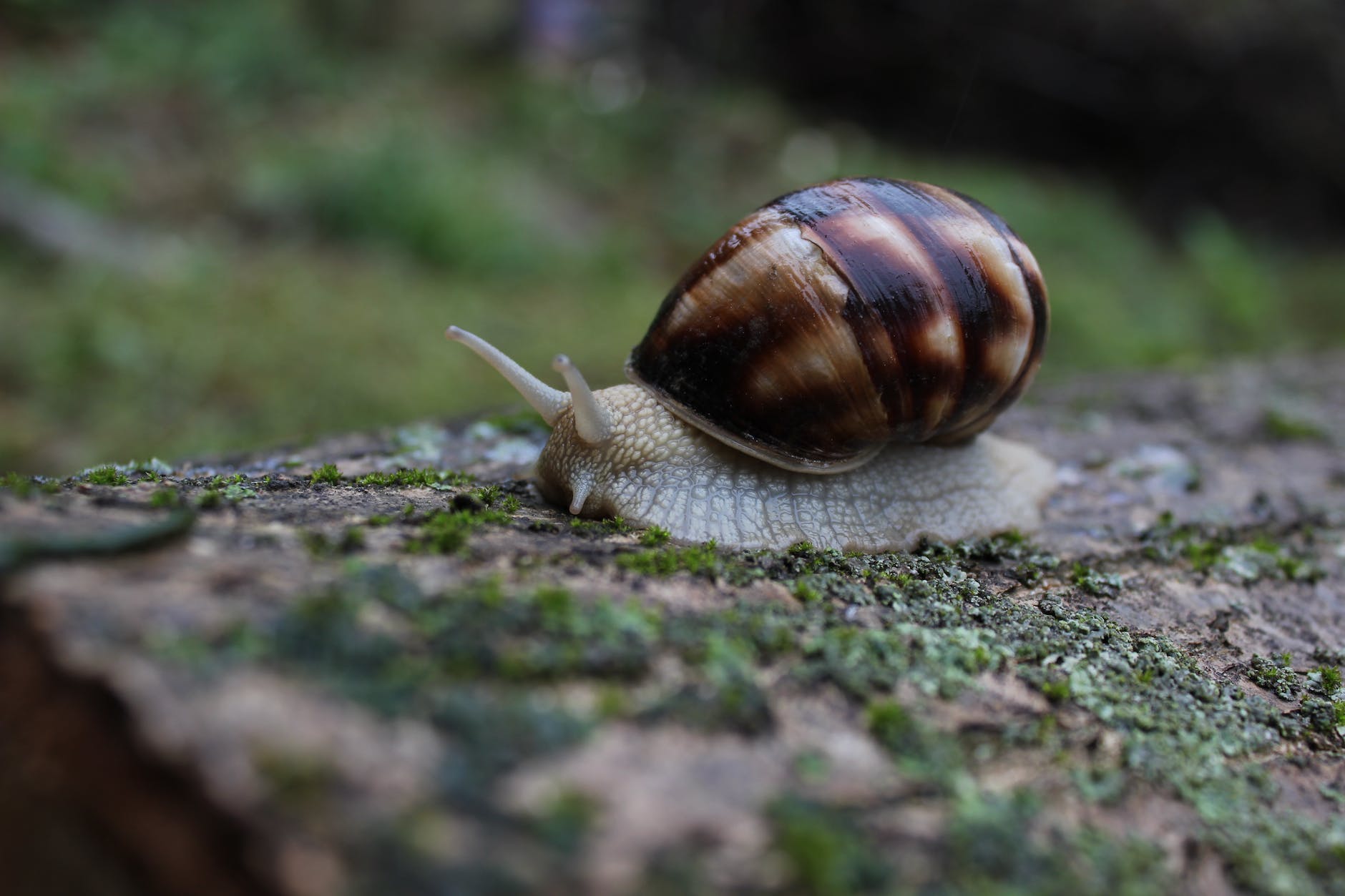

Snails are small creatures with shells that can be found in different places all over the world. People have been interested in them for a long time. Snails move slowly and are often found in gardens, but they have many interesting qualities. In this article, we will learn about some fascinating information about snails, including how they are adapted to their environments, the interesting things they do, and how they play an important role in nature.
1. A Shell for Protection and Home:
Snails belong to the class Gastropoda, which means “stomach foot.” One of their most distinctive features is their spiral-shaped shell, made of calcium carbonate. The shell not only provides structural support and protection but also serves as a home, offering shelter from predators and adverse environmental conditions.
2. A Variety of Habitats:
Snails have adapted to a wide range of habitats, from lush rainforests to arid deserts and even underwater environments. They can be found on land, in freshwater bodies, and in the ocean. This versatility has allowed snails to colonize diverse ecosystems across the globe.
3. Slow and Steady Lifestyle:
The characteristic slowness of snails can be attributed to their muscular foot, which they use for locomotion. This slow pace is an energy-efficient strategy that helps conserve moisture and reduces the risk of injury. Despite their leisurely movement, some snail species can cover impressive distances, aided by the secretion of mucus that reduces friction.

4. Diverse Diets:
Snails are primarily herbivorous, feeding on a variety of plant material such as leaves, algae, and fruits. However, some species exhibit omnivorous or carnivorous tendencies, consuming small invertebrates or even scavenging on decaying organic matter. This adaptability in diet contributes to their success in various ecosystems.
5. Extraordinary Adaptations:
To survive in their respective habitats, snails have evolved remarkable adaptations. Many land snails possess a calciferous structure called a “love dart” or “gypsobelum” that aids in reproduction by transferring sperm. Some marine snails, such as the cone snail, produce venomous harpoons for hunting prey. These adaptations showcase the incredible diversity and ingenuity within the snail world.
6. Reproduction and Growth:
Most snails are hermaphrodites, possessing both male and female reproductive organs. However, they still require a partner to exchange sperm. After fertilization, snails lay eggs in gelatinous capsules or directly in the soil. The development of snail embryos can vary greatly, ranging from a few days to several months, depending on the species and environmental conditions.
7. Environmental Indicators:
Snails play a crucial role as environmental indicators due to their sensitivity to changes in their surroundings. Their shell composition and growth patterns can provide valuable insights into factors such as temperature, pollution levels, and habitat quality. As such, scientists and environmentalists often study snail populations to monitor ecosystem health and assess the impacts of human activities.

8. Ecological Contributions:
Despite their small size, snails fulfill significant ecological roles. They contribute to nutrient cycling by breaking down organic matter and enriching the soil. Some species act as pollinators, transferring pollen from one plant to another. Additionally, snails serve as a vital food source for many predators, including birds, reptiles, amphibians, and mammals.
9. Speedy Comparison:
While snails are generally known for their slow pace, the average garden snail can actually move at a speed of about 0.03 miles per hour. In comparison, the fastest land snail, the common garden snail (Cornu aspersum), can reach a whopping speed of 0.03 miles per hour. So, they are not always as sluggish as they seem!
10. Remarkable Longevity:
Snails are known for their longevity. Some species of land snails have been recorded to live up to 10-15 years, while others can live even longer in captivity. In fact, a captive garden snail named Jeremy gained fame for living up to the age of 2 years and 6 months, which is quite exceptional for its species.
11. Size Matters:
Snails come in various sizes, ranging from tiny to surprisingly large. The world’s smallest known land snail, the Angustopila dominikae, measures only about 0.03 inches in diameter. On the other end of the spectrum, the African giant snail (Achatina achatina) can grow to be as long as 15 inches.
12. Sticky Secretion:
Have you ever wondered how snails manage to stick to surfaces without falling off? Snails produce a slimy mucus or slime trail as they move, which helps them adhere to different surfaces, including vertical ones. This mucus also acts as a lubricant, allowing them to glide along without damaging their delicate bodies.

13. Surprising Regeneration:
Snails possess impressive regenerative abilities. If a snail’s shell gets damaged or broken, it can repair and regenerate it over time. The snail’s mantle, a specialized organ responsible for shell formation, secretes new shell material, gradually restoring its protective home.
14. Unusual Hibernation:
During periods of adverse environmental conditions, such as extreme cold or dryness, snails can enter a state of hibernation called aestivation. In this dormant phase, they seal themselves inside their shells with a layer of mucus, reducing water loss and conserving energy until more favorable conditions return.

 Decoding Biosphere