Owls have been a source of fascination for humans for hundreds of years. They are known for their ability to fly silently and their captivating appearance. Owls are exceptional hunters and have unique ways of adapting to their environment. They have a special place in our imaginations. In this article, we will explore interesting and amazing facts about owls. We will discuss their fascinating behaviors, incredible senses, and the wide variety of owls that exist.
1. Silent Wings and Stealthy Flight:
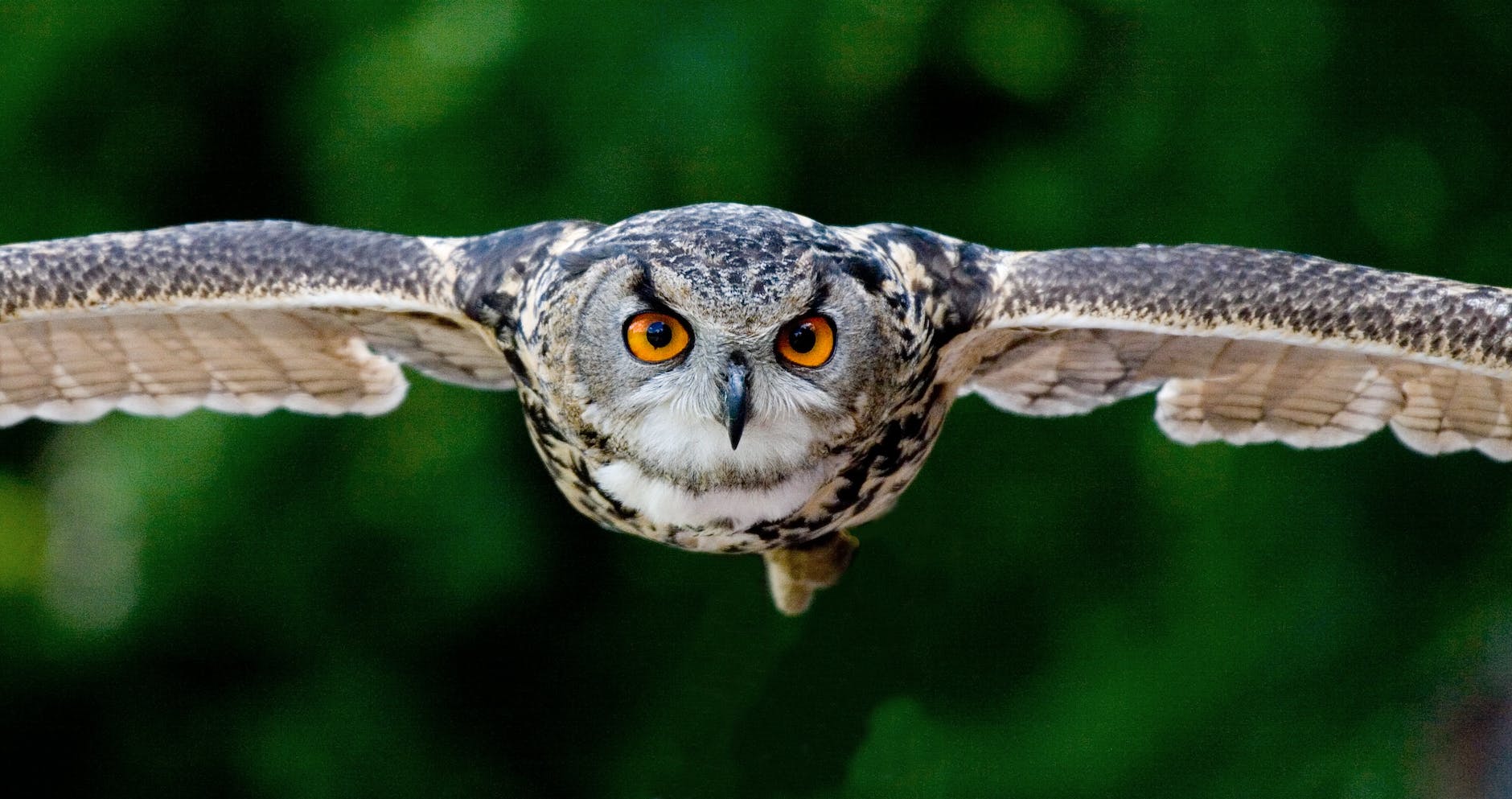
One of the most remarkable features of owls is their ability to fly silently. Unlike most birds, owls have specialized feather adaptations that minimize the sound of their wing flaps. Their feathers are serrated, allowing them to break up the airflow and reduce turbulence, enabling them to move through the air unnoticed. This silent flight gives owls a stealthy advantage when hunting their prey.
2. Exceptional Night Vision:
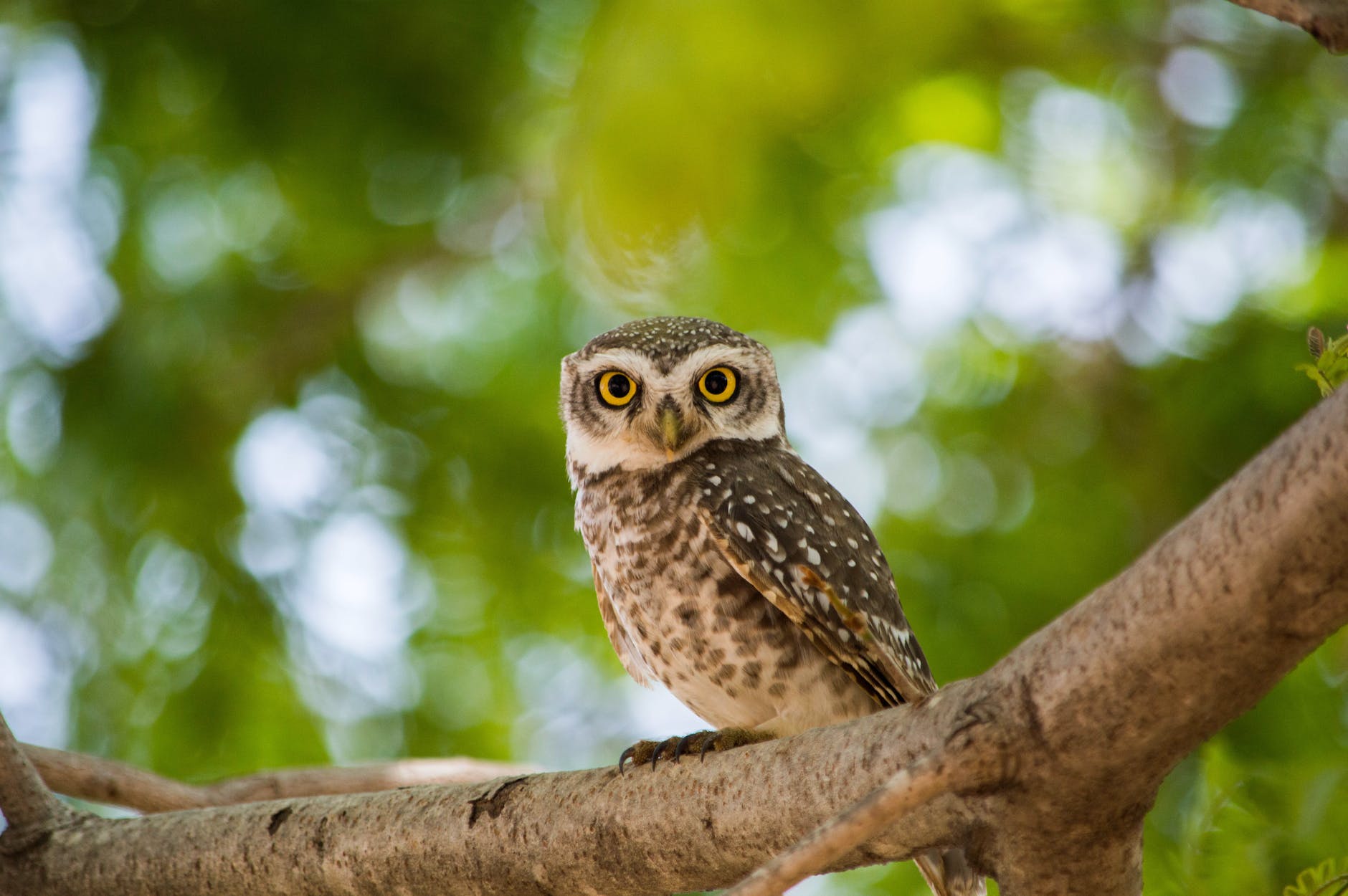
Owls are well-known for their superb night vision, which allows them to navigate and hunt in the dark. Their large, forward-facing eyes are equipped with a high concentration of light-sensitive cells called rods, enabling them to gather even the smallest traces of light. Additionally, the structure of their eyes allows them to focus light more effectively, giving them excellent depth perception and allowing them to spot prey from afar.
3. Eerie Neck Flexibility:
One of the most peculiar aspects of owl anatomy is their incredible neck flexibility. Owls can rotate their heads up to 270 degrees, thanks to their unique bone structure and extra vertebrae in their necks. This remarkable flexibility enables them to scan their surroundings without needing to move their bodies, providing a wide field of view and enhancing their hunting efficiency.

4. Variety of Vocalizations:
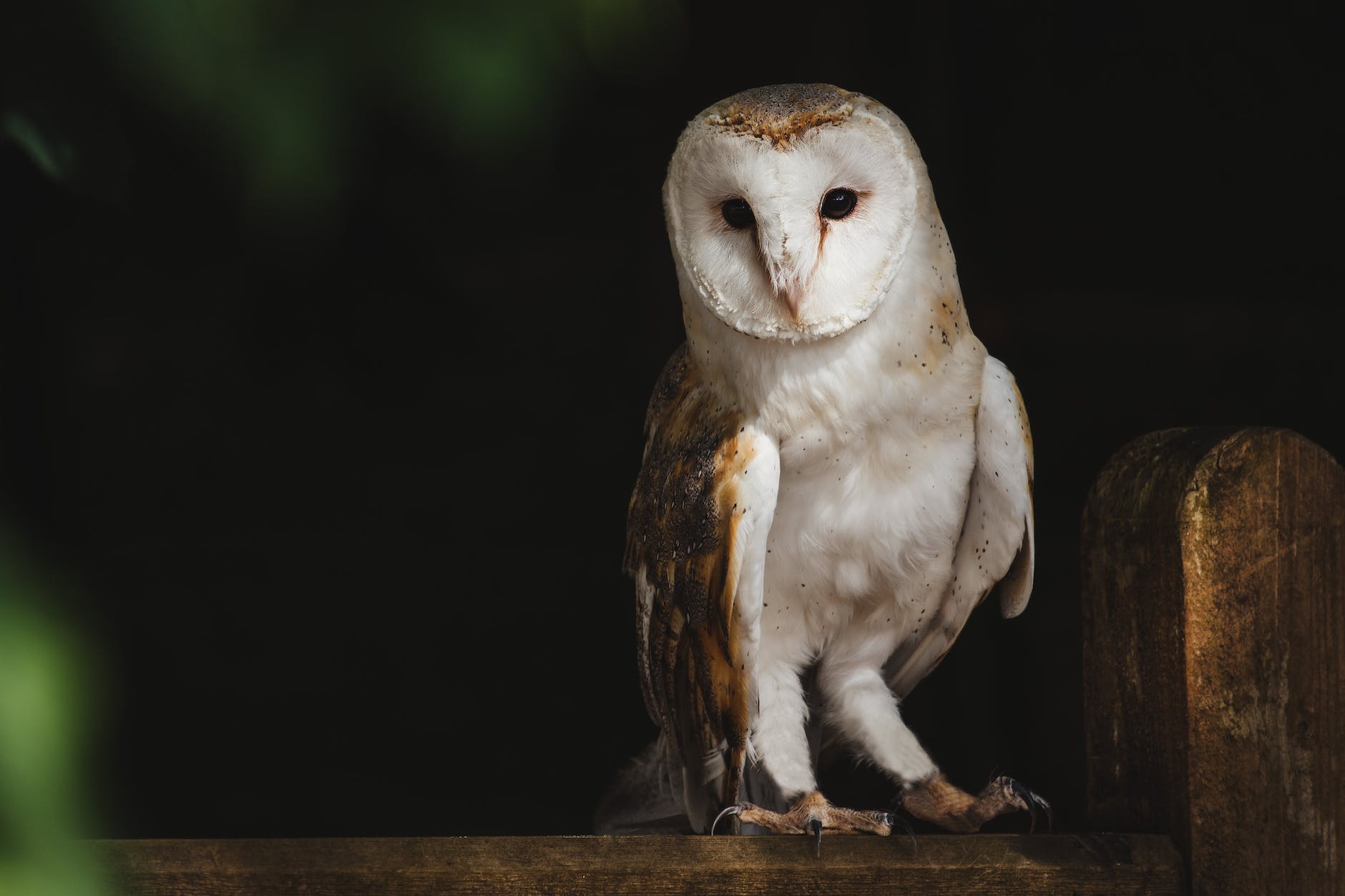
Owls are known for their distinct vocalizations, which vary widely among different species. Their calls serve various purposes, including territorial defense, courtship, and communication between family members. From the haunting hoots of the Great Horned Owl to the eerie screeches of the Barn Owl, these vocalizations add to the enigmatic charm of these nocturnal hunters.
5. Powerful Predators:
Owls are highly efficient hunters, thanks to their exceptional adaptations. Their sharp, curved beaks and strong talons enable them to capture and kill their prey swiftly. Owls primarily feed on small mammals, such as mice, voles, and rabbits, but they are also known to consume birds, reptiles, amphibians, and even large insects. Their ability to swallow their prey whole allows them to consume small animals entirely, regurgitating the indigestible parts, such as bones and fur, in the form of pellets.
6. Diverse Species:
The owl family, known as Strigidae, comprises more than 200 species distributed across the globe, inhabiting a wide range of environments. From the snowy realms of the Arctic to the dense rainforests of South America and the deserts of Africa, owls have adapted to various ecosystems and climates. Each species exhibits unique characteristics and adaptations that enable them to thrive in their specific habitats.
7. Symbolism and Folklore:
Owls have held symbolic significance and have been featured in myths and folklore in many cultures throughout history. They have been associated with wisdom, intuition, and mystery. In ancient Greek mythology, the owl was connected to Athena, the goddess of wisdom. In Native American folklore, owls are often regarded as messengers or guardians of the spirit world. These cultural associations have further elevated the allure of owls in human imagination.
8. Feathered Earmuffs:
Unlike most birds, owls have asymmetrical ear placements on their heads. One ear is positioned higher than the other, allowing them to locate the exact source of sounds with remarkable precision. This unique adaptation helps them pinpoint the location of their prey, even in complete darkness.
9. Hooting Variations:
While the classic hoot is commonly associated with owls, not all owls hoot in the same way. Each owl species has its distinctive vocalizations, ranging from the deep resonating hoots of the Barred Owl to the whinny-like calls of the Eastern Screech-Owl. Some owls even make non-vocal sounds, such as clapping their wings or bill-snapping, to communicate.
10. Superb Camouflage:
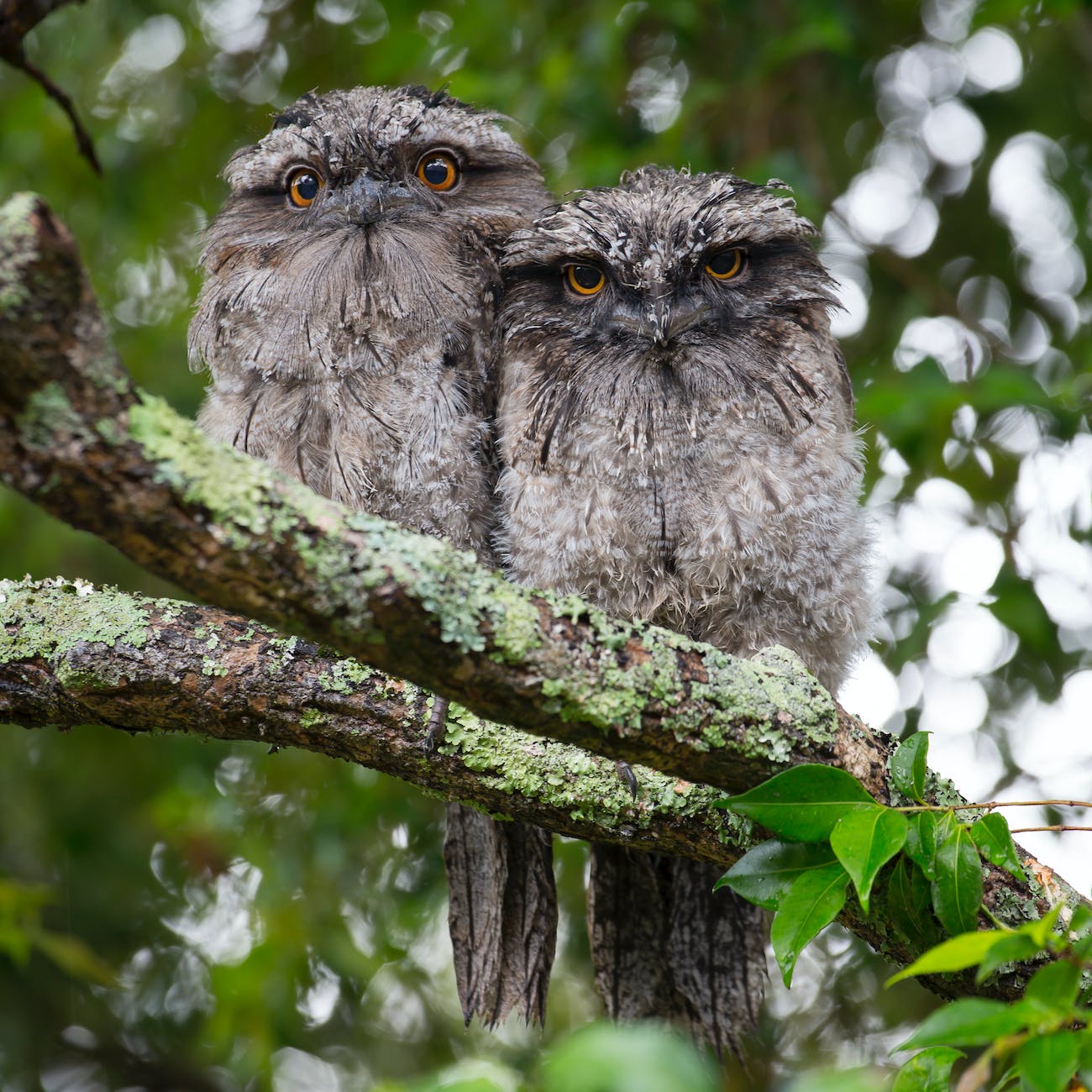
Owls are masters of camouflage, blending seamlessly into their surroundings. Their feathers are often patterned with intricate markings and colors that help them remain concealed during the day. Some owls, like the Snowy Owl, even change the color of their feathers to white during winter to match their snowy environment.
11. Marvelous Owl Eyes:
The eyes of owls are not only large but also fixed within their eye sockets. This means that owls cannot roll or move their eyes like humans can. However, they compensate for this limitation by having highly flexible necks, allowing them to rotate their heads and scan their surroundings effortlessly.

 Decoding Biosphere