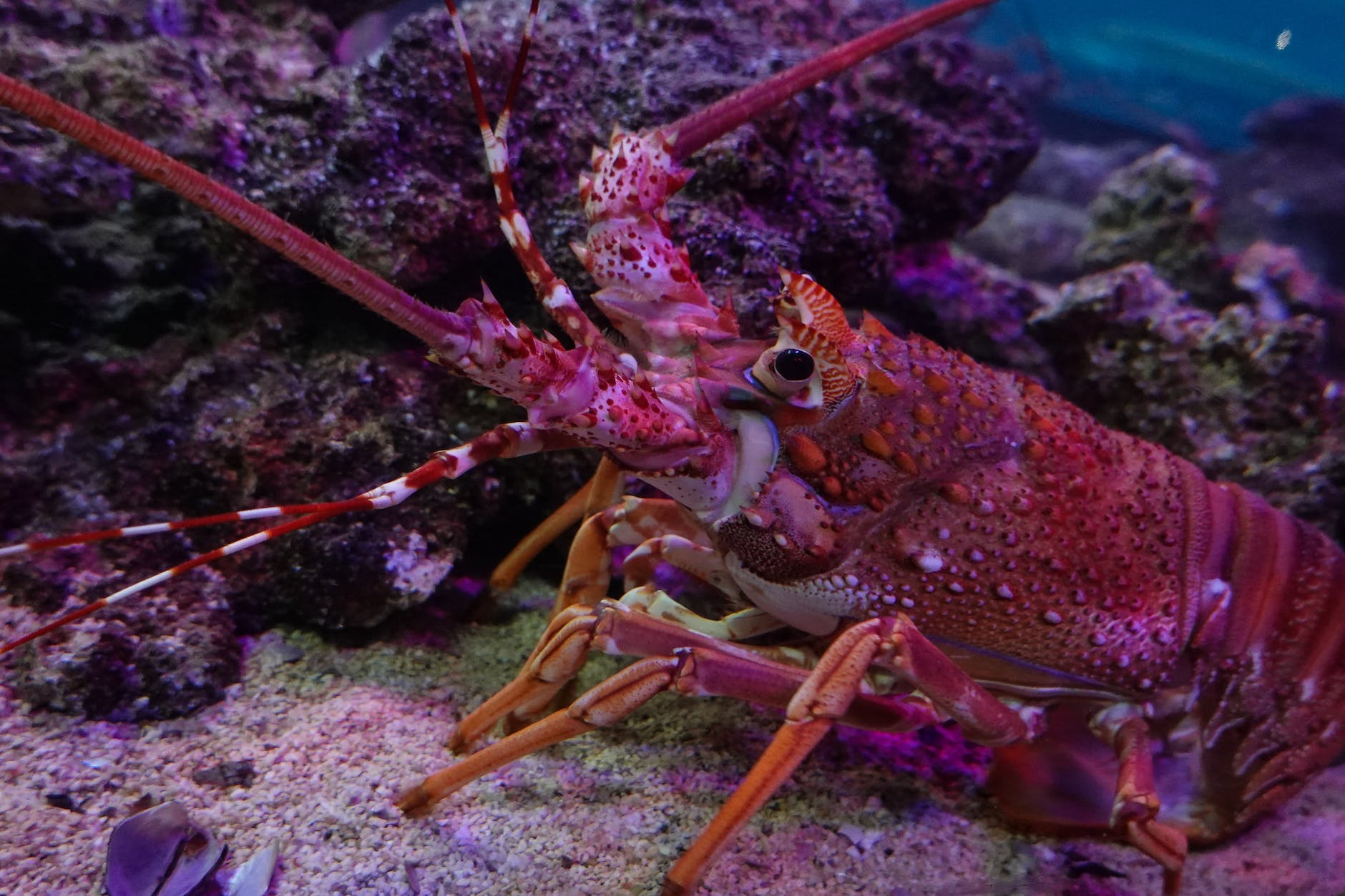
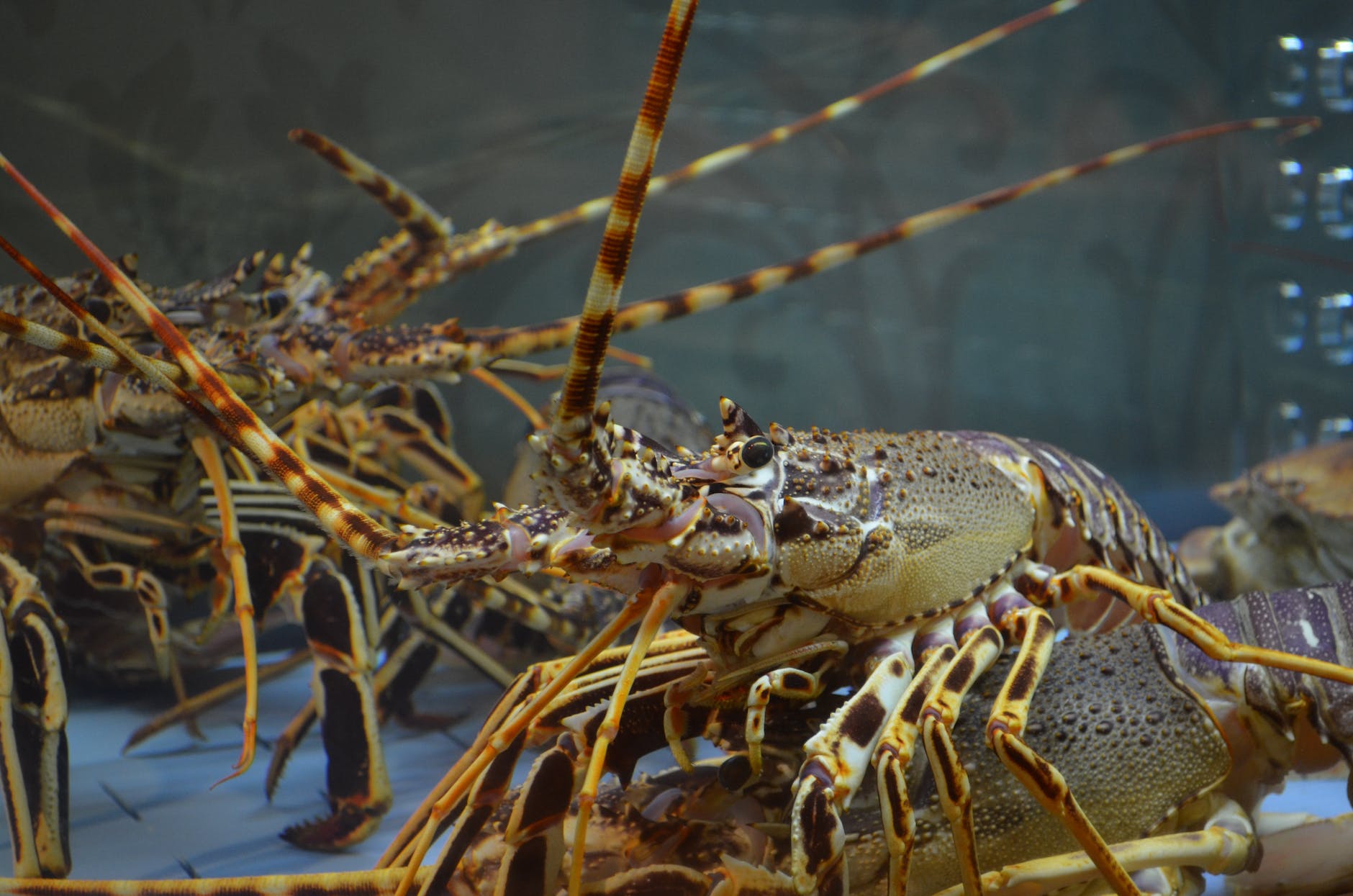
When it comes to crustaceans, few creatures catch our attention like lobsters. With their big size, interesting behavior, and delicious taste, lobsters have become a symbol of luxury and culinary joy. Come with us on an exploration of the amazing world of lobsters as we discover ten fascinating facts about these majestic sea creatures.
1. Ancient Survivors:
Lobsters have been around for millions of years, with fossils dating back over 100 million years. They have managed to survive and adapt to various environmental changes, making them one of the Earth’s oldest species.
2. Shapeshifting Masters:
As lobsters grow, they molt or shed their exoskeleton. During this process, they consume a large amount of food to form a new, larger shell underneath their old one. Once they shed their old exoskeleton, they are temporarily vulnerable until their new shell hardens.
3. Home Sweet Home:
Lobsters are known to be territorial creatures, often returning to the same shelter throughout their lives. They create their homes in rocky crevices, burrows, or even abandoned shells, providing them with protection from predators and a place to rest.
4. True Blue:
While most lobsters are a brownish-green color, some individuals exhibit a striking blue hue. This unusual coloration is caused by a genetic mutation that produces excessive amounts of a particular protein. Blue lobsters are incredibly rare, with estimates suggesting that only one in two million lobsters has this captivating color.
5. Age is Just a Number:
Lobsters are known for their impressive longevity. While there is no definitive way to determine their age, some experts estimate that lobsters can live for 50 years or more. The largest recorded lobster weighed over 44 pounds and was estimated to be around 140 years old!
6. Claws of Power:
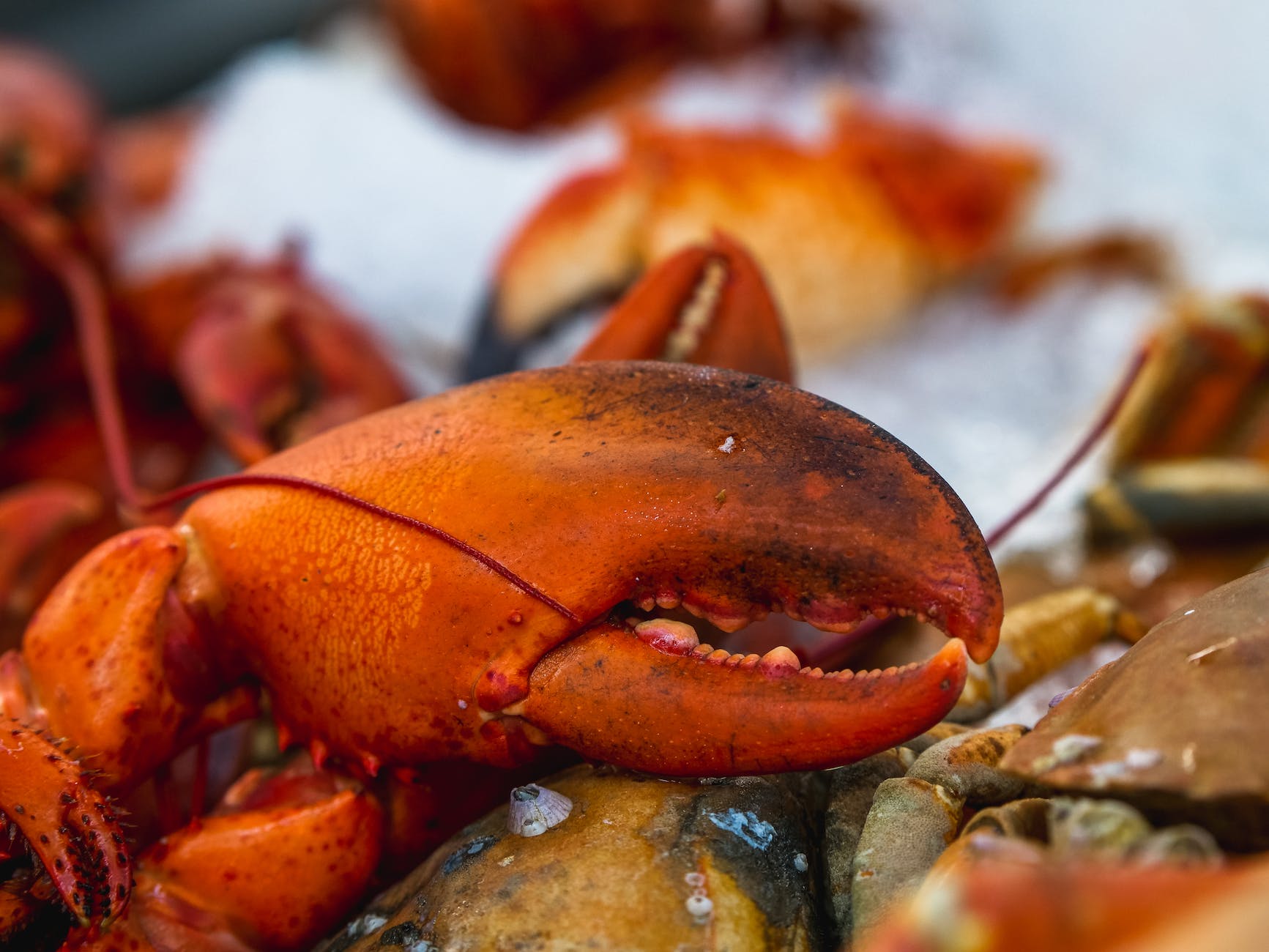
Lobsters possess powerful claws that serve various purposes. The larger claw, known as the crusher claw, is used to crack open shells and defend against predators. The smaller claw, called the cutter claw, is used for more delicate tasks, such as tearing food apart.
7. The Silent Symphony:
Lobsters communicate using a complex system of sounds and movements. They produce different sounds by vibrating their antennae, rubbing various body parts together, or even snapping their claws. These signals help them establish dominance, defend territory, or attract potential mates.
8. Taste the Sea:
Lobsters have a highly developed sense of taste and smell. They possess a specialized pair of appendages called maxillipeds that they use to detect and sample chemicals in the water. This ability helps them locate food, find potential mates, and avoid danger.
9. Clawed Lefties:
Just like humans, lobsters can be left- or right-handed. Their dominant claw, the one they prefer to use, can be on either side. However, studies suggest that most lobsters are right-handed, with the crusher claw on the right side.
10. Sustainable Seafood:
Lobsters are not only a culinary delicacy but also an example of sustainable seafood. Lobster fisheries often implement strict regulations and conservation practices to ensure the long-term health and abundance of lobster populations. These efforts help protect these magnificent creatures and maintain a healthy marine ecosystem.
You May Also Like

 Decoding Biosphere