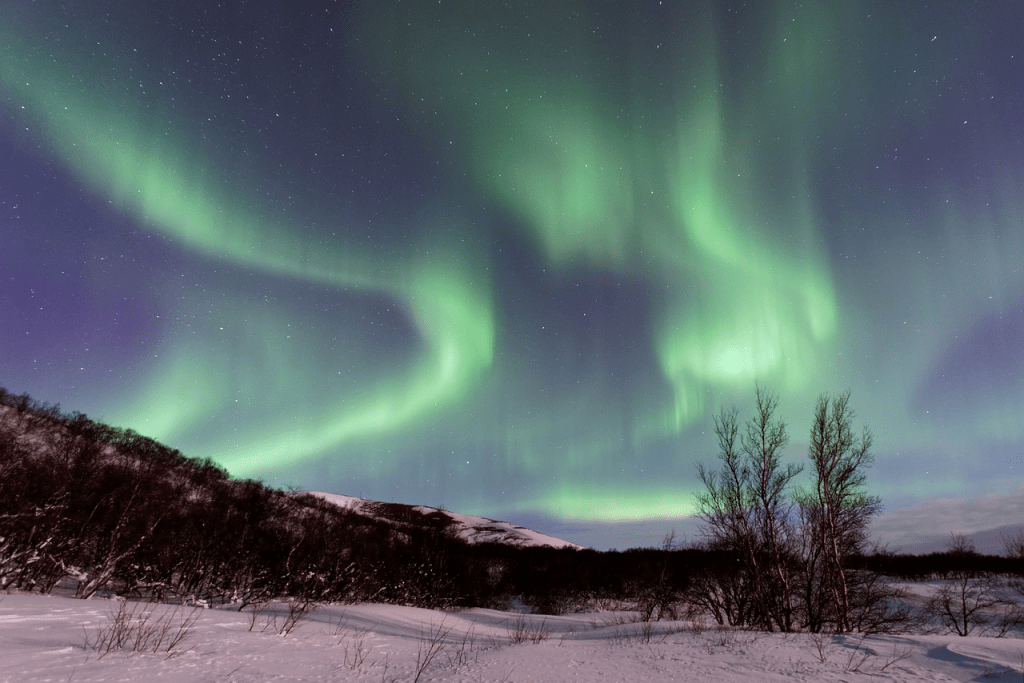
The Aurora Australis, also known as the Southern Lights, is a captivating natural light display that occurs in the southern hemisphere. Similar to the Aurora Borealis (Northern Lights) in the northern hemisphere, the Aurora Australis illuminates the night sky with vibrant colors and dancing curtains of light. In this article, we will delve into the science behind the Aurora Australis, its causes, locations, and the magical experience it offers to those fortunate enough to witness it.
Understanding the Phenomenon:
The Aurora Australis is a result of interactions between the Earth’s magnetic field and charged particles from the sun. When the sun releases high-energy particles during solar flares or coronal mass ejections, some of these particles are drawn toward the Earth’s magnetic poles. As these charged particles collide with atoms and molecules in the atmosphere, they release energy in the form of light, creating the stunning display of the Aurora Australis.
Colors and Patterns:
The colors of the Aurora Australis range from green to red, with occasional hints of pink, purple, and blue. These colors are produced when charged particles collide with oxygen and nitrogen atoms at different altitudes in the atmosphere. Green lights are most common and result from interactions with oxygen at lower altitudes, while red lights occur at higher altitudes. The colors, intensity, and patterns of the Aurora Australis vary depending on solar activity, atmospheric conditions, and viewing location.
Prime Viewing Locations:
The best places to witness the Aurora Australis are regions located close to the South Pole or at high latitudes in the southern hemisphere. Antarctica offers some of the most remarkable viewing opportunities, with its pristine, dark skies and minimal light pollution. Additionally, countries such as New Zealand, Australia, Argentina, and Chile, which lie closer to the Antarctic region, also provide opportunities to experience the Aurora Australis under optimal conditions.
Chasing the Southern Lights:
Due to the unpredictable nature of the Aurora Australis, seeing this breathtaking phenomenon requires patience and a bit of luck. Solar activity, weather conditions, and the absence of light pollution are key factors that contribute to optimal viewing opportunities. It is recommended to plan visits to regions known for their dark skies during periods of high solar activity, such as during the equinoxes or periods of increased solar flares. Local weather forecasts and aurora tracking apps can also assist in determining the best times for viewing.
Cultural Significance:
The Aurora Australis holds cultural significance for many indigenous communities in the southern hemisphere. For example, the Māori people of New Zealand believe that the lights represent the spirits of their ancestors, while some indigenous Australian cultures associate the Aurora Australis with mythical stories and spiritual connections to the land. These cultural narratives add an extra layer of wonder and awe to the already enchanting natural phenomenon.
Take Away Points:
The Aurora Australis, or Southern Lights, is a mesmerizing natural phenomenon that showcases the beauty and grandeur of our planet. From its vibrant colors to its dancing lights, this celestial display leaves observers in awe of the Earth’s interconnectedness with the cosmos. While witnessing the Aurora Australis requires some planning and luck, the experience of seeing these ethereal lights dancing across the night sky is a memory that lasts a lifetime. Whether you are an avid photographer, a nature enthusiast, or simply in search of natural wonders, the Aurora Australis offers a captivating spectacle that truly showcases the magnificence of our planet.
You May Also Like
- How Plastic Pollution Is Choking Our Oceans And 12 Real Ways You Can Fix It

- 2025 Outlook: Top Global Trends Shaping the Future of Tech, Lifestyle, Sustainability and Culture

- 10 Eco-Friendly Gift Ideas for People Who Care About the Planet

- Audiobooks vs E-books: Which Is More Eco-Friendly?

- Why Audiobooks Are the Most Sustainable Way to Learn


 Decoding Biosphere