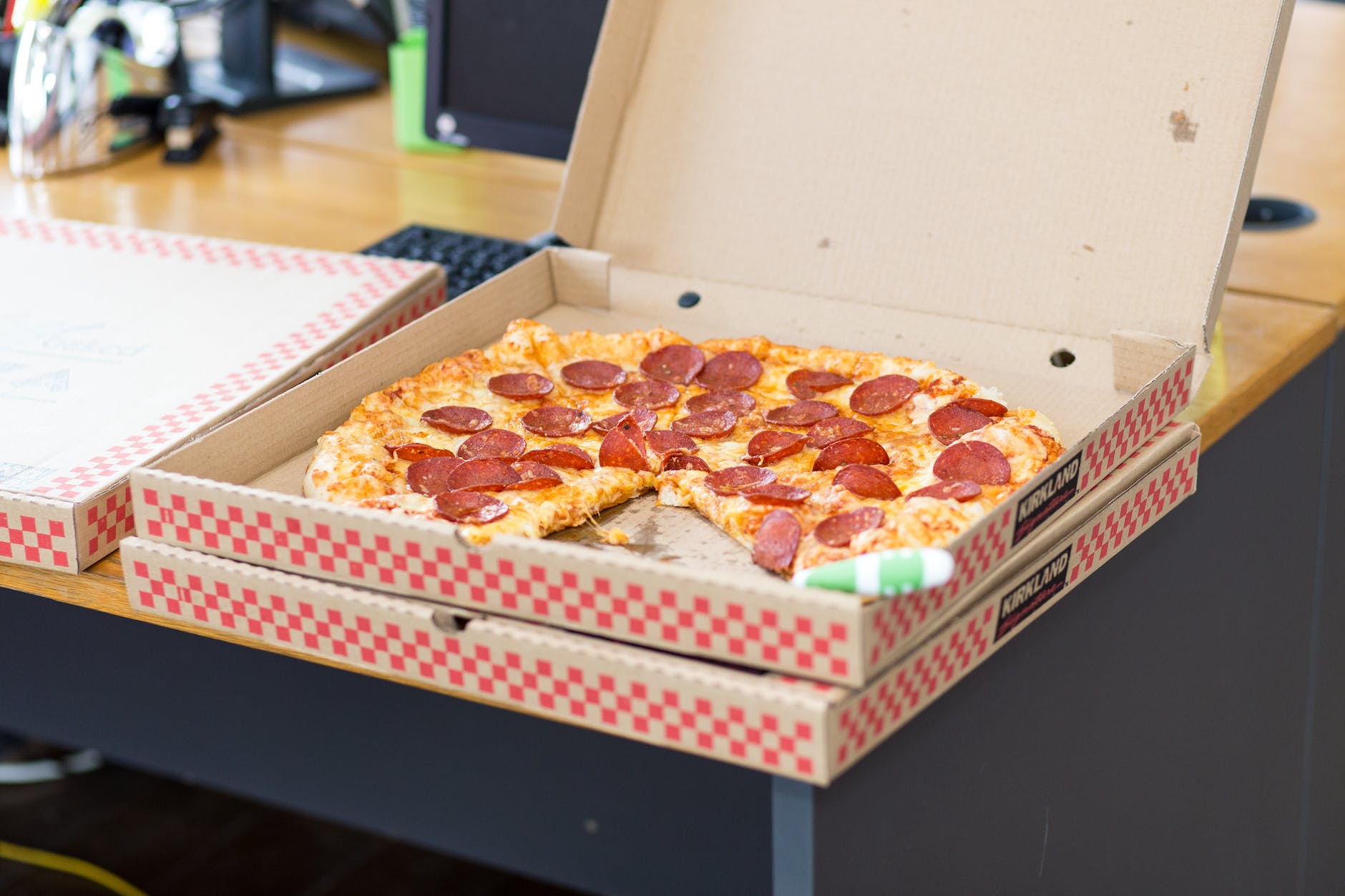
Pizza is a beloved food enjoyed by millions around the world, often delivered in boxes that quickly accumulate after a delicious meal. When it comes to sustainability and waste reduction, the question arises: Are pizza boxes recyclable? In this article, we will explore the intricacies of pizza box recycling, addressing common concerns and shedding light on best practices for responsible disposal.
Understanding Pizza Boxes:
Pizza boxes are typically made of corrugated cardboard, a material known for its strength and durability. These boxes are designed to keep pizzas fresh and protect them during delivery. However, due to the potential for grease and food residue, pizza boxes present unique challenges when it comes to recycling.
Contamination Concerns:
One of the primary factors affecting pizza box recyclability is the potential for contamination. Grease and food residue can seep into the cardboard, compromising the recycling process. The presence of oil and food particles can damage recycling equipment, reduce the quality of recycled paper, and contaminate other recyclables in the sorting process.
Recycling Guidelines for Pizza Boxes:
While it’s important to note that recycling guidelines can vary by location, here are some general guidelines for pizza box recycling:
- Cleanliness: If the pizza box is relatively clean, without excessive grease or food residue, it can typically be recycled. Remove any leftover pizza slices, napkins, or other non-cardboard items before recycling.
- Contamination Assessment: Assess the level of contamination in the box. If only a small portion of the box is greasy or soiled, consider tearing off the clean part and recycling it separately.
- Grease-Stained Boxes: If the pizza box is heavily stained with grease, it is best to avoid recycling it. Grease can disrupt the recycling process and lower the quality of the resulting recycled paper.
- Cardboard Inserts: Many pizza boxes come with cardboard inserts or liners to provide additional support. These inserts can typically be recycled separately from the main pizza box.
Alternative Uses for Pizza Boxes:
Even if a pizza box is not suitable for recycling, there are alternative ways to give it a second life:
- Composting: If you have access to a composting facility or engage in home composting, you can compost pizza boxes that are free from any non-compostable materials, such as stickers or adhesives.
- Reuse and Upcycling: Consider repurposing pizza boxes for various purposes, such as storage, organizing drawers, or arts and crafts projects. Cut off the clean parts and use them creatively before discarding the soiled portions.
- Local Programs: Some communities or organizations offer specific recycling programs for pizza boxes or grease-stained cardboard. Research local recycling options or contact your waste management authority to inquire about any specialized programs available in your area.
Educating Consumers and Businesses:
To improve pizza box recycling rates, education is key. Both consumers and businesses play a crucial role in promoting responsible recycling practices:
- Consumer Awareness: Inform consumers about the importance of clean pizza box recycling. Encourage them to remove any non-recyclable items and assess the level of grease or contamination before recycling.
- Business Initiatives: Pizza establishments can use recyclable or compostable pizza box alternatives that are specifically designed to prevent grease absorption. Implementing such initiatives can reduce contamination and improve overall recycling rates.
Take Away Points:
Pizza boxes can be recyclable under certain conditions, primarily when they are free from excessive grease and food residue. However, contamination remains a significant challenge. It is essential to follow local recycling guidelines and assess the cleanliness of the box before recycling. If recycling is not an option, consider composting or finding alternative uses for pizza boxes to extend their lifespan. By practicing responsible disposal habits and raising awareness about pizza box recycling, we can reduce waste, conserve resources, and contribute to a more sustainable future.

 Decoding Biosphere