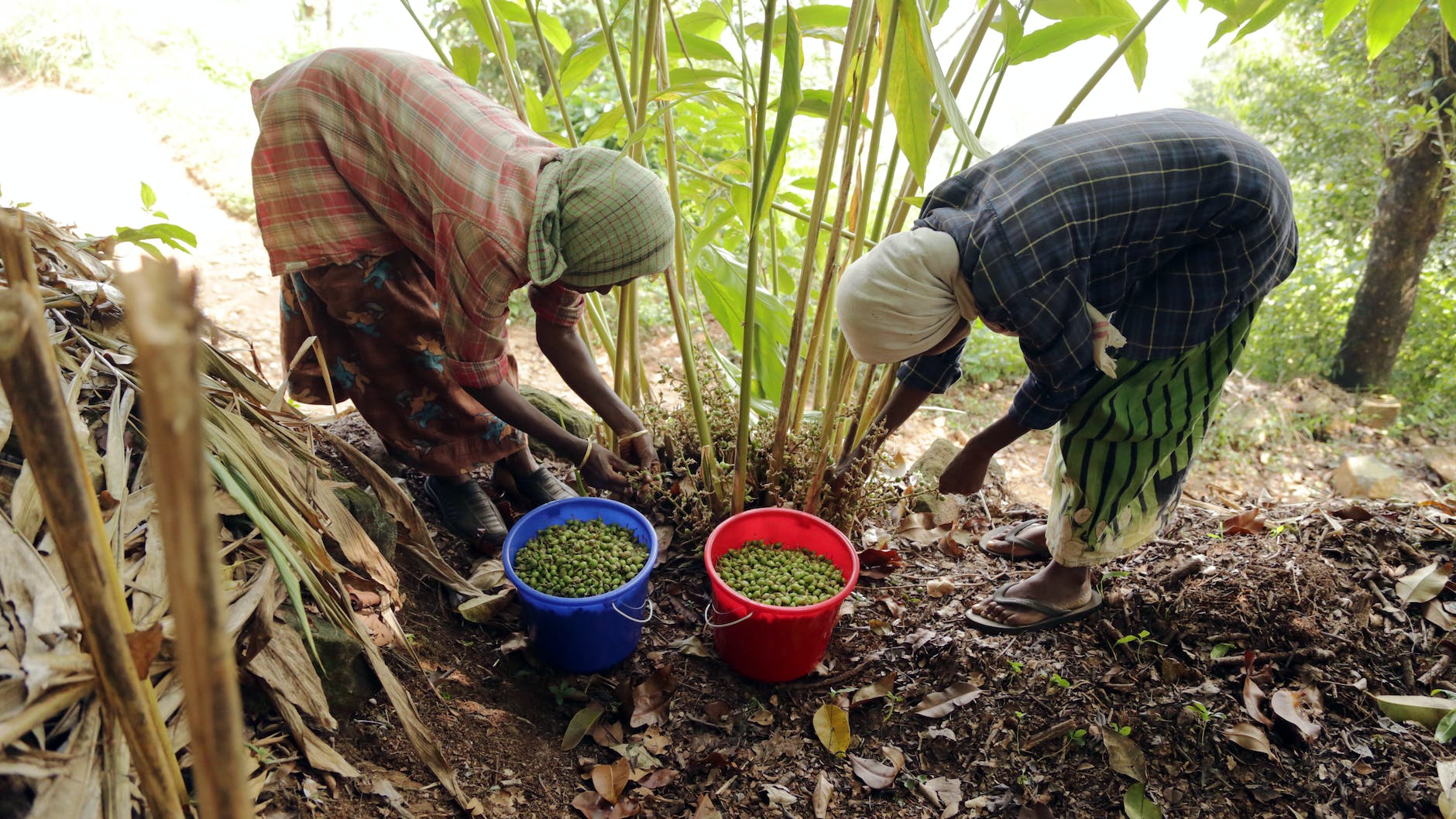
Agroforestry is an innovative land-use system that combines agricultural practices with the cultivation of trees and other woody perennials. It represents a sustainable and holistic approach that harmonizes the benefits of both agriculture and forestry. In this article, we will explore the concept of agroforestry, its principles, practices, and the multitude of benefits it offers for the environment, livelihoods, and biodiversity.
Understanding Agroforestry:
Agroforestry involves the deliberate and integrated management of trees, crops, and livestock on the same piece of land. Unlike conventional agriculture, which often focuses on monocultures and eliminates trees, agroforestry recognizes the inherent value and potential of trees in enhancing agricultural productivity and environmental sustainability. It seeks to create synergies between agricultural practices and the multiple functions provided by trees.
Principles of Agroforestry:
- Biodiversity and Ecosystem Services: Agroforestry systems promote biodiversity by providing habitats for a wide range of plants, animals, and microorganisms. The diverse vegetation structure, created by the combination of trees, crops, and livestock, supports a variety of ecological niches and enhances ecosystem resilience. Agroforestry also contributes to ecosystem services such as carbon sequestration, soil conservation, water regulation, and improved air quality.
- Multifunctionality and Complementary Interactions: Agroforestry aims to maximize the productive potential of land by harnessing the complementarity and synergistic interactions between trees and other agricultural components. For example, shade-providing trees can protect crops from excessive heat, reduce evaporation, and enhance water-use efficiency. Trees can also contribute to nutrient cycling, provide fodder for livestock, and yield valuable products like timber, fruits, or medicinal plants.
Types of Agroforestry Systems:
- Alley Cropping: In alley cropping, wide-spaced rows of trees are planted alongside crops. The trees provide shade, windbreak, and nutrient inputs, while the open alleys allow sunlight penetration for crop growth. This system is suitable for a variety of crops, including vegetables, grains, and legumes.
- Silvopasture: Silvopasture integrates trees, forage crops, and livestock grazing. Trees offer shade, shelter, and browse for animals, while the livestock provide natural fertilization for the system. Silvopasture can enhance animal welfare, improve forage productivity, and sequester carbon.
- Forest Farming: Forest farming involves cultivating crops beneath a forest canopy or within the understory of existing forests. This system utilizes the shade-tolerant crops and medicinal plants, while the trees provide a stable microclimate and additional economic opportunities through timber or non-timber forest products.
Benefits of Agroforestry:
- Enhanced Resilience and Climate Change Mitigation: Agroforestry systems contribute to climate change mitigation by sequestering carbon dioxide in trees and soils. The diverse vegetation structure helps buffer against extreme weather events, such as drought or storms, reducing the vulnerability of agricultural systems.
- Increased Productivity and Income Generation: Agroforestry can increase overall agricultural productivity by improving soil fertility, water availability, and nutrient cycling. The integration of trees provides additional income streams through timber, fruits, nuts, and other marketable products, thereby diversifying livelihood options for farmers.
- Conservation of Biodiversity and Soil Health: Agroforestry systems create habitats and corridors for wildlife, promoting biodiversity conservation. The tree cover reduces soil erosion, improves soil structure, and enhances nutrient retention, leading to healthier soils and long-term agricultural sustainability.
Take Away Points:
Agroforestry represents a transformative approach to land management, aligning agriculture and forestry in a harmonious and sustainable manner. By combining the productivity of agriculture with the environmental benefits of trees, agroforestry systems offer a pathway towards resilient and ecologically sound agricultural practices. The multifunctional nature of agroforestry not only enhances livelihoods and food security but also contributes to climate change mitigation, biodiversity conservation, and the overall health of our planet. Embracing and promoting agroforestry practices can pave the way for a greener and more sustainable future for generations to come.

 Decoding Biosphere