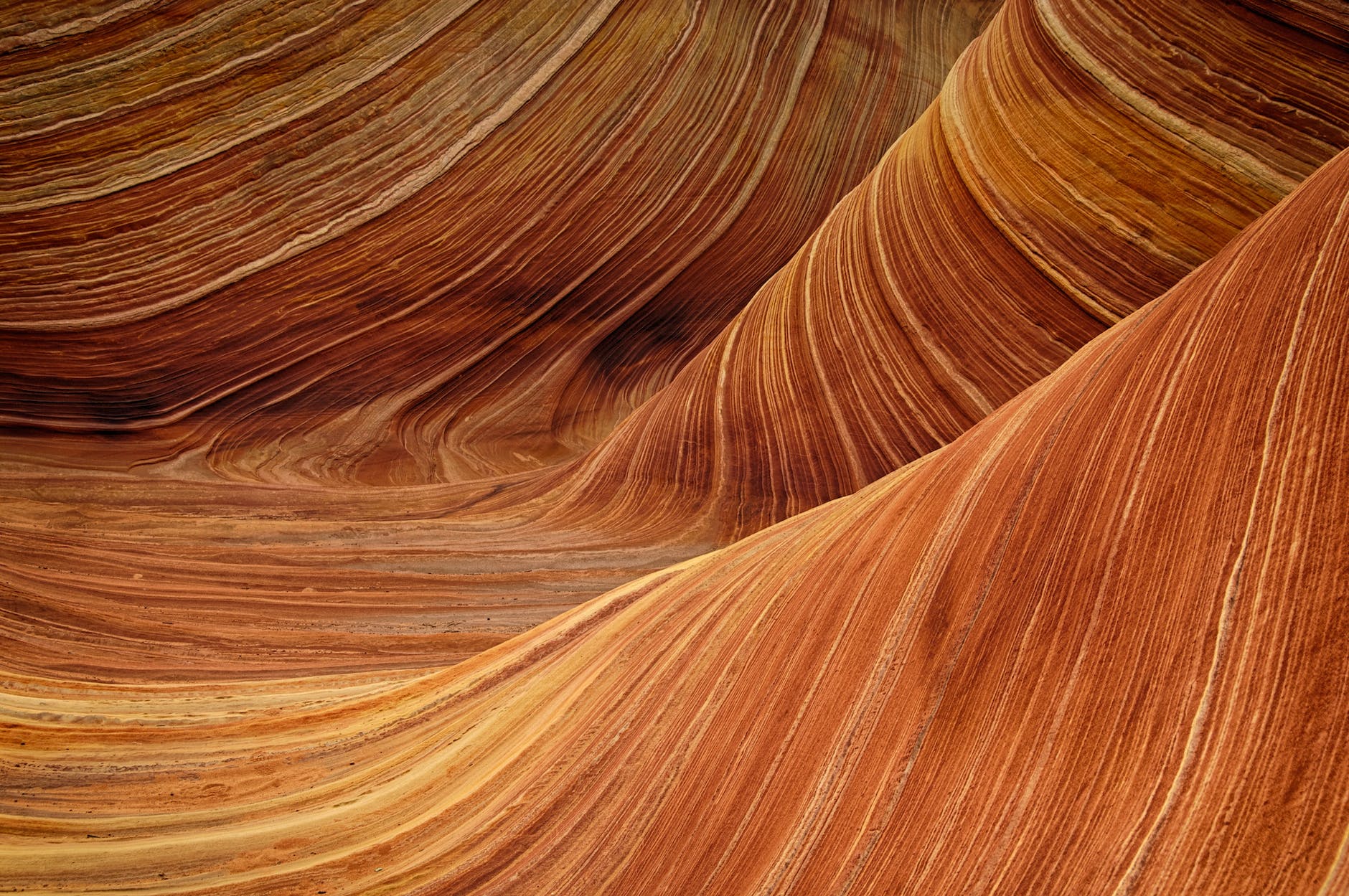
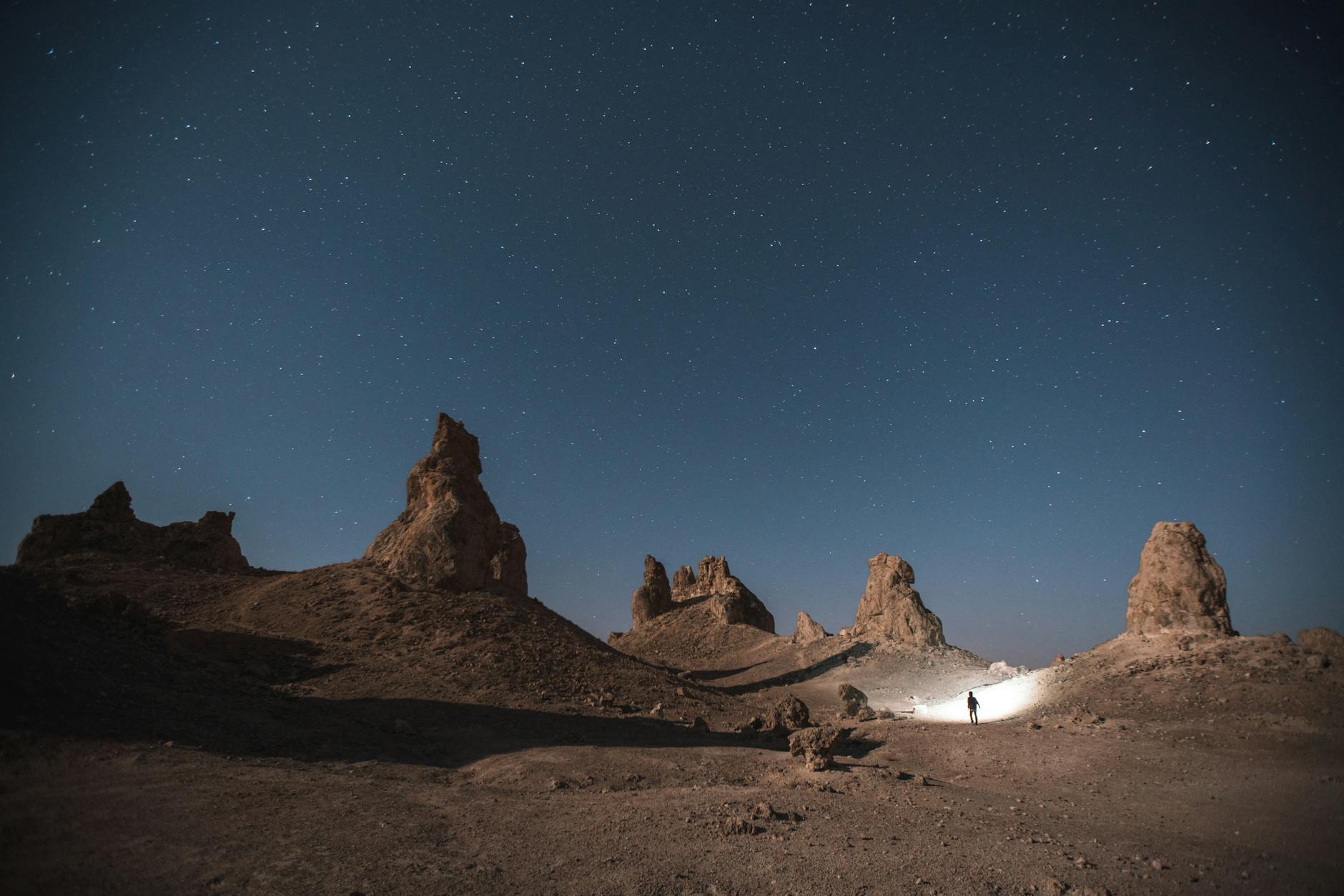
Erosion shapes the Earth’s surface over time, carving valleys, cliffs, and canyons through the relentless force of wind, water, and ice. In this article, we’ll explore what erosion is, the different types of erosion, the causes behind it, and the effects it has on the environment and landscapes around us.
What is Erosion?
Erosion is the process by which soil, rock, and other materials are gradually worn away and transported from one place to another by natural forces. These forces can include wind, water, ice, and gravity, all working together to reshape the landforms of our planet.
Types of Erosion
- Water Erosion: Water erosion is one of the most common and powerful forms of erosion. It occurs when moving water, such as rivers, streams, and rain runoff, wears away soil and rock from the Earth’s surface. Water erosion can create features like gullies, river valleys, and waterfalls.
- Wind Erosion: Wind erosion happens when strong winds pick up and carry loose particles of soil and sand, depositing them in other locations. Wind erosion is most common in arid and semi-arid regions, where sparse vegetation and dry conditions leave the soil vulnerable to blowing winds.
- Glacial Erosion: Glacial erosion occurs when glaciers, massive sheets of ice, move across the landscape, scraping and carving away the underlying rock and soil. Glacial erosion creates distinctive landforms such as U-shaped valleys, fjords, and moraines.
- Coastal Erosion: Coastal erosion is the wearing away of coastal landforms by the relentless action of waves, tides, and currents. It can result in the loss of beaches, cliffs, and dunes, as well as the reshaping of coastlines over time.
- Gravity Erosion: Gravity erosion, also known as mass wasting, occurs when gravity causes soil and rock to move downhill. This can happen in the form of landslides, rockfalls, and slumps, particularly in steep or unstable terrain.
Causes of Erosion
- Natural Processes: Erosion is a natural process that has been shaping the Earth’s surface for millions of years. Factors such as rainfall, wind patterns, temperature fluctuations, and geological forces all contribute to the erosion of landscapes over time.
- Human Activities: Human activities, such as deforestation, agriculture, urbanization, and construction, can accelerate erosion rates and exacerbate its effects on the environment. Clearing forests, plowing fields, and building roads can remove vegetation and disturb soil, making it more susceptible to erosion by water and wind.
- Climate Change: Climate change can also influence erosion patterns by altering precipitation patterns, increasing the frequency of extreme weather events, and raising sea levels. These changes can lead to more intense rainfall, stronger storms, and higher rates of coastal erosion in vulnerable areas.
- Poor Land Management Practices: Poor land management practices, such as overgrazing, improper irrigation, and inadequate soil conservation measures, can contribute to erosion by degrading soil quality, reducing vegetation cover, and increasing the risk of soil erosion and sediment runoff.
Effects of Erosion
- Loss of Soil Fertility: Soil erosion can lead to the loss of fertile topsoil, which is essential for plant growth and agriculture. As soil is eroded away, nutrients are lost, and the land becomes less productive, leading to reduced crop yields and food insecurity.
- Sedimentation: Eroded soil and sediment can accumulate in rivers, lakes, and reservoirs, leading to sedimentation and reduced water quality. Excess sediment can smother aquatic habitats, degrade water clarity, and disrupt aquatic ecosystems.
- Habitat Destruction: Erosion can result in the loss of habitat for plants and animals, particularly in fragile ecosystems such as wetlands, forests, and coastal areas. As land is eroded away, wildlife habitats are destroyed, and biodiversity declines.
- Landform Changes: Erosion can dramatically alter the shape and structure of landforms, creating new features such as valleys, canyons, and deltas, while also destroying existing landscapes and cultural heritage sites.
- Increased Flooding: Erosion can increase the risk of flooding by removing vegetation cover and disrupting natural drainage patterns. Without vegetation to absorb rainfall and stabilize soil, water runoff can accelerate erosion and lead to flash floods and mudslides.
- Loss of Economic Resources: Erosion can have significant economic impacts by reducing land productivity, damaging infrastructure, and increasing the cost of erosion control measures. In agricultural areas, soil erosion can result in reduced crop yields and loss of income for farmers.
You May Also like

 Decoding Biosphere