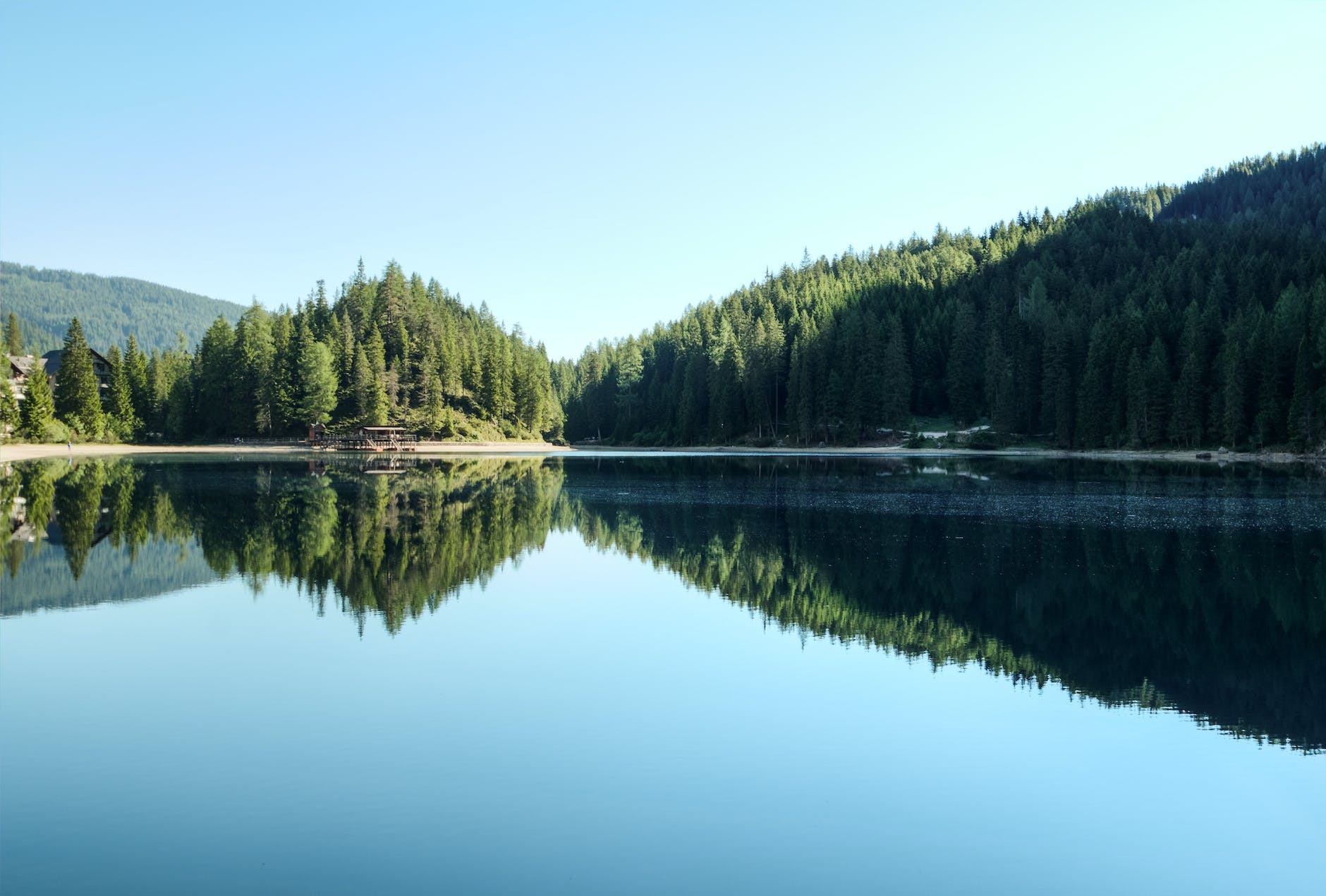
Every inch of the Earth’s surface consists of one or more biomes. A biome is a formation of flora and fauna (plants and animals) that share common characteristics due to similar climates. These distinct communities have developed special adaptations to their particular climate. It’s essential to note that biomes should not be confused with habitats; a biome can encompass a wide range of habitats.
What Is the Freshwater Biome?
The freshwater biome is a large community of flora and fauna that inhabit water bodies with low salt content—usually less than 1%. Examples of freshwater biomes include lakes, ponds, streams, rivers, and even some wetlands. Unlike marine biomes, which exist in saltwater bodies such as oceans and seas, freshwater biomes thrive in environments where salt levels are minimal.
Climate of Freshwater Biomes
- Distribution and Unevenness: Freshwater biomes make up only 0.8% of the Earth’s total water, and this water is unevenly distributed across the globe. Consequently, the climate of freshwater biomes varies depending on the region. Averagely, winter temperatures range from 65°F to 75°F in summer and 35°F to 45°F in winter.
- Factors Influencing Climate: The climate within freshwater biomes depends on several factors, including season, location, and water depth. As water depth increases, temperatures tend to drop. This phenomenon is more pronounced in lakes, where water movement is relatively less compared to streams or rivers.
Precipitation in Freshwater Biomes
- Regional Variation: Precipitation in freshwater biomes varies based on the biome’s location. Most wetlands are situated in temperate zones, receiving higher precipitation. Rivers and lakes in valleys and mountainous regions may experience less precipitation.
- Average Precipitation: On average, freshwater biomes receive 10 to 80 inches of precipitation per year.
Freshwater Biome Plants
- Adaptations: Freshwater biome plants are influenced by several factors, including water depth, rate of water flow, water quality, and temperature. Sunlight plays a crucial role in supporting plant growth in this biome.
- Vegetation Zones:
- Littoral Zone: The near-shore layer of a lake where vegetation thrives.
- Submerged Plants: These grow underwater, providing habitat and oxygenating the water.
- Emergent Plants: Found at the water’s edge, these plants tolerate wet conditions.
- Common Freshwater Plants:
- Water Hyacinth (Eichhornia crassipes): Known for its bright lavender-blue flowers and glossy leaves. It can become invasive due to rapid growth.
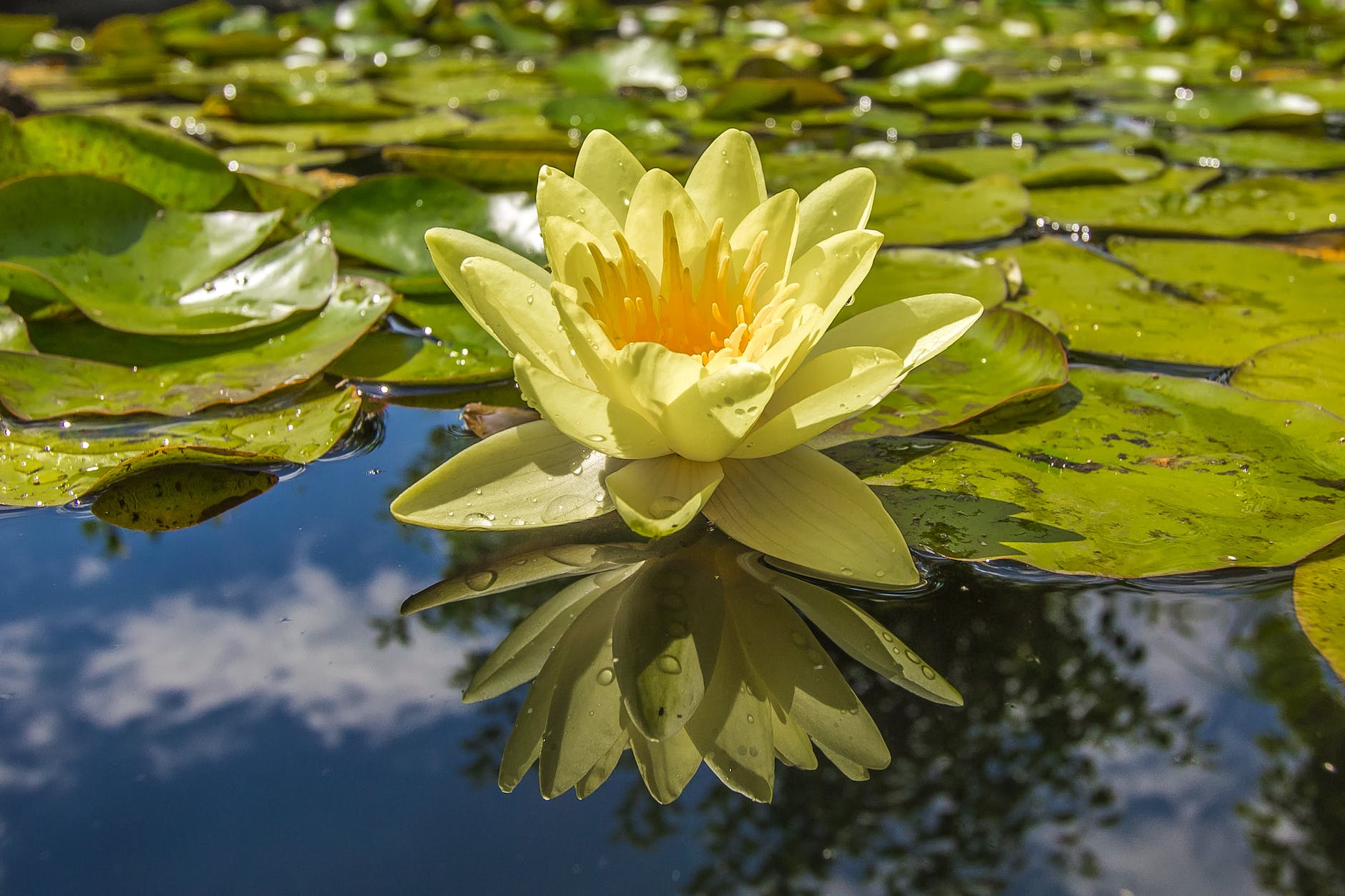
- Water Lily (Nymphaea spp.): Iconic floating plant with large leaves and fragrant flowers.
- Lotus (Nelumbo spp.): Sacred in Asian religions, with stunning pink or white flowers.
- Seagrasses (Thalassia, Zostera): Adapted to complete submersion in seawater, forming extensive underwater meadows.
Freshwater Biome Animals
The freshwater biome supports a rich diversity of animal life, ranging from microscopic plankton to large vertebrates such as fish, amphibians, and mammals. Some common animals found in freshwater habitats include:

- Fish: Freshwater fish are a diverse group of species adapted to a wide range of aquatic environments, including lakes, rivers, streams, and wetlands. From colorful tropical fish found in coral reefs to cold-water trout in mountain streams, freshwater fish exhibit a remarkable diversity of shapes, sizes, and behaviors.
- Amphibians: Amphibians, such as frogs, toads, and salamanders, are highly adapted to freshwater habitats, where they breed and lay their eggs in aquatic environments. Many amphibians undergo metamorphosis, transitioning from aquatic larvae to terrestrial adults, making freshwater habitats critical for their life cycle.
- Invertebrates: Freshwater invertebrates, including insects, crustaceans, mollusks, and worms, are abundant and diverse in freshwater ecosystems. They play essential roles in nutrient cycling, food webs, and ecosystem functioning, serving as food for fish and other aquatic organisms while contributing to decomposition and nutrient recycling.
- Mammals: Freshwater habitats are home to a variety of mammalian species, including river otters, beavers, muskrats, and manatees. These mammals rely on freshwater ecosystems for food, shelter, and breeding grounds, making them integral components of freshwater food webs and ecosystems.
Types of Freshwater Biomes
Freshwater biomes can be classified into several distinct types based on their characteristics, including water flow, depth, and chemistry. Some common types of freshwater biomes include:
- Lakes and Ponds: Lakes and ponds are standing water bodies that vary in size, depth, and nutrient levels. They can be found in diverse geographic regions, from mountainous landscapes to low-lying plains. Lakes tend to be deeper and larger than ponds, with less fluctuation in water levels.
- Rivers and Streams: Rivers and streams are flowing water bodies that originate from various sources, including springs, snowmelt, and rainfall. They can be found in a wide range of habitats, from mountainous regions to coastal plains. Rivers and streams support diverse aquatic life and provide vital ecosystem services, such as water supply, habitat, and transportation.
- Wetlands: Wetlands are transitional ecosystems characterized by saturated soils and standing water. They include marshes, swamps, bogs, and fens, each with its unique hydrology, vegetation, and wildlife. Wetlands are among the most biologically productive ecosystems on Earth, providing habitat for a wide range of plant and animal species.
- Oxbow Lakes: Oxbow lakes are U-shaped water bodies that form when a meandering river changes course, leaving behind a curved lake or pond. These oxbow lakes are often rich in biodiversity and provide critical habitat for fish, birds, and other aquatic organisms.
In summary, freshwater biomes are vital ecosystems that support diverse life forms. Understanding their climate, plants, animals, and types is crucial for conservation efforts and maintaining a healthy planet.
Source:
- https://www.buildastash.com/post/freshwater-biome-facts-climate-location-plants-animals
- https://earthandhuman.org/freshwater-biomes/
- https://www.treehugger.com/freshwater-biome-6361490
You May Also Like

 Decoding Biosphere