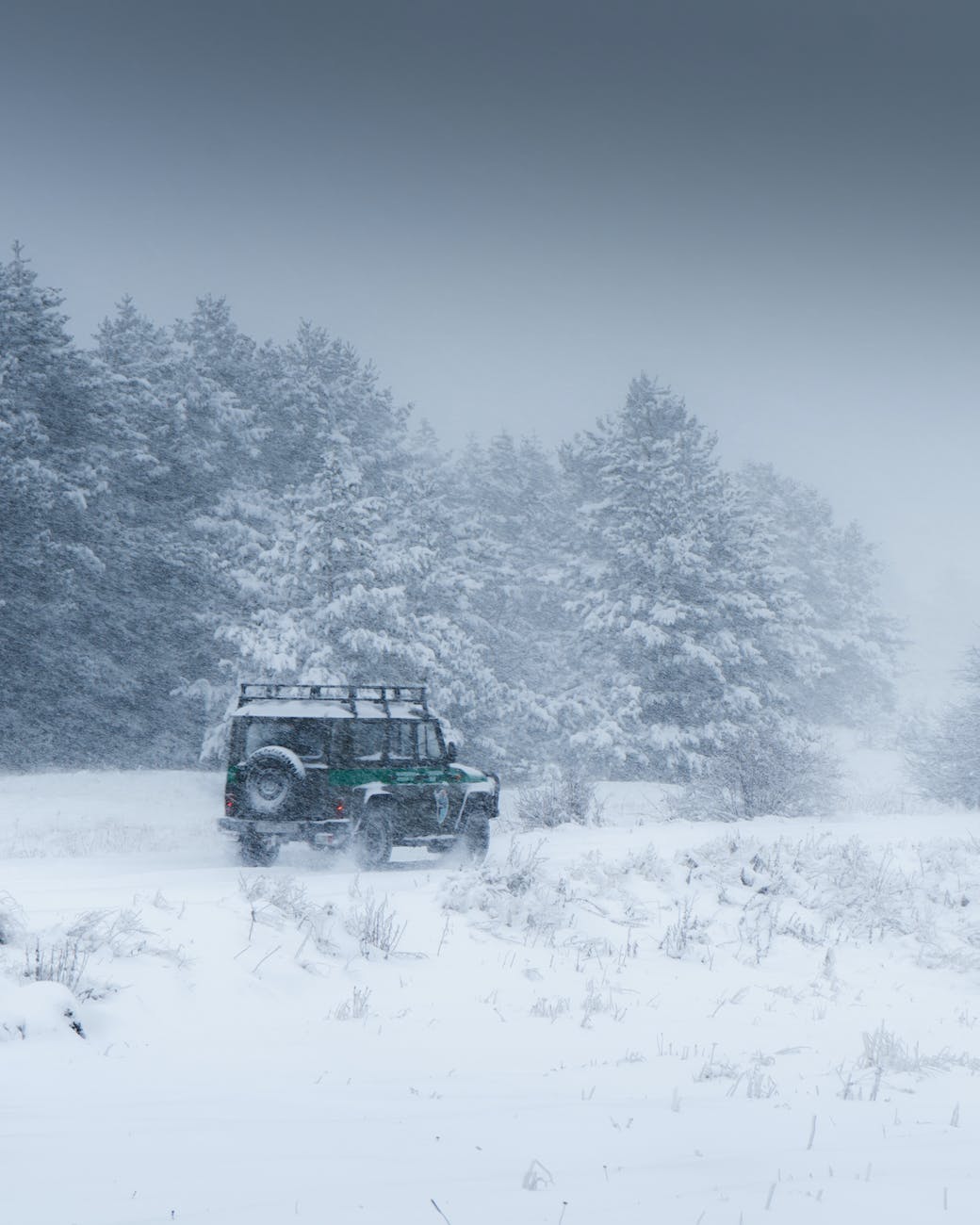
When winter unleashes its full force, few natural phenomena rival the intensity of a blizzard. Blizzards are not just any snowstorm; they are a combination of powerful winds, heavy snowfall, and biting cold temperatures that can wreak havoc on both rural and urban areas. In this article, we’ll explore what blizzards are, their characteristics, and essential tips to stay safe during these icy tempests.
What is a Blizzard?
A blizzard is an extreme winter weather event characterized by strong winds (at least 35 miles per hour) and blowing or falling snow that reduces visibility to less than a quarter of a mile for an extended period (usually at least three hours). The combination of fierce winds and abundant snowfall creates treacherous conditions, making travel difficult and causing significant dangers to both humans and animals.
Blizzard Formation
Blizzards typically develop when a mass of cold, arctic air collides with a moist, warmer air mass. The warm air rises over the cold air, causing precipitation in the form of snow. The strong temperature contrast creates a low-pressure system, which, when combined with high winds, leads to blizzard conditions.
Effects of Blizzards
- Heavy Snowfall: Blizzards are characterized by heavy snowfall, which can lead to the accumulation of large amounts of snow in a short period. This can cause transportation disruptions, road closures, and blockages of essential infrastructure.
- Reduced Visibility: Blizzards bring strong winds that pick up loose snow and create blowing snow. The combination of falling and blowing snow reduces visibility significantly, making it difficult and dangerous to travel.
- Snowdrifts: The high winds associated with blizzards can lead to the formation of snowdrifts. Snowdrifts can become quite large and obstruct roads, making them impassable and posing challenges for snow removal efforts.
- Frostbite and Hypothermia: The bitter cold temperatures during blizzards can expose people to the risk of frostbite and hypothermia if they are not adequately protected and properly dressed.
- Power Outages: Heavy snow and strong winds can cause tree branches to snap and fall on power lines, leading to power outages for extended periods. This can disrupt daily life and create dangerous situations, particularly in areas with extreme cold temperatures.
- Impact on Agriculture: Blizzards that occur during the growing season can have a detrimental impact on crops. Heavy snow and freezing temperatures can damage or destroy crops, leading to significant economic losses for farmers.
- Disruption of Transportation: Blizzards can disrupt various modes of transportation, including roads, railways, and air travel. Airport closures and flight cancellations are common during severe blizzards.
- School and Business Closures: Blizzards often result in the closure of schools and businesses to ensure the safety of students and employees. This can have economic implications as work and productivity are affected.
- Livestock and Wildlife Impact: Livestock exposed to blizzard conditions can suffer from stress, injury, or even death due to the harsh weather. Wildlife may also struggle to find food and shelter during blizzards, affecting their survival.
- Coastal Flooding: Blizzards that occur near coastal regions can cause coastal flooding when strong winds push ocean waters inland, known as storm surges. This can result in property damage and threaten human safety.
- Avalanche Risk: In mountainous regions, blizzards can increase the risk of avalanches. Heavy snowfall and unstable conditions on steep slopes can trigger dangerous snow slides, posing a significant threat to people and property.
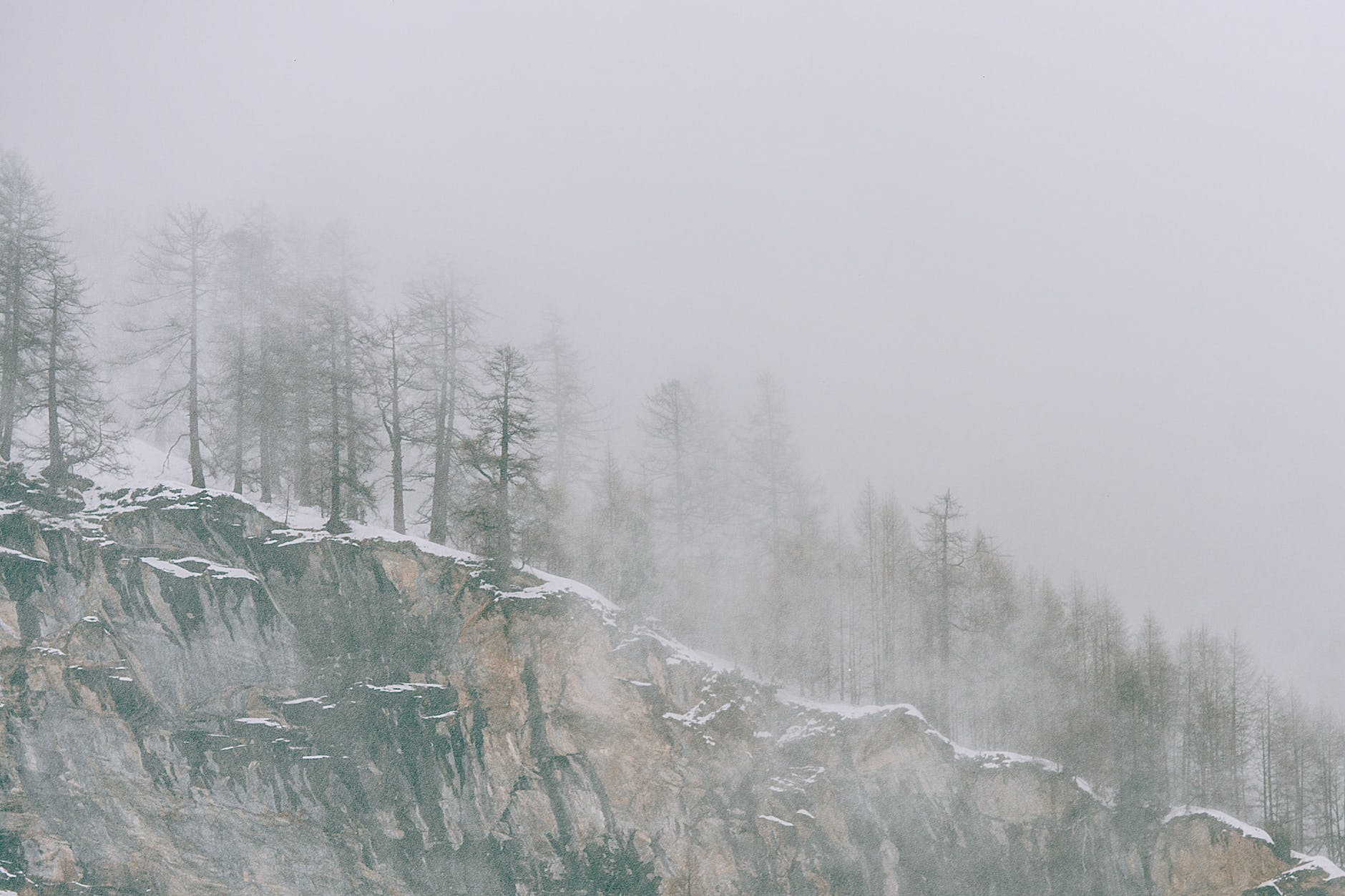
Staying Safe During a Blizzard
- Stay Indoors: The safest place to be during a blizzard is indoors. Avoid unnecessary travel and remain at home until conditions improve.
- Prepare in Advance: Stock up on essential supplies, such as non-perishable food, water, flashlights, and extra blankets, before the blizzard hits. Have a battery-powered radio on hand for weather updates.
- Dress Warmly: If you must venture outside, dress in layers and wear a hat, scarf, and gloves to protect against the bitter cold.
- Avoid Overexertion: Shoveling heavy snow or pushing stuck vehicles can be physically demanding. Take frequent breaks and be mindful of the strain on your body.
- Be Cautious with Heating: If using space heaters or generators indoors, ensure proper ventilation to prevent carbon monoxide poisoning.
- Stay Informed: Keep an eye on weather forecasts and official announcements for updates on the blizzard’s progression and any emergency instructions.
- Check on Others: Reach out to elderly neighbors or those with mobility challenges to ensure they are safe and have necessary supplies.
Blizzards are powerful winter storms that demand respect and caution. Understanding their characteristics and following safety tips can help you navigate these icy tempests with greater confidence.
Some FAQs on Blizzards
Q: What is a blizzard?
A: A blizzard is an intense winter storm characterized by strong winds, heavy snowfall, and reduced visibility due to blowing snow. It is a severe weather event that can create hazardous conditions and disrupt normal life.
Q: How do blizzards form?
A: Blizzards typically form when cold, arctic air masses collide with warmer, moist air masses. The rising warm air cools and condenses, leading to precipitation in the form of snow. Strong winds then blow this snow, reducing visibility and creating blizzard conditions.
Q: What are the main dangers of blizzards?
A: Blizzards can pose several dangers, including reduced visibility for drivers and pedestrians, the risk of frostbite and hypothermia from extreme cold temperatures, disruption of transportation and infrastructure, and power outages from falling tree branches and power lines.
Q: How long do blizzards usually last?
A: Blizzards can last for several hours to a few days, depending on the storm’s intensity and movement. The duration of a blizzard can vary, but it is essential to stay informed about weather updates during the event.
Q: How can I prepare for a blizzard?
A: To prepare for a blizzard, ensure you have a well-stocked emergency kit with essentials such as non-perishable food, water, flashlights, extra blankets, and a battery-powered radio. Keep your mobile devices charged, and have a communication plan with family and friends.
Q: What should I do during a blizzard?
A: The safest place to be during a blizzard is indoors. Avoid unnecessary travel and stay updated on weather conditions through radio or online sources. If you must go outside, dress in warm layers and avoid overexertion to prevent hypothermia.
Q: How can I protect my home during a blizzard?
A: To protect your home during a blizzard, make sure doors and windows are properly sealed to prevent drafts and keep the cold air out. Clear gutters and drains of debris to prevent ice buildup. Have a supply of firewood or alternative heating sources in case of power outages.
Q: What precautions should I take while driving in a blizzard?
A: If driving during a blizzard is unavoidable, take extreme caution. Reduce your speed, increase following distance, and use headlights to improve visibility. If conditions become too hazardous, find a safe place to pull over and wait until the storm passes.
Q: What is a “whiteout” during a blizzard?
A: A “whiteout” occurs during blizzards when blowing snow and low visibility create a uniform white or gray landscape, making it extremely difficult to see objects and landmarks. This can be disorienting and dangerous for travelers.
Q: Are blizzards only a concern in rural areas?
A: No, blizzards can affect both rural and urban areas. In urban areas, blizzards can disrupt transportation, cause power outages, and impact daily activities, just like in rural regions. It is essential for everyone to be prepared and take precautions during a blizzard regardless of their location.
Q: Can blizzards lead to other natural disasters?
A: Blizzards themselves are not typically considered natural disasters, but they can contribute to or exacerbate other events, such as coastal flooding from storm surges or increased risk of avalanches in mountainous regions.
You May Also Like

 Decoding Biosphere