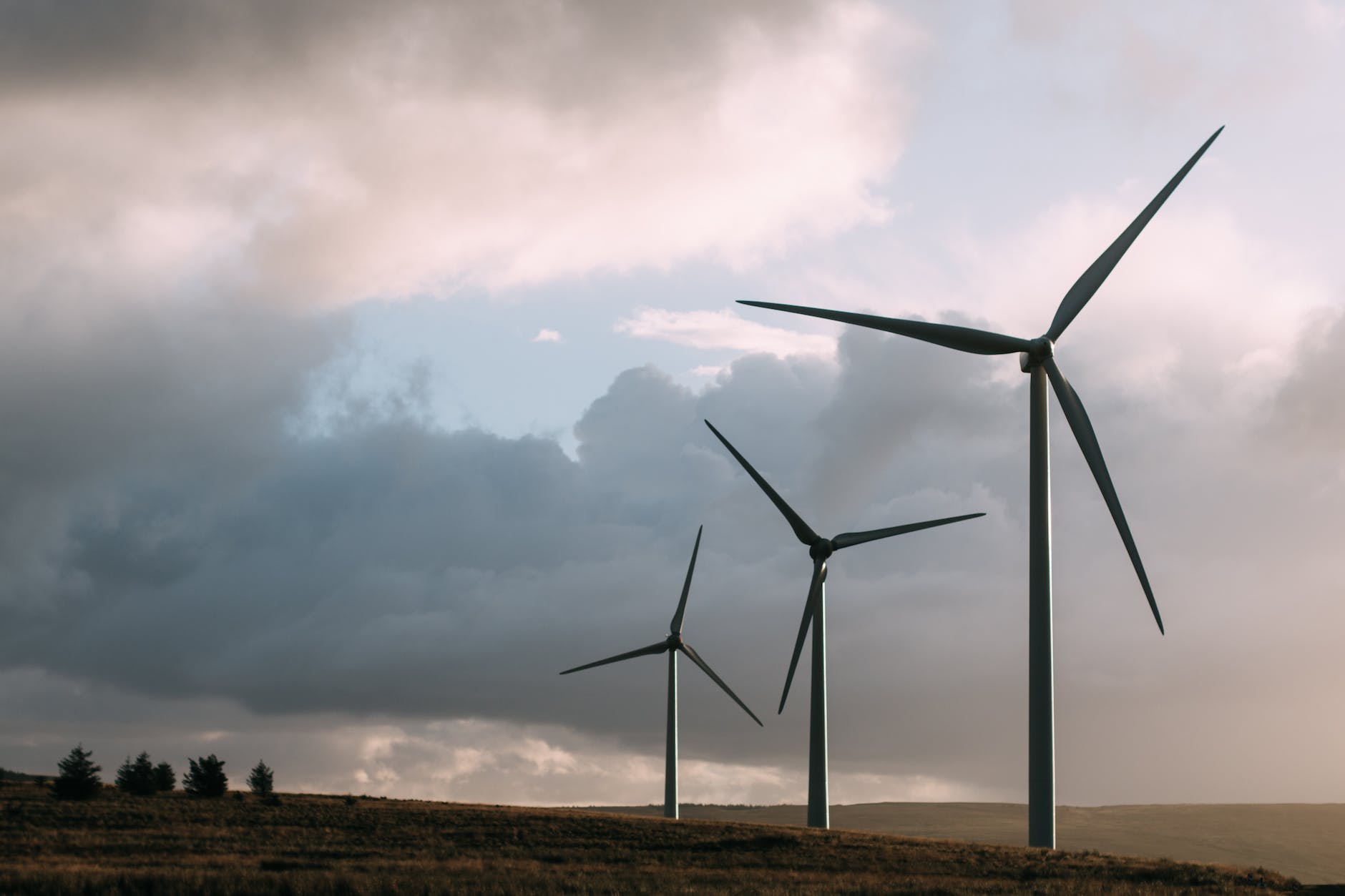

Wind turbines, as pivotal components of renewable energy systems, play a crucial role in harnessing wind power to generate electricity. In this article, we’ll explore the inner workings of wind turbines and how they generate electricity, ushering in a new era of sustainable energy production.
Wind energy, derived from the kinetic energy of moving air masses, has captivated human imagination for centuries. Wind turbines, akin to modern-day windmills, transform this natural resource into electrical power. Our exploration begins with the fundamental principles underlying wind energy conversion.
The Wind-Energy Nexus
Solar Influence
The sun, our cosmic furnace, heats Earth’s surface unevenly. This temperature disparity sets the stage for wind formation. As air warms, it rises, creating areas of low pressure. Cooler air rushes in to fill the void, resulting in wind currents.
Earth’s Topography
Our planet’s undulating terrain—mountains, valleys, and plains—shapes wind patterns. These geographical features channel and redirect air masses, influencing wind speed and direction.
Earth’s Rotation
Earth’s rotation imparts a spin to wind currents. The Coriolis effect causes deflection, steering winds along curved paths. This dynamic interplay between solar input, topography, and rotation culminates in the wind’s kinetic energy.
Anatomy of a Wind Turbine
At their core, wind turbines are sophisticated machines designed to capture the kinetic energy of the wind and convert it into electrical power. They consist of several key components, including the tower, blades, nacelle, gearbox, and generator.
Tower and Blades:
The tower provides structural support, lifting the turbine high above the ground where the wind blows strongest. Attached to the tower are the blades, which resemble giant propellers. These aerodynamic blades are carefully designed to capture the maximum amount of wind energy, spinning as the breeze flows past.
Nacelle and Gearbox:
Sitting atop the tower is the nacelle, a housing unit that contains essential components such as the gearbox, generator, and control systems. The gearbox plays a crucial role in increasing the rotational speed of the blades to a level suitable for electricity generation.
Generator:
Within the nacelle, the generator transforms the mechanical energy from the rotating blades into electrical energy through the process of electromagnetic induction. As the blades spin, they turn the rotor of the generator, inducing a magnetic field in coils and generating an electrical current.
The Process of Electricity Generation
Wind turbines rely on a simple yet effective process to generate electricity. It all begins with the wind. As the breeze blows, it causes the blades of the turbine to rotate. This rotational motion is transferred to the gearbox, which increases the speed of rotation to a level suitable for electricity generation.
The spinning blades turn the shaft connected to the gearbox, which, in turn, spins the rotor of the generator. Inside the generator, electromagnetic coils are surrounded by powerful magnets. As the rotor spins, it induces a magnetic field in the coils, generating an electrical current.
Converting and Distributing Electricity
The electrical current produced by the generator is in the form of alternating current (AC). However, before it can be fed into the electrical grid, it needs to be converted into a form suitable for transmission and distribution. Power electronics within the nacelle convert the AC electricity into direct current (DC).
This DC electricity is then transmitted down the tower through cables to a substation, where it is converted back into AC electricity and synchronized with the grid. Once synchronized, the electricity is ready to be distributed to homes, businesses, and industries, powering appliances, lighting, heating, and more.
Types of Wind Turbines
- Horizontal-Axis Turbines: These workhorses dominate wind farms. Their blades slice horizontally through the air, capturing maximum wind energy.
- Vertical-Axis Turbines: These rebels spin on a vertical axis. Urban areas often host them, where space constraints demand versatility.
Benefits of Wind Turbines
Wind turbines offer numerous benefits to society and the environment. First and foremost, they produce clean and renewable energy without emitting harmful pollutants or greenhouse gases. Unlike fossil fuels, wind energy is abundant and inexhaustible, making it a sustainable solution for our energy needs.
Additionally, wind turbines help stimulate economic growth and create jobs in manufacturing, construction, operation, and maintenance. Wind farms also generate revenue for landowners and local communities through lease agreements and tax revenues.
Furthermore, wind energy enhances energy security by reducing dependence on imported fossil fuels and diversifying the energy mix. By tapping into domestic renewable resources, countries can mitigate the risks associated with price fluctuations and supply disruptions in the global energy market.
Conclusion
Wind turbines represent a promising solution to our growing energy needs while mitigating the impacts of climate change and air pollution. By harnessing the power of the wind, these remarkable machines generate clean, renewable electricity, paving the way for a more sustainable future.
References:
- https://www.science.org/doi/pdf/10.1126/science.aau2027
- https://www.nationalgeographic.org/article/putting-wind-work/
- https://www.nationalgeographic.org/encyclopedia/wind-energy/
You May Also Like

 Decoding Biosphere