Water is a renewable resource because it is continuously recycled through the water cycle. However, groundwater depletion and pollution can make water locally unsustainable.
Water is essential for life, ecosystems, agriculture, and industry. But many students and readers often ask:
Is water renewable or nonrenewable?
Let’s answer this clearly and scientifically.
What Is Water as a Resource?
Water is a natural resource that supports life, agriculture, ecosystems, and industry. It is classified as a renewable resource because it is replenished through the hydrological (water) cycle.
🌍 Quick Answer: Is Water Renewable or Nonrenewable?
Water is a renewable resource because it is continuously recycled through the water cycle. However, in certain regions where groundwater is overused or polluted, water can behave like a nonrenewable resource if it is depleted faster than it is naturally replenished.
In short:
👉 Water is renewable — but only if managed responsibly.
Is Water Renewable or Nonrenewable? (Direct Comparison)
Globally: Renewable
Locally: Can become depleted
Scientifically classified as: Renewable
Depends on: Sustainable management
💧 Why Is Water Considered Renewable?
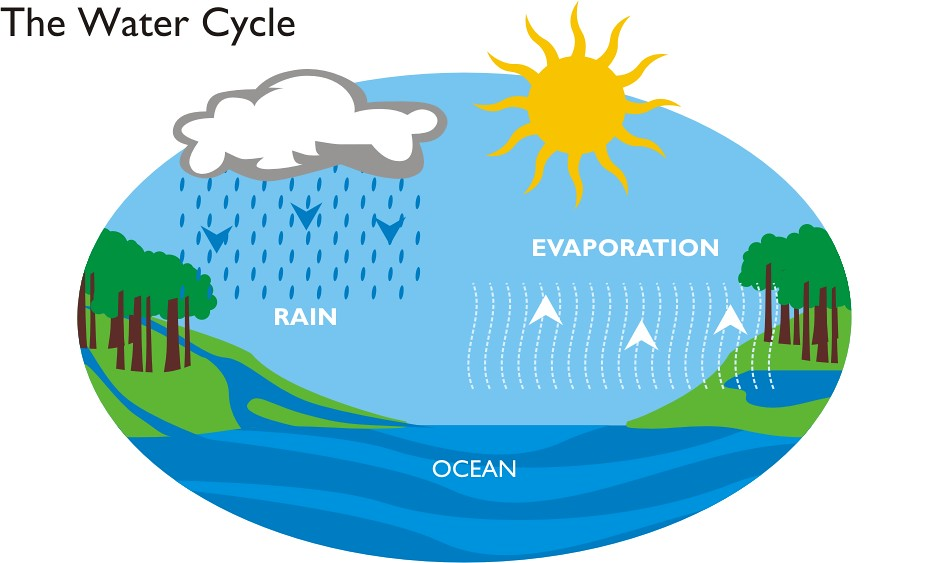
Water is classified as renewable because of the water cycle (hydrological cycle) — a natural process that continuously circulates water on Earth.
🔄 How the Water Cycle Works
- Evaporation – Sunlight heats oceans, rivers, and lakes, turning water into vapor.
- Condensation – Water vapor cools and forms clouds.
- Precipitation – Water falls as rain, snow, or hail.
- Collection & Infiltration – Water refills rivers, lakes, and groundwater.
This continuous movement ensures that water is naturally replenished.
Because this process never stops, water is generally considered renewable.
📊 Water: Renewable vs Nonrenewable – Comparison
Key Differences Between Renewable and Nonrenewable Resources
| Feature | Renewable Resource | Nonrenewable Resource |
|---|---|---|
| Natural Replenishment | Yes (via water cycle) | No natural replacement |
| Example | Water, sunlight | Coal, petroleum |
| Depletion Risk | Yes, if overused locally | Yes, permanently |
| Human Impact | Affects availability | Reduces total supply permanently |
Unlike fossil fuels, water does not disappear permanently — it cycles back.
🚰 When Can Water Become Effectively Nonrenewable?
Although water is renewable in theory, it can behave like a nonrenewable resource under certain conditions.
1️⃣ Groundwater Overuse
Some underground aquifers take hundreds or thousands of years to recharge. If water is pumped faster than it replenishes, it becomes unsustainable.
2️⃣ Pollution
Contamination from agriculture, industry, and urban waste can make freshwater unusable. Even if water exists physically, polluted water reduces usable supply.
3️⃣ Climate Change
Rising temperatures increase evaporation and alter rainfall patterns, causing droughts and water scarcity in many regions.
In these cases, water may technically remain renewable — but practically limited.
🌊 Sources of Renewable Freshwater
Most of the freshwater we use comes from renewable sources:
- Surface Water – Rivers and lakes replenished by rainfall
- Groundwater – Recharged slowly through infiltration
- Glaciers & Ice Caps – Release freshwater during melting
- Rainwater – Direct precipitation source
However, freshwater represents only about 2.5% of Earth’s total water, and less than 1% is readily accessible for human use.
🌎 Is Saltwater Renewable?
About 97.5% of Earth’s water is saltwater.
Through desalination, saltwater can be converted into freshwater. However:
- It requires high energy input
- It is expensive
- It has environmental impacts
So while saltwater is abundant, converting it into usable freshwater is resource-intensive.
🧪 How Human Activities Affect Water Renewability
Water renewability depends heavily on human management.
✔ Responsible Water Management
- Sustainable groundwater extraction
- Rainwater harvesting
- Efficient irrigation systems
✔ Water-Efficient Technologies
- Wastewater recycling
- Drip irrigation
- Smart water monitoring systems
✔ Nature-Based Solutions
- Wetland restoration
- Forest conservation
- River ecosystem protection
Our actions determine whether water remains sustainably renewable.
📝 Exam Definition (1-Line Answer)
In exams, water is classified as a renewable resource because it is continuously replenished through the hydrological cycle.
❓ Frequently Asked Questions
Is water renewable?
Yes. Water is renewable because it is naturally recycled through evaporation, condensation, and precipitation.
Is water renewable or nonrenewable?
Water is renewable globally, but it can become locally depleted if used faster than it is replenished.
Why is water considered renewable?
Because the water cycle continuously circulates and replenishes it.
Is groundwater renewable?
Yes, but some aquifers recharge very slowly. Overuse can make groundwater effectively nonrenewable in certain regions.
Can water ever run out?
Water as a substance does not disappear, but accessible freshwater can become scarce due to overuse and pollution.
🌍 The Final Verdict
Water is a renewable resource — but its availability depends on responsible management.
The water cycle ensures continuous recycling, but groundwater depletion, pollution, and climate change threaten accessibility.
Water is scientifically classified as renewable, but its sustainability depends entirely on responsible management, conservation, and policy decisions.
Sustainable practices, conservation efforts, and technological innovation will determine whether future generations have reliable access to clean water.
References:
- https://wwf.panda.org/discover/knowledge_hub/teacher_resources/webfieldtrips/water/
- https://www.resources.qld.gov.au/__data/assets/pdf_file/0007/1409551/year7science-water-renewable.pdf
- https://www.eea.europa.eu/help/glossary/eea-glossary/water-resources

 Decoding Biosphere