Water is a fundamental element of our daily lives, but not all water is created equal. One important aspect that often goes unnoticed is water hardness. Whether you’re washing dishes, doing laundry, or even brewing a cup of tea, the hardness of your water can significantly impact the results. In this article, we’ll explore what water hardness is, how it’s measured, and its implications on your everyday activities.
What is Water Hardness?
Water hardness refers to the concentration of minerals, primarily calcium and magnesium, present in water. These minerals are naturally dissolved as water moves through rocks and soil, picking up various elements along the way. The hardness of water is typically measured in terms of milligrams per liter (mg/L) or parts per million (ppm).
The Measurement Scale: Degrees of Hardness
Water hardness is commonly expressed in degrees of hardness. There are two main scales used for this measurement: the German Degrees of Hardness (dH) and the Parts Per Million (ppm) scale. The dH scale is widely used in Europe, while the ppm scale is more common in the United States.
- Soft Water (0-60 ppm or 0-3.5 dH): Soft water contains minimal mineral content. While it’s gentle on your skin and appliances, it may lack the distinct taste some people appreciate.
- Moderately Hard Water (61-120 ppm or 3.6-7 dH): This water contains a moderate amount of minerals. It strikes a balance between being gentle on appliances and having a noticeable taste.
- Hard Water (121-180 ppm or 7.1-10.5 dH): Hard water has a high mineral content. While it may taste different, it can leave deposits on appliances and surfaces.
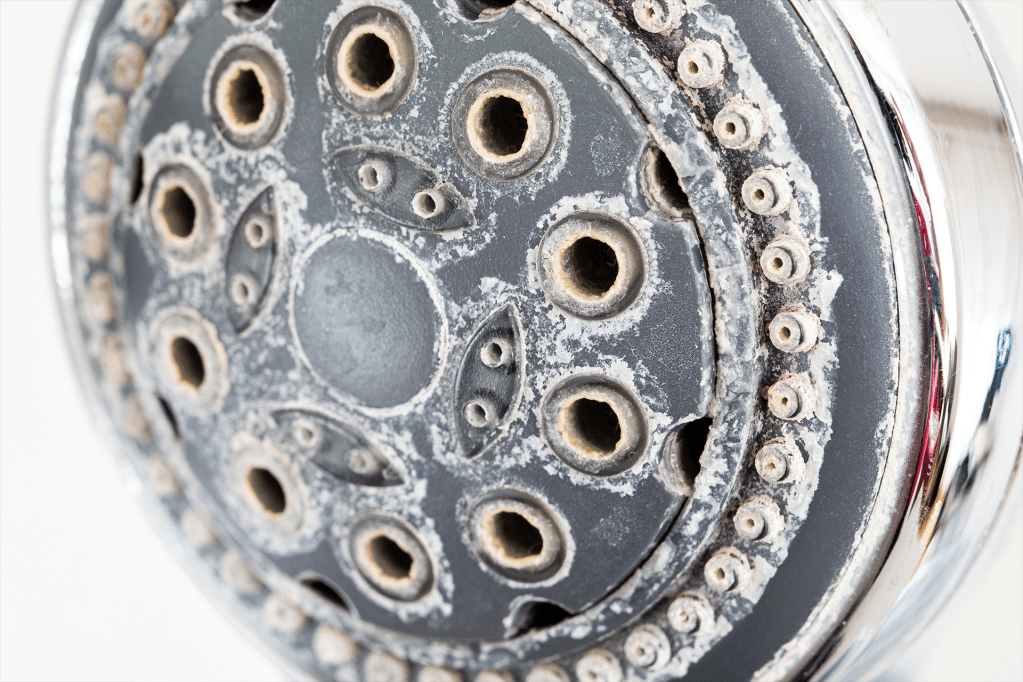
- Very Hard Water (181+ ppm or 10.6+ dH): Very hard water contains a significant amount of minerals. It can lead to issues like soap scum, limescale buildup, and reduced appliance efficiency.
How is Water Hardness Measured?
Water hardness is typically measured using a water hardness test kit. These kits are available for home use and can provide a quick assessment of your water’s mineral content. The test involves adding a chemical reagent to a water sample and observing the reaction.
Impact of Water Hardness:
- Household Cleaning: The hardness of water affects how well soap and detergents lather. In hard water, soap reacts with minerals to form soap scum, making cleaning less effective.
- Appliance Efficiency: Appliances like water heaters and dishwashers can be negatively impacted by hard water, leading to decreased efficiency and a shorter lifespan.
- Personal Care: Hard water can leave a residue on your skin and hair, impacting the effectiveness of shampoos and soaps.
Hard Water vs. Soft Water: Which One Is Healthier?
The choice between hard water and soft water extends beyond mere household preferences; it can subtly impact our health. Hard water, rich in minerals like calcium and magnesium, is often lauded for potential bone and heart health benefits. However, its tendency to create soap scum and affect appliance efficiency raises concerns.
On the flip side, soft water, having undergone a process to reduce mineral content, excels in household tasks, offering efficient lathering and preserving appliance longevity. Yet, it may lack the mineral punch that hard water provides.
The verdict on which is healthier depends on personal priorities. If you prioritize mineral intake and potential health benefits, hard water may be the choice for you. If efficient cleaning and appliance maintenance take precedence, soft water might be the better option.
In the hard water vs. soft water dilemma, there’s no clear winner; it’s about finding the balance that aligns with your health goals and lifestyle.
Are there any Health Hazards linked with Hard water?
While hard water itself is not considered harmful to drink, there are certain aspects to consider.
- Mineral Overload: The primary concern with hard water lies in its mineral composition. Consuming water with excessive minerals can contribute to elevated daily intake, potentially posing a risk for those who already receive ample calcium and magnesium through their diet or supplements.
- Cardiovascular Considerations: Some studies suggest a potential link between magnesium-rich water, such as hard water, and cardiovascular benefits. However, it’s crucial to note that relying solely on water for essential minerals might not be sufficient, and a balanced diet is essential for overall health.
- Skin and Hair Effects: Hard water’s tendency to form soap scum can lead to skin and hair issues for some individuals. Residue left on the skin may cause dryness, while hair might become dull and difficult to manage.
- Soap and Detergent Challenges: Hard water’s reaction with soap and detergents can hinder their effectiveness. This not only affects personal care but also impacts the efficiency of laundry and dishwashing processes.
- Appliance Impact: The minerals in hard water can cause limescale buildup in appliances, reducing their efficiency and potentially shortening their lifespan.
While these factors highlight potential concerns, it’s essential to recognize that the health hazards linked with hard water are generally associated with long-term exposure. Most health experts agree that the mineral content in drinking water, whether hard or soft, is not a significant concern for the average person with a balanced diet.
Understanding water hardness is crucial for maintaining the efficiency of household appliances and ensuring the best results in daily activities. By knowing how to measure and interpret water hardness, you can make informed choices about water treatment methods and improve the overall quality of your water.
You May Also Like

 Decoding Biosphere