The chaparral biome is a fascinating and ecologically diverse ecosystem that is home to a wide array of unique animal species. From the rugged hills of California to the Mediterranean coastlines, chaparral regions around the world offer a distinct combination of climate, vegetation, and wildlife. In this article, we will delve into the characteristics of the chaparral biome and explore some of the fascinating animals that call it home.
Climate of Chaparral Biome
The chaparral biome is primarily found in regions with a Mediterranean climate, characterized by hot, dry summers and mild, wet winters. This biome is known for its distinctive vegetation, consisting of drought-resistant shrubs, small trees, and aromatic plants. Adapted to the harsh conditions, the vegetation in the chaparral biome often features thick, leathery leaves, waxy coatings, and deep root systems to conserve water and withstand prolonged periods of drought.
Chaparral Animals
Within this unique biome, a variety of animal species have evolved to thrive in the challenging environment. These animals have developed remarkable adaptations to cope with the limited water availability, extreme temperatures, and frequent wildfires that are characteristic of the chaparral.
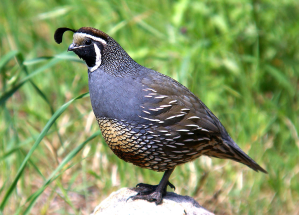
California quail
One iconic chaparral animal is the California quail (Callipepla californica), a plump bird with a distinctive curved topknot. These quails are well-adapted to the chaparral biome, as they can survive with limited water intake by obtaining moisture from their food. They are ground-dwelling birds that forage for seeds, fruits, and insects among the shrubs and vegetation.
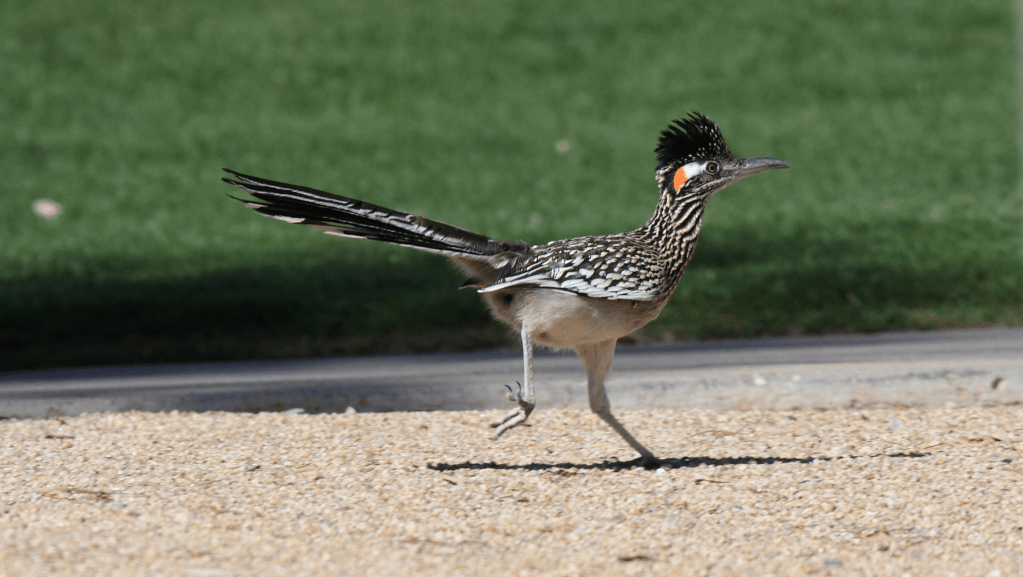
Roadrunners
Another fascinating chaparral inhabitant is the roadrunner (Geococcyx californianus), a bird known for its incredible speed and distinctive appearance. Roadrunners are skilled runners and adept predators, feeding on lizards, snakes, insects, and small mammals. With their long legs and streamlined bodies, they can easily navigate through the dense chaparral vegetation.
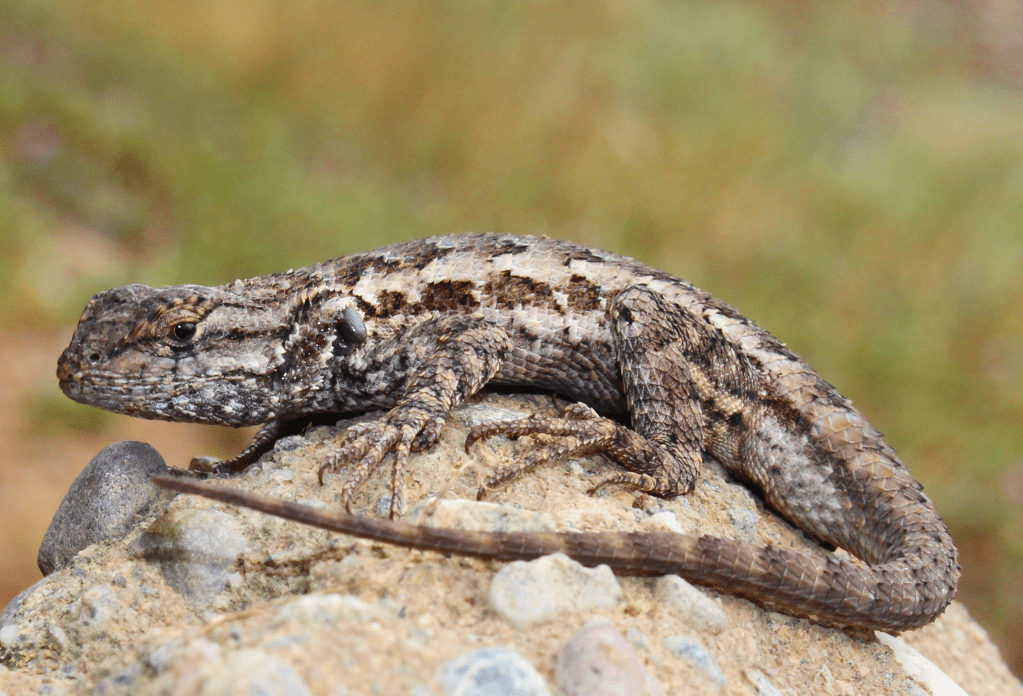
The Western Fence Lizard (Sceloporus occidentalis)
The chaparral biome is also home to a variety of reptiles, including lizards and snakes. The western fence lizard (Sceloporus occidentalis) is a common sight in these regions. These lizards are known for their ability to tolerate high body temperatures and are often seen basking on rocks or tree trunks to absorb heat. They play an important role in controlling insect populations, making them valuable members of the chaparral community.
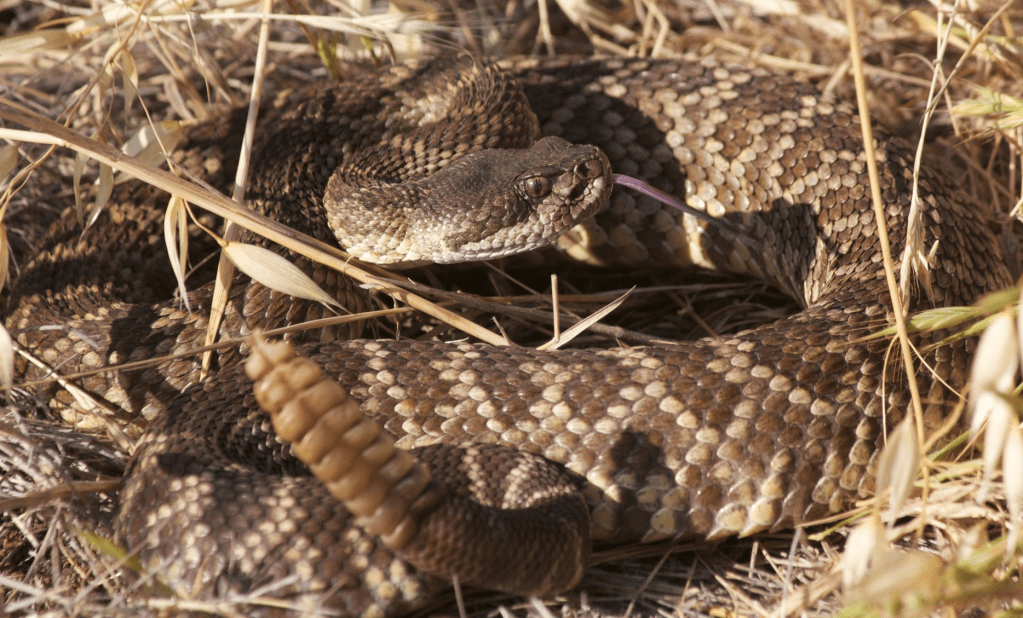
Pacific rattlesnake (Crotalus oreganus helleri)
Among the snake species found in the chaparral biome, the southern Pacific rattlesnake (Crotalus oreganus helleri) stands out. These venomous snakes are well-adapted to the chaparral environment and play a crucial role in maintaining the ecological balance by controlling rodent populations.
Small mammals
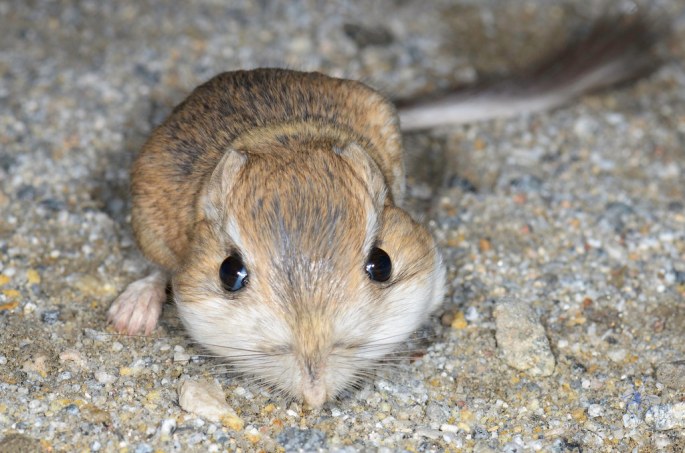
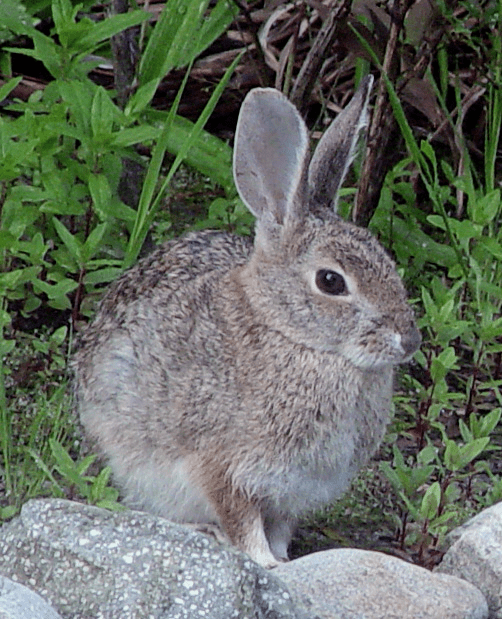
Small mammals, such as the California kangaroo rat (Dipodomys californicus) and the desert cottontail rabbit (Sylvilagus audubonii), are also well-suited to the chaparral biome. These creatures have adapted to the scarcity of water by obtaining moisture from their food and reducing water loss through specialized kidneys.
In addition to these animal species, the chaparral biome supports a rich diversity of insects, including bees, butterflies, and beetles. These insects play vital roles in pollination, seed dispersal, and decomposition, contributing to the overall health and functioning of the ecosystem.
The chaparral biome is a delicate balance of interdependent organisms, finely tuned to survive and thrive in its unique conditions. However, like many other ecosystems, the chaparral faces threats such as habitat loss, invasive species, and climate change. Human activities, such as urbanization and agriculture, pose significant challenges to the preservation of this valuable biome and its animal inhabitants.
Efforts are underway to conserve and restore the chaparral biome, recognizing its ecological importance and the need to protect its diverse array of animal species. Through land management practices, education, and public awareness, we can work towards safeguarding this remarkable ecosystem and ensuring a future for the animals that rely on it.
In conclusion, the chaparral biome is a remarkable ecosystem that showcases nature’s ability to adapt and thrive in challenging environments. From quails and roadrunners to lizards and rattlesnakes, the animals of the chaparral have evolved unique adaptations to survive in the face of limited water, extreme temperatures, and frequent wildfires. By understanding and appreciating the diversity of animal life in the chaparral, we can better comprehend the intricate relationships and delicate balance that exist within this captivating biome.

 Decoding Biosphere

