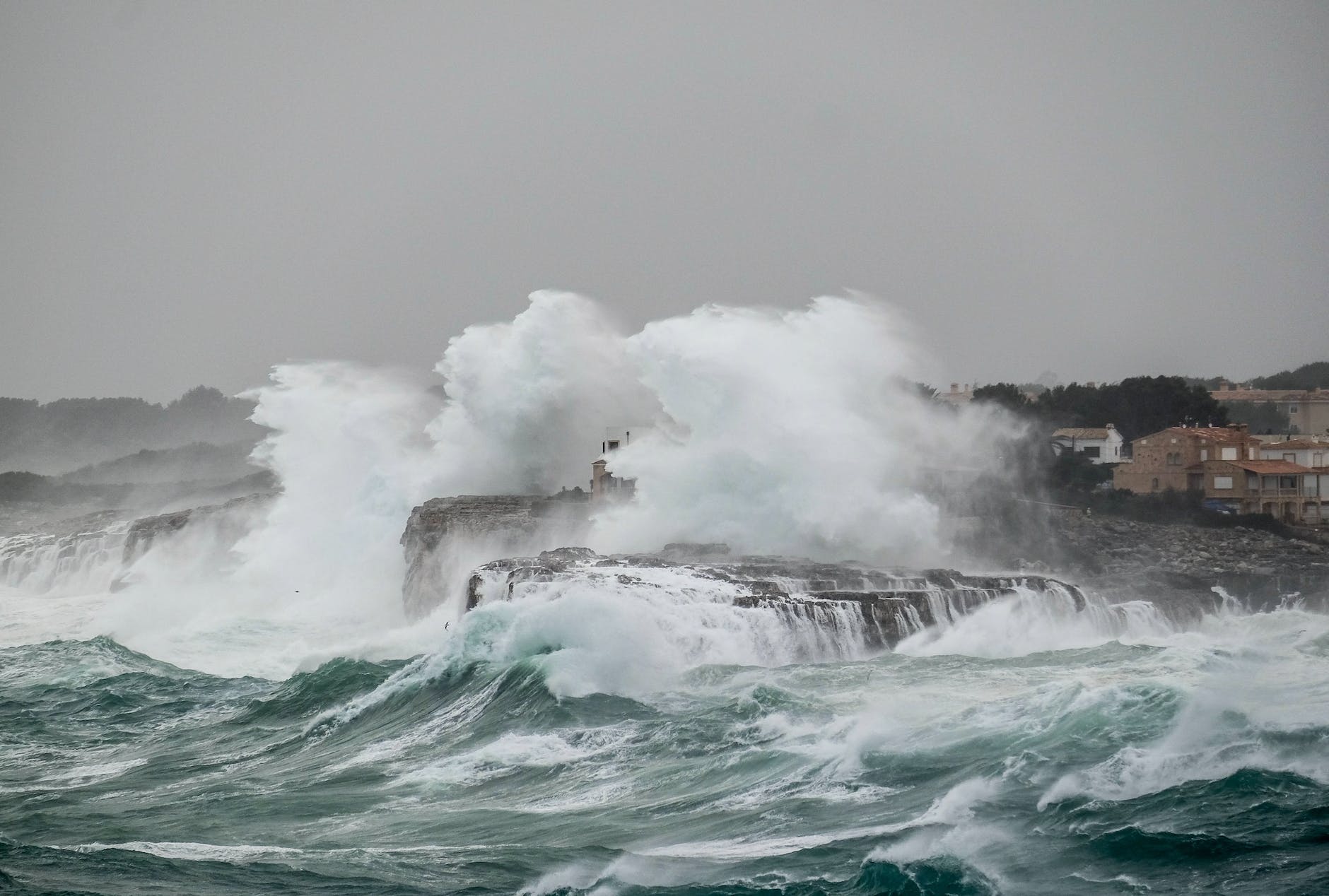
Tsunamis, often referred to as “seismic sea waves,” are natural disasters that can cause widespread devastation and loss of life in coastal regions around the world. Despite their destructive potential, tsunamis are frequently misunderstood phenomena. In this article, we will explore what tsunamis are, their causes, and how they form, gaining more understanding on these powerful and unpredictable events.
What is a Tsunami?
A tsunami is a series of large ocean waves caused by the displacement of water, usually triggered by undersea earthquakes, volcanic eruptions, landslides, or meteorite impacts. The word “tsunami” originates from Japanese, meaning “harbor wave,” reflecting the way tsunamis can amplify as they approach shallow coastal areas.
Causes of Tsunamis
1. Undersea Earthquakes
Undersea earthquakes, particularly those associated with tectonic plate movements, are the most common cause of tsunamis. When tectonic plates shift along fault lines beneath the ocean floor, they can abruptly displace large volumes of water, generating powerful waves that propagate across the ocean.
2. Volcanic Eruptions
Volcanic eruptions, especially those occurring on or near the ocean floor, can trigger tsunamis by displacing water through explosive release of gas, magma, and debris. Submarine volcanic eruptions can generate tsunamis with unique characteristics, including “tephra tsunamis” caused by the collapse of volcanic islands or the entry of lava into seawater.
3. Landslides
Underwater landslides, submarine slumps, or coastal collapses can displace massive amounts of sediment and rock, sending shockwaves through the water and creating tsunamis. Landslides triggered by seismic activity, coastal erosion, or underwater disturbances can generate localized tsunamis that pose significant threats to nearby coastal communities.
4. Meteorite Impacts
Rare but possible, meteorite impacts in the ocean can generate tsunamis with catastrophic consequences. The force of impact displaces water and creates waves that radiate outward from the impact site, potentially causing widespread destruction along coastlines and neighboring regions.
Formation of a Tsunami
The formation of a tsunami involves several distinct stages, from the initial trigger event to the propagation and inundation of coastal areas:
1. Trigger Event
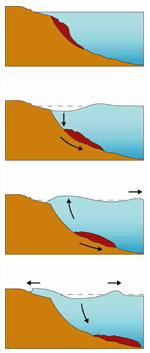
The onset of a tsunami is typically triggered by an underwater disturbance, such as an earthquake, volcanic eruption, landslide, or meteorite impact. The sudden displacement of water sets off a series of waves that propagate outward from the source region.
Usually, it takes an earthquake with a Richter magnitude exceeding 7.5 to produce a destructive tsunami.
2. Wave Generation
As the underwater disturbance occurs, it generates a series of waves that travel across the ocean at high speeds, often reaching speeds of hundreds of kilometers per hour. Initially, these waves may go unnoticed in deep ocean waters due to their long wavelengths and relatively low amplitudes.
3. Wave Propagation
As the tsunami waves travel across the ocean, they undergo complex interactions with the seafloor and underlying topography. In deep ocean waters, tsunamis exhibit characteristic features such as long wavelengths and low wave heights, making them difficult to detect using conventional methods.
4. Amplification Near Shore
As the tsunami waves approach shallow coastal areas, they encounter resistance from the ocean floor, causing them to slow down and increase in height. This phenomenon, known as wave shoaling, leads to the amplification of tsunami waves, resulting in towering walls of water that can inundate coastal communities.
5. Inundation and Destruction
When the tsunami waves reach the coastline, they unleash their full force, flooding low-lying areas, destroying infrastructure, and sweeping away everything in their path. The sheer volume and velocity of water can cause catastrophic damage to buildings, homes, and natural habitats, leading to loss of life and widespread devastation.
Where Do Tsunamis Occur?
Tsunamis are most commonly associated with regions that lie along major tectonic plate boundaries, known as the “Ring of Fire,” and areas with active volcanic activity. These regions include:
1. Pacific Ring of Fire:
The Pacific Ring of Fire is a horseshoe-shaped zone encircling the Pacific Ocean, characterized by high levels of tectonic activity, including earthquakes, volcanic eruptions, and submarine landslides. Countries bordering the Pacific Ring of Fire, such as Japan, Indonesia, Chile, and the Philippines, are particularly susceptible to tsunamis due to their proximity to subduction zones and underwater fault lines.

2. Subduction Zones:
Subduction zones, where one tectonic plate is forced beneath another, are prime locations for tsunamigenic earthquakes and volcanic eruptions. The sudden release of stress along subduction zones can generate powerful seismic events that trigger tsunamis with far-reaching consequences. The Cascadia Subduction Zone off the coast of the Pacific Northwest in North America and the Sunda Megathrust in the Indian Ocean are notable examples of subduction zones prone to tsunamis.
3. Volcanic Regions:
Volcanic regions with active or dormant volcanoes, particularly those located near coastlines or underwater, are susceptible to tsunamis triggered by volcanic eruptions and collapses. Submarine volcanic activity, such as the eruption of Krakatoa in 1883 and the collapse of the flank of Mount St. Helens in 1980, can generate tsunamis that propagate across ocean basins, posing risks to nearby coastal communities.
4. Fault Lines:
Fault lines, where tectonic plates slide past each other, are another common location for tsunamis. Strike-slip faults, such as the San Andreas Fault in California, can generate tsunamis through horizontal displacement of the seafloor during earthquakes. While less common than subduction zone earthquakes, tsunamis triggered by strike-slip faults can still pose significant risks to coastal areas.
5. Coastal Areas:
Coastal areas with low-lying topography and dense populations are particularly vulnerable to tsunamis. Urban centers, tourist destinations, and coastal communities located near potential tsunami sources face heightened risks of inundation and destruction in the event of a tsunami. Effective tsunami preparedness, early warning systems, evacuation plans, and public education initiatives are critical for reducing the impact of tsunamis on coastal populations.
Conclusion: Understanding Tsunamis to Mitigate Risk
In conclusion, tsunamis are powerful and potentially deadly natural phenomena that pose significant risks to coastal populations and infrastructure. By understanding the causes and formation of tsunamis, we can better prepare for and mitigate the impacts of these destructive events.
Early warning systems, coastal planning and zoning regulations, public education and awareness campaigns, and improved infrastructure resilience are essential components of effective tsunami risk reduction strategies. By integrating scientific knowledge, community engagement, and disaster preparedness measures, we can enhance our ability to respond to tsunamis and minimize their human, social, and economic toll.
You may also like

 Decoding Biosphere