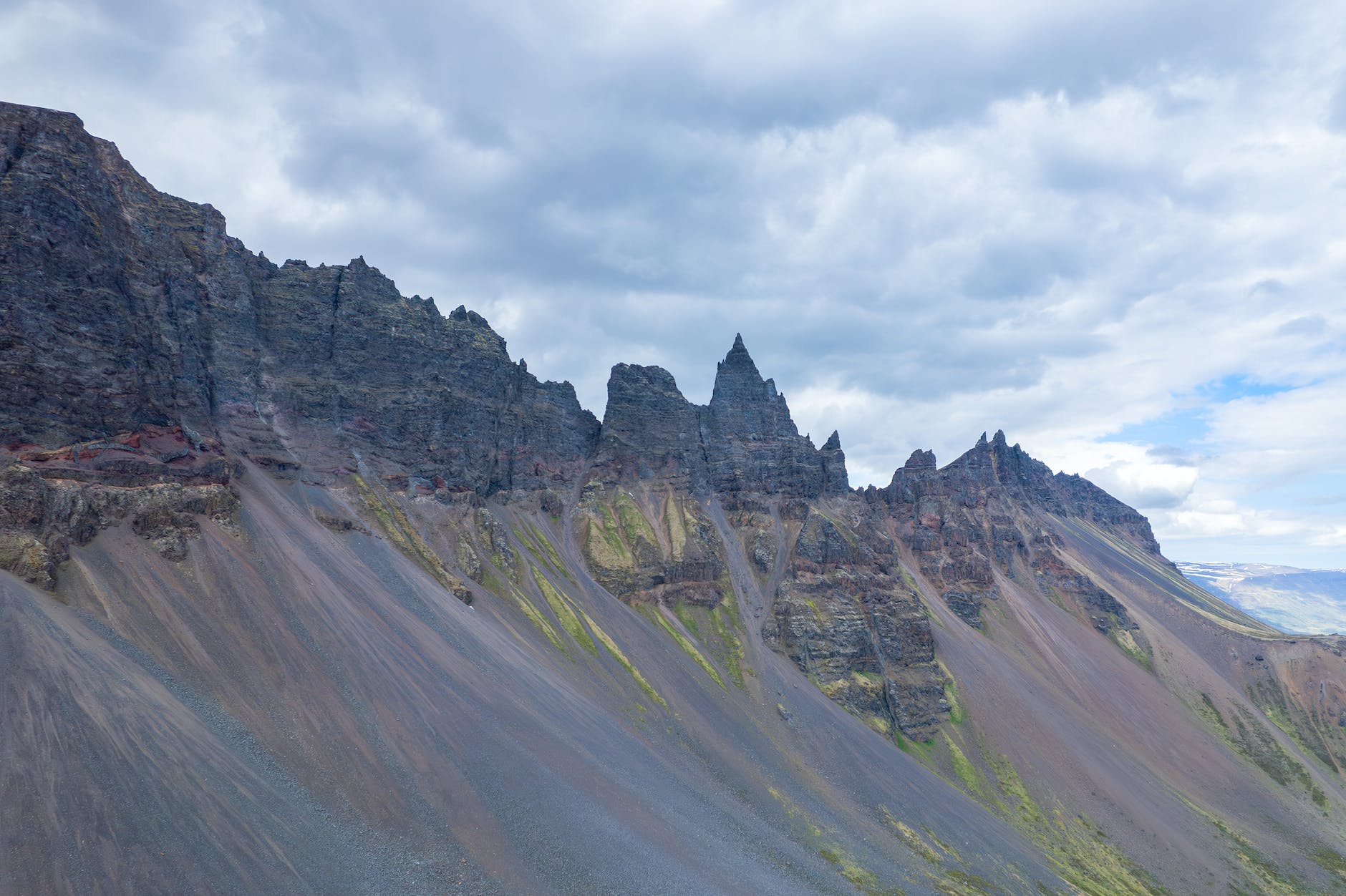
Landslides are natural geological phenomena characterized by the downward movement of soil, rock, and debris along a slope or hillside. These events can occur suddenly or gradually, posing significant hazards to communities, infrastructure, and the natural environment. In this article, we will explore the causes, effects, and types of landslides, shedding light on the factors that contribute to their occurrence and the impacts they have on landscapes and societies.
What are Landslides?
Landslides, also known as mass movements, refer to the movement of material downslope under the influence of gravity. They can occur in various forms, ranging from slow, gradual processes to rapid, catastrophic events, depending on factors such as slope steepness, soil composition, and environmental conditions. Landslides can be triggered by natural phenomena such as rainfall, earthquakes, and volcanic activity, as well as human activities such as deforestation, construction, and mining.
Causes of Landslides
Landslides can be triggered by a variety of factors, both natural and human-induced, that destabilize slopes and increase the likelihood of slope failure. Some of the common causes of landslides include:
1. Heavy Rainfall
Heavy rainfall can saturate the soil and increase pore water pressure, reducing the strength of the soil and making it more susceptible to landslides. Intense or prolonged rainfall events can trigger landslides, particularly in areas with steep slopes, shallow soils, and high levels of runoff.
2. Steep Slopes
Slopes with steep gradients are more prone to landslides than gentle slopes, as the force of gravity exerts greater pressure on the material, increasing the likelihood of slope failure. Steep slopes are common in mountainous regions and areas with rugged terrain, where erosion and weathering processes are more prevalent.
3. Soil Erosion
Soil erosion, caused by factors such as deforestation, overgrazing, and land clearing, can weaken slope stability and increase the risk of landslides. Loss of vegetation cover exposes the soil to erosion by wind and water, while human activities such as construction and mining can disturb the natural landscape and destabilize slopes.
4. Geological Factors
Geological factors, such as rock type, bedding planes, and fault lines, can influence the occurrence of landslides. Rocks that are highly fractured or weathered are more susceptible to erosion and slope failure, while geological structures such as joints and faults can act as pathways for water infiltration and destabilize slopes.
5. Earthquakes and Seismic Activity
Earthquakes and seismic activity can trigger landslides by shaking the ground and destabilizing slopes. The intense shaking associated with earthquakes can cause soil liquefaction, landslides, and ground subsidence, particularly in areas with unconsolidated sediment and weak geological formations.
Effects of Landslides
Landslides can have wide-ranging and cascading effects on landscapes, ecosystems, infrastructure, and human populations. Some of the key effects of landslides include:
1. Loss of Life and Property Damage
Landslides can cause significant loss of life and property damage, particularly in densely populated areas and communities located in hazard-prone regions. Rapid, catastrophic landslides can bury homes, roads, and infrastructure, trapping residents and disrupting emergency response efforts.
2. Displacement of People
Landslides can force people to evacuate their homes and relocate to safer areas, leading to displacement, homelessness, and social disruption. Displaced populations may face challenges accessing basic necessities such as food, water, and shelter, exacerbating the humanitarian impact of landslides.
3. Environmental Degradation
Landslides can result in environmental degradation, including habitat loss, soil erosion, and deforestation. The removal of vegetation cover and disruption of ecosystems can lead to loss of biodiversity, degradation of water quality, and increased susceptibility to erosion and flooding.
4. Infrastructure Damage
Landslides can damage infrastructure such as roads, bridges, and utilities, disrupting transportation networks, communication systems, and supply chains. Repairing and rebuilding damaged infrastructure can be costly and time-consuming, posing challenges for communities and governments recovering from landslide events.
5. Economic Losses
Landslides can have significant economic impacts, including loss of income, livelihoods, and productive assets. Agricultural lands, forests, and commercial properties may be destroyed or rendered unusable, leading to reduced economic productivity and long-term losses for affected communities and industries.
Types of Landslides
Landslides are classified based on the type of movement, the characteristics of the material involved, and the environmental conditions that influence their occurrence. Some of the common types of landslides include:
1. Rockslides
Rockslides involve the rapid movement of rock fragments downslope, often triggered by weathering, erosion, or seismic activity. They are characterized by the detachment and free-fall of rock blocks or boulders from steep cliffs or rock faces, resulting in the deposition of debris at the base of the slope.
2. Debris Flows
Debris flows are fast-moving mixtures of water, rock, soil, and debris that flow downslope like a fluid. They are characterized by high velocity, turbulent flow, and the transport of large volumes of sediment and debris. Debris flows are common in mountainous regions and are often triggered by intense rainfall, snowmelt, or volcanic eruptions.
3. Mudslides
Mudslides, also known as debris slides, involve the downhill movement of saturated soil and debris along a slope or hillside. They are characterized by the flow of viscous, muddy material that can bury homes, roads, and infrastructure in its path. Mudslides are common in areas with steep slopes, shallow soils, and high levels of rainfall.
4. Slumps
Slumps are rotational movements of material along a curved surface, typically occurring in cohesive soils and unconsolidated sediment. They are characterized by the downward and outward movement of a mass of material, resulting in the formation of a distinct slump feature or scarp at the top of the slope.
Conclusion: Mitigating the Risks of Landslides
In conclusion, landslides are complex geological phenomena that pose significant hazards to communities, infrastructure, and the natural environment. By understanding the causes, effects, and types of landslides, we can better assess the risks associated with slope instability and implement proactive measures to mitigate their impacts.
Effective strategies for mitigating the risks of landslides may include:
- Conducting landslide hazard assessments and mapping
- Implementing land-use planning and zoning regulations to avoid development in high-risk areas
- Installing erosion control measures, such as retaining walls, slope stabilization structures, and vegetation restoration projects
- Monitoring weather conditions, groundwater levels, and seismic activity to anticipate and respond to potential landslide events
- Educating communities about the risks of landslides and promoting emergency preparedness and response efforts
Through collaborative efforts and informed decision-making, we can minimize the risks posed by landslides.
You May Also Like

 Decoding Biosphere