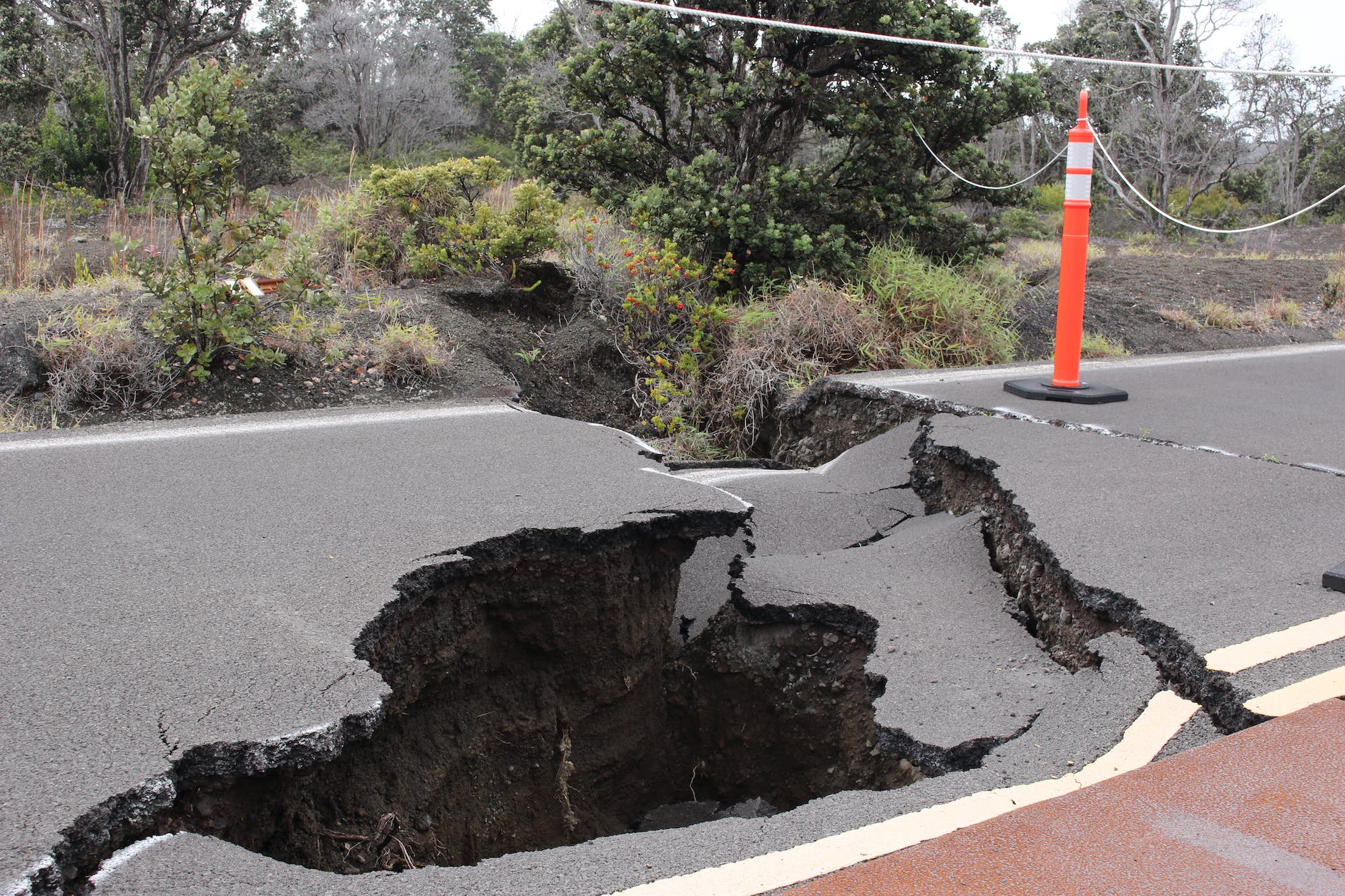
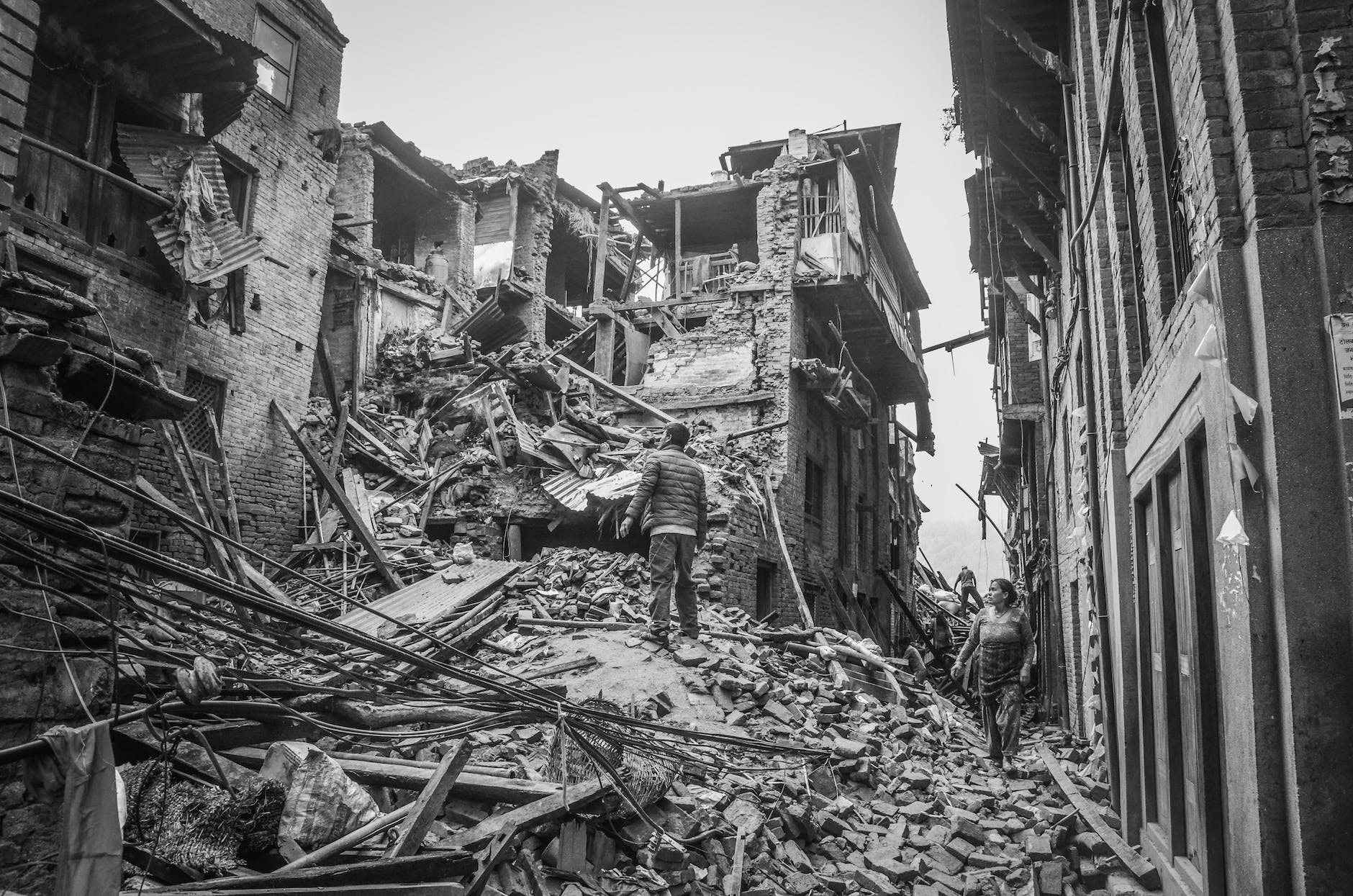
Few natural phenomena are as awe-inspiring and terrifying as earthquakes. These sudden and violent movements of the Earth’s crust can unleash devastating consequences, affecting both human lives and the environment. In this article, we will look into what earthquakes are, what causes them, and their devastating impact.
What is an Earthquake?
An earthquake is a geological event that occurs when there is a sudden release of energy in the Earth’s crust. This energy release creates seismic waves, which result in the ground shaking or trembling. Earthquakes can vary in intensity, ranging from minor tremors that are barely perceptible to catastrophic quakes that cause widespread destruction.
Causes of Earthquakes
Earthquakes are primarily caused by the movement of tectonic plates beneath the Earth’s surface. The Earth’s crust is divided into several large and small tectonic plates that float on the semi-fluid asthenosphere below. When these plates interact, they can slide past, collide, or move away from each other.
The three main types of plate movements that trigger earthquakes are:
- Transform Boundaries: At these boundaries, tectonic plates slide horizontally past each other. The friction between the plates prevents smooth movement, leading to the buildup of stress. When this stress is suddenly released, it causes an earthquake.
- Convergent Boundaries: At convergent boundaries, tectonic plates move toward each other. One plate may be forced beneath the other in a process called subduction. The intense pressure and friction between the plates can generate powerful earthquakes.
- Divergent Boundaries: At divergent boundaries, tectonic plates move away from each other. The separation creates cracks and faults in the Earth’s crust, where earthquakes can occur due to the shifting of rocks along these faults.
Types of Earthquake
Earthquakes can be classified into several types based on their origin, location, and characteristics. Here are some of the main types of earthquakes:
- Tectonic Earthquakes: Tectonic earthquakes are the most common type and occur due to the movement of tectonic plates beneath the Earth’s surface. These plates constantly interact, and when the accumulated stress at their boundaries exceeds the frictional forces holding them together, it results in sudden movements that release seismic energy. Tectonic earthquakes can occur at transform boundaries, convergent boundaries, and divergent boundaries.
- Volcanic Earthquakes: Volcanic earthquakes are directly related to volcanic activity. They occur when magma moves within or beneath a volcano, causing the surrounding rocks to crack and creating seismic waves. These earthquakes are usually shallow and typically associated with volcanic eruptions.
- Induced Earthquakes: Induced earthquakes are earthquakes that are triggered or induced by human activities. Human activities that can cause induced earthquakes include reservoir-induced seismicity (due to the filling of large reservoirs), hydraulic fracturing (fracking) for oil and gas extraction, geothermal energy extraction, and mining activities.
- Intraplate Earthquakes: Intraplate earthquakes occur within the interior of a tectonic plate, away from plate boundaries. The causes of intraplate earthquakes are not always well understood, but they are often associated with ancient faults or weaknesses in the Earth’s crust.
- Submarine Earthquakes: Submarine earthquakes occur beneath the ocean floor. They can trigger tsunamis if the movement of the seafloor displaces a large volume of water. Some of the most significant earthquakes in history have been submarine earthquakes.
- Megathrust Earthquakes: Megathrust earthquakes are massive and extremely powerful earthquakes that occur at subduction zones, where one tectonic plate is forced beneath another. These earthquakes can release enormous amounts of energy and are responsible for some of the most devastating tsunamis in history.
- Foreshocks and Aftershocks: Foreshocks are smaller earthquakes that precede the mainshock (the largest earthquake in a sequence). Aftershocks are smaller earthquakes that occur after the mainshock. They can continue for days, weeks, or even months following the main earthquake.
- Shallow, Intermediate, and Deep Earthquakes: Earthquakes can also be classified based on their depth within the Earth’s crust. Shallow earthquakes occur within the top 70 kilometers of the crust, intermediate earthquakes occur between 70 and 300 kilometers deep, and deep earthquakes occur at depths exceeding 300 kilometers.
Impact of Earthquakes
The impact of earthquakes can be wide-ranging and devastating:
- Ground Shaking: The most immediate and noticeable effect of an earthquake is the ground shaking. Depending on the quake’s magnitude, this shaking can cause buildings, bridges, and infrastructure to collapse, leading to significant casualties and damage.
- Tsunamis: Underwater earthquakes, especially those at subduction zones, can displace massive amounts of water, triggering tsunamis. These enormous sea waves can inundate coastal areas, causing widespread destruction and loss of life.
- Landslides: Earthquakes can destabilize hillsides and mountains, leading to landslides and debris flows. These can bury communities and disrupt transportation routes.
- Secondary Effects: Earthquakes can result in secondary effects such as fires, flooding from broken water mains, and gas leaks, compounding the overall devastation.
- Social and Economic Impact: The aftermath of a severe earthquake can disrupt communities, strain emergency response resources, and lead to long-term economic repercussions as businesses and infrastructure are rebuilt.
- Aftershocks: Aftershocks are smaller earthquakes that occur in the days, weeks, or even months following the main earthquake. These can impede rescue and recovery efforts and cause additional damage.
How Are Earthquakes Measured
Earthquakes are measured using two main scales: the Richter scale and the moment magnitude scale (Mw). Both scales provide a quantitative measure of the energy released by an earthquake, but they differ in their approach and application.
- Richter Scale: The Richter scale was developed in 1935 by Charles F. Richter and is one of the earliest methods used to measure earthquake magnitude. It is a logarithmic scale, meaning that each whole number increase on the scale represents a tenfold increase in measured amplitude and approximately 31.6 times more energy release.
To calculate the Richter magnitude, seismologists use the amplitude of seismic waves recorded on seismographs at specific distances from the earthquake epicenter. The formula for calculating Richter magnitude is:
Richter Magnitude=log10(A0/A)
Where: A is the maximum amplitude of seismic waves recorded on the seismograph. A0 is a reference amplitude, typically the amplitude recorded at a standard distance of 100 kilometers from a magnitude 0 earthquake.
The Richter scale is well-suited for measuring earthquakes of smaller magnitudes (typically up to about magnitude 7.0) that are relatively close to the seismograph stations.
| Richter number | Increase in the motion of the ground | Results |
| 1 | 1 | Generally not felt, but recorded on seismometers |
| 2 | 10 | Generally not felt, but recorded on seismometers |
| 3 | 100 | Generally not felt, but recorded on seismometers |
| 4 | 1000 | Felt by many people; trees sway |
| 5 | 10000 | Poorly built structures damaged |
| 6 | 100000 | Specially designed structures damaged; others collapse |
| 7 | 1000000 | Many structures destroyed; cracks in ground |
| 8+ | 10000000 | Severe destruction; very wide cracks in ground |
- Moment Magnitude Scale (Mw): The moment magnitude scale (Mw) is currently the standard scale used by seismologists to measure earthquake magnitude. It was developed in the late 20th century as a more accurate and reliable method for measuring larger earthquakes.
The Mw scale takes into account the seismic moment, which is a measure of the total energy released by the earthquake. It considers the area of the fault that slipped, the amount of slip (displacement), and the rigidity of the rocks involved.
Calculating the moment magnitude involves complex mathematical calculations, and it requires data from multiple seismograph stations to accurately determine the earthquake’s size.
The advantage of the moment magnitude scale is that it can accurately measure a wide range of earthquake sizes, from small to extremely large events. It is not limited by distance from the earthquake source, making it more suitable for global earthquake monitoring.
Earthquakes are a powerful reminder of the dynamic nature of our planet. While we cannot prevent earthquakes from happening, understanding their causes and potential impact can help us prepare and respond effectively to minimize loss of life and property damage. As technology and research progress, scientists continue to study earthquakes, enabling us to develop better early warning systems and engineering practices to create more resilient communities in earthquake-prone regions.
Some FAQs on Earthquakes
Q: What is an earthquake?
A: An earthquake is a natural geological event that occurs when there is a sudden release of energy in the Earth’s crust, resulting in seismic waves that cause the ground to shake or tremble.
Q: What causes earthquakes?
A: Most earthquakes are caused by the movement of tectonic plates, which are large pieces of the Earth’s crust that float on the semi-fluid asthenosphere. When these plates interact, they can slide past, collide, or move away from each other, leading to the buildup of stress that is eventually released as an earthquake.
Q: How are earthquakes measured?
A: Earthquakes are measured using two main scales: the Richter scale and the moment magnitude scale (Mw). The Richter scale measures earthquake magnitude based on the amplitude of seismic waves, while the moment magnitude scale considers the total energy released by the earthquake.
Q: What is the difference between the Richter scale and the moment magnitude scale?
A: The main difference between the two scales is their approach and application. The Richter scale is a logarithmic scale and is suitable for measuring smaller earthquakes close to seismograph stations, while the moment magnitude scale is more accurate and can measure earthquakes of all sizes and distances.
Q: What are aftershocks?
A: Aftershocks are smaller earthquakes that occur after the main earthquake, as the Earth’s crust adjusts to the stress changes caused by the initial earthquake.
Q: Can earthquakes be predicted?
A: Currently, scientists cannot predict exactly when and where an earthquake will occur. While some short-term earthquake forecasting is possible in certain areas with ongoing monitoring and historical data, long-term earthquake prediction remains a challenge.
Q: What are the primary effects of earthquakes?
A: The primary effects of earthquakes include ground shaking, building and infrastructure damage, landslides, and tsunamis (if the earthquake occurs under the ocean).
Q: How can I stay safe during an earthquake?
A: During an earthquake, it’s essential to “Drop, Cover, and Hold On.” Drop to the ground to prevent being knocked over, take cover under a sturdy piece of furniture, and hold on until the shaking stops. After the shaking stops, be cautious of aftershocks and check for hazards before moving.
Q: What is the “Ring of Fire”?
A: The “Ring of Fire” is a horseshoe-shaped area in the Pacific Ocean basin that is known for its frequent seismic and volcanic activity. It is where many tectonic plates meet, resulting in a high concentration of earthquakes and volcanic eruptions.
Q: Can earthquakes trigger volcanic eruptions?
A: Yes, large earthquakes, especially those near volcanoes, can potentially trigger volcanic eruptions by altering the pressure and stress conditions within the volcano. However, this is not always the case, and the relationship between earthquakes and volcanic eruptions is complex and not fully understood.
You May Also Like

 Decoding Biosphere