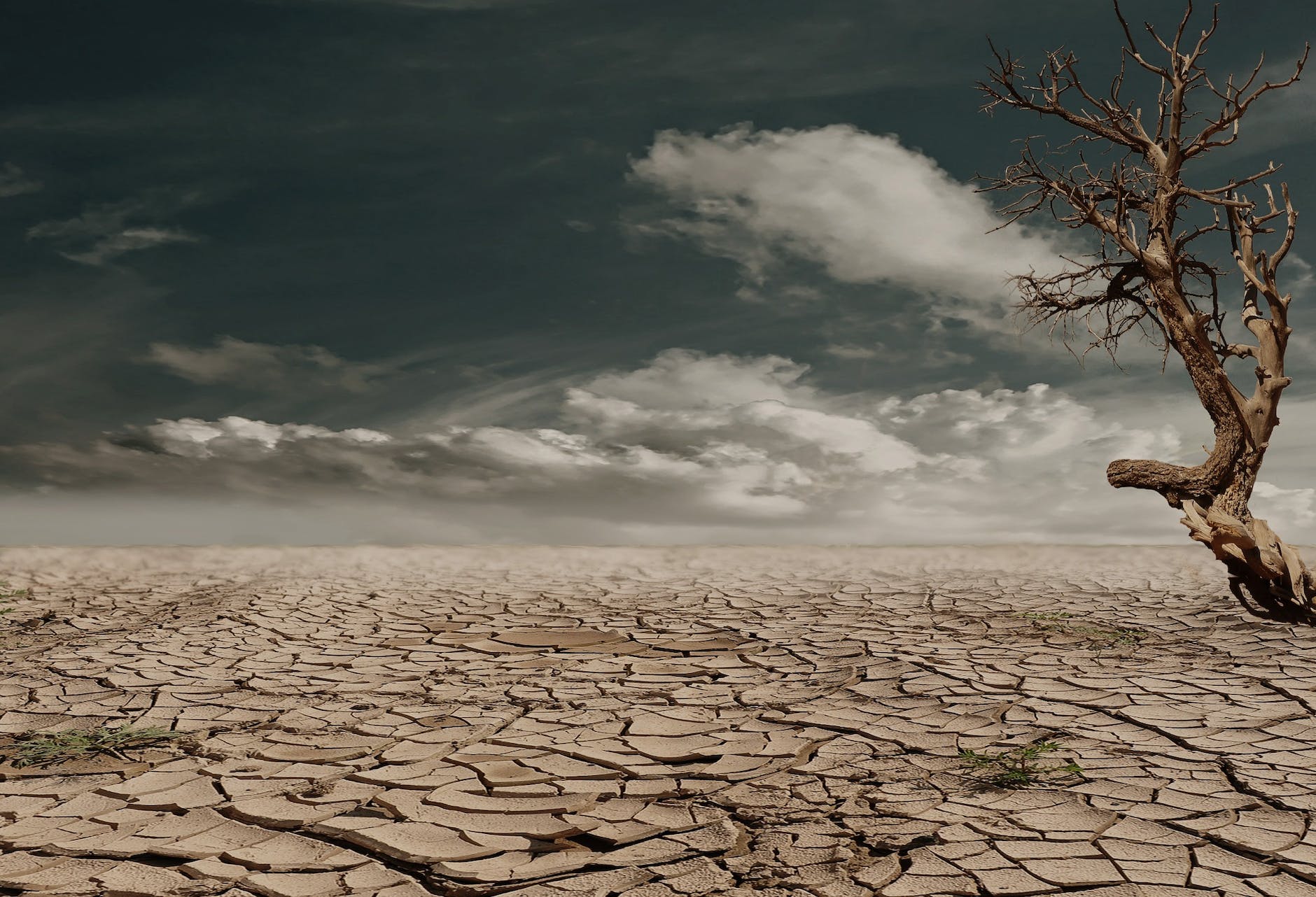
Droughts are prolonged periods of abnormally low precipitation, resulting in water shortages, dry conditions, and environmental stress. They can have profound impacts on ecosystems, agriculture, water resources, and human populations, posing significant challenges for communities around the world. In this article, we will explore the causes and effects of drought, examining how they affect people, the environment, and economies globally.
What is Drought?
Drought is a natural phenomenon characterized by a deficiency in precipitation over an extended period, leading to water scarcity and reduced soil moisture levels. Droughts can vary in duration, severity, and spatial extent, ranging from localized dry spells to widespread and prolonged periods of aridity. While droughts are a recurring feature of Earth’s climate, their frequency and intensity can be influenced by various factors, including climate variability, land use practices, and human activities.
Causes of Drought
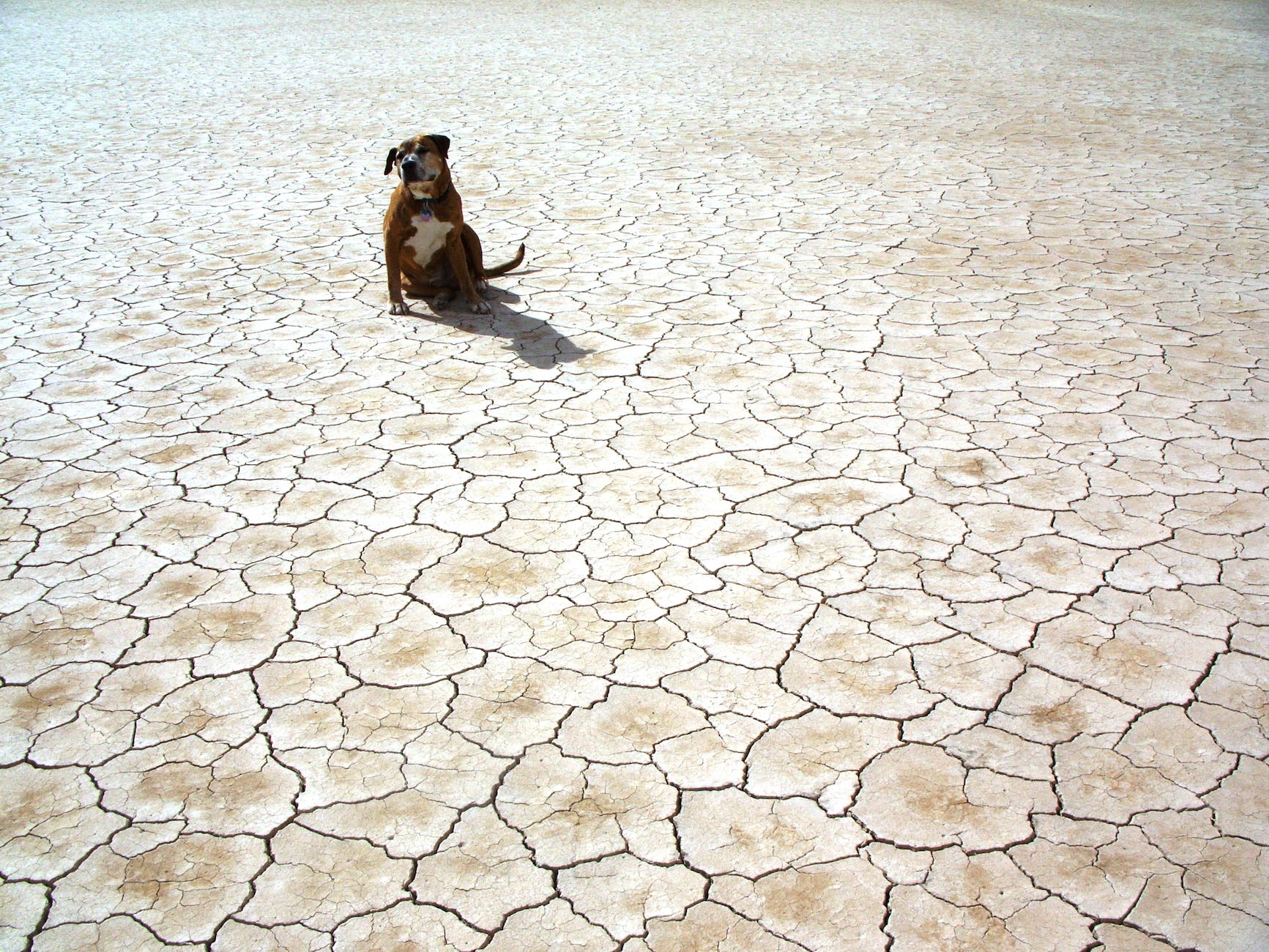
Droughts can be triggered by a combination of meteorological, hydrological, and climatological factors that disrupt the normal patterns of precipitation and water availability. Some of the primary causes of drought include:
1. Weather Patterns
Changes in atmospheric circulation patterns, such as shifts in the position of jet streams, atmospheric blocking events, and the presence of high-pressure systems, can influence regional weather patterns and precipitation distribution. Variability in sea surface temperatures, such as El Niño and La Niña events, can also affect global climate patterns and contribute to the onset of drought conditions in certain regions.
2. Precipitation Deficits
Droughts often result from prolonged periods of below-average precipitation, which can be caused by factors such as reduced cloud cover, altered storm tracks, and changes in moisture sources. Variability in rainfall patterns, including the timing, intensity, and duration of precipitation events, can exacerbate drought conditions and prolong their impact on water resources and ecosystems.
3. Soil Moisture
Low soil moisture levels can exacerbate drought conditions and contribute to the persistence of dry spells. Factors such as evaporation, transpiration, soil type, and land cover can influence soil moisture retention and infiltration rates, affecting the availability of water for plant growth, agriculture, and groundwater recharge.
4. Human Activities
Human activities, such as deforestation, urbanization, agricultural practices, and water extraction, can exacerbate drought conditions and alter local hydrological cycles. Land use changes, such as the conversion of forests to croplands or urban areas, can reduce vegetation cover and increase surface runoff, leading to soil erosion, reduced groundwater recharge, and diminished water quality.
Effects of Drought
Droughts can have wide-ranging and cascading effects on ecosystems, agriculture, water supplies, economies, and human well-being. Some of the key effects of drought include:
1. Agricultural Impacts
Droughts pose significant challenges for agriculture, affecting crop yields, livestock productivity, and food security. Reduced soil moisture levels, water shortages, and heat stress can impair crop growth, delay planting and harvesting schedules, and increase the risk of crop failures, leading to economic losses for farmers and food shortages for communities.
2. Water Scarcity
Droughts can result in water scarcity and reduced availability of freshwater resources for domestic, industrial, and agricultural use. Surface water supplies, such as rivers, lakes, and reservoirs, may experience diminished water levels and reduced flow rates, impacting aquatic ecosystems, water quality, and recreational activities.
3. Ecosystem Stress
Droughts can exert significant stress on terrestrial and aquatic ecosystems, affecting plant and animal populations, biodiversity, and ecosystem services. Reduced precipitation and soil moisture levels can lead to habitat loss, wildfires, and changes in vegetation composition, disrupting ecological processes and altering ecosystem dynamics.
4. Socioeconomic Disruptions
Droughts can cause socioeconomic disruptions, including loss of livelihoods, migration, and social unrest, particularly in vulnerable communities with limited access to resources and infrastructure. Economic sectors such as agriculture, tourism, energy production, and manufacturing may experience declines in productivity, job losses, and financial instability, exacerbating poverty and inequality.
5. Public Health Risks
Droughts can pose public health risks, including waterborne diseases, malnutrition, and heat-related illnesses, as communities struggle to access safe drinking water, food supplies, and healthcare services. Limited water availability and sanitation facilities can compromise hygiene practices and increase the risk of infectious diseases, posing challenges for disease prevention and outbreak response.
6. Environmental Degradation
Droughts can contribute to environmental degradation, including soil erosion, desertification, and loss of biodiversity, as ecosystems struggle to cope with water stress and climate extremes. Degraded habitats and landscapes may be less resilient to future disturbances, exacerbating the vulnerability of ecosystems and species to environmental change.
Conclusion: Addressing the Challenges of Drought
In conclusion, droughts are complex natural phenomena with far-reaching consequences for ecosystems, economies, and societies worldwide. By understanding the causes and effects of drought and implementing proactive measures to mitigate their impacts, we can build resilience, adapt to changing climate conditions, and safeguard the well-being of present and future generations.
Effective drought management strategies may include:
- Improving water conservation and efficiency measures
- Investing in drought-resistant crops and agricultural practices
- Enhancing monitoring and early warning systems for drought detection
- Implementing sustainable land and water management practices
- Promoting community-based adaptation and disaster preparedness efforts
Together, we can work towards mitigating the impacts of drought, promoting ecosystem health, and fostering equitable and inclusive societies that are better prepared to withstand the challenges of a changing climate.
You May Also Like

 Decoding Biosphere