Rivers have been essential lifelines for civilizations throughout history, providing water for consumption, agriculture, and transportation. However, in recent times, many of the world’s rivers are facing a dire crisis – pollution. Industrialization, urbanization, and improper waste disposal have turned several once-pristine rivers into toxic cesspools. This article covers the top 10 most polluted rivers in the world, looking at extent of the pollution problem and its far-reaching consequences.
Reasons for rivers to get polluted
Rivers can become polluted due to a variety of human activities and natural processes. Pollution in rivers can have devastating effects on aquatic ecosystems, human health, and the environment. Here are some common reasons for rivers to become polluted:
1. Industrial Discharges: Factories and industries often release untreated or inadequately treated wastewater into rivers. This wastewater can contain a wide range of pollutants, including heavy metals, toxic chemicals, and organic compounds. Industrial pollution can lead to water contamination and harm aquatic life.
2. Agricultural Runoff: Excessive use of fertilizers, pesticides, and herbicides in agriculture can result in runoff during rainfall. These chemicals can be carried into rivers, causing water pollution. Nitrogen and phosphorus from fertilizers can lead to nutrient pollution, causing harmful algal blooms and oxygen depletion in water bodies.
3. Sewage Disposal: Inadequate sewage treatment and improper disposal of sewage can result in high levels of bacteria, viruses, and other pathogens entering rivers. This can lead to the spread of waterborne diseases and pose a threat to public health.
4. Urban Runoff: Rainwater runoff from urban areas can carry pollutants such as oil, grease, heavy metals, and litter into rivers. Roads, parking lots, and buildings can contribute to the accumulation of these pollutants, which are then washed into water bodies during rainfall.
5. Illegal Dumping: Dumping of waste, including household trash, construction debris, and hazardous materials, directly into rivers is a significant source of pollution. Such practices can introduce a wide range of pollutants into the water, affecting both aquatic life and water quality.
6. Mining Activities: Mining operations can release heavy metals, acids, and other chemicals into rivers through processes like acid mine drainage. These pollutants can have long-lasting effects on water quality and aquatic ecosystems.
7. Deforestation and Soil Erosion: When forests are cleared for agriculture, construction, or logging, the exposed soil becomes susceptible to erosion during rainfall. Sediments from erosion can enter rivers, clouding the water and affecting aquatic habitats.
8. Oil Spills: Accidental oil spills, whether from transportation, shipping, or industrial activities, can release large quantities of oil into rivers. Oil spills coat water surfaces, disrupt ecosystems, and harm aquatic organisms.
9. Plastic Pollution: Improper disposal of plastic waste leads to plastic pollution in rivers. Plastics break down into microplastics, which can be ingested by aquatic organisms and make their way up the food chain, potentially harming human health.
10. Lack of Environmental Regulations: In some areas, lax environmental regulations or weak enforcement can lead to unchecked pollution. Industries and individuals may disregard responsible waste disposal practices, leading to pollution of rivers.
top 15 most polluted rivers in the world
Ranking the most polluted rivers can indeed be challenging due to the dynamic nature of pollution and the various factors involved. However, there are several rivers that are consistently highlighted as being among the most polluted based on historical data, research, and environmental assessments. Here are a few infamous rivers that are frequently cited as being among the most polluted:
1. Citarum River, Indonesia
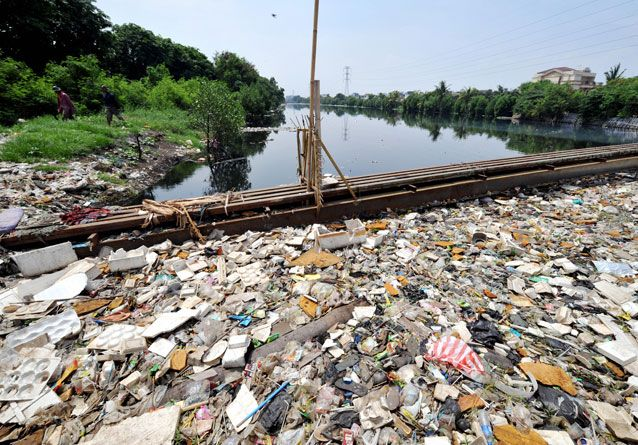
The Citarum River in Indonesia holds the unenviable title of being one of the most polluted rivers globally, often referred to as the “world’s dirtiest river.” This once-beautiful river has become a dumping ground for domestic, industrial, and agricultural waste, as well as toxic chemicals. The river’s waters are choked with plastic waste, heavy metals, and dangerous pollutants that pose grave risks to both human health and the environment. Local communities living along the riverbanks face severe health issues due to the contaminated water, while aquatic life struggles to survive amidst the toxicity.
2. Ganges River, India
The Ganges, often revered as a sacred river, has fallen victim to severe pollution due to a combination of industrial discharges, sewage, and religious practices. Despite its spiritual significance, the Ganges is heavily polluted with human waste, plastic, and toxic chemicals. The river’s water is not only unsafe for drinking and bathing but also raises concerns about the health of millions of people who rely on it. Efforts to clean the Ganges have been initiated, but the scale of pollution remains a daunting challenge.
3. Indus River, Pakistan
The Indus River, a lifeline for Pakistan, is grappling with extensive pollution issues. The river faces pollution from agricultural runoff, industrial discharges, and inadequate waste management. The widespread use of pesticides and fertilizers in the surrounding agricultural areas has led to contamination of the water with harmful chemicals. Additionally, the dumping of untreated sewage exacerbates the pollution problem, impacting aquatic life and the health of communities downstream.
4. Yangtze River, China
The Yangtze River, China’s longest and most economically significant river, faces a dual challenge of pollution and habitat degradation. Industrial discharges, urban sewage, and agricultural runoff have resulted in severe contamination of the water. Plastic pollution is a significant issue in the Yangtze, with vast amounts of plastic waste finding its way into the river and subsequently into the ocean. The decline of aquatic biodiversity and the compromised health of communities along the river’s path are stark reminders of the urgent need for remedial action.
5. Niger River, Nigeria
The Niger River in Nigeria faces pollution due to a combination of factors, including oil spills, industrial effluents, and agricultural runoff. The oil industry, which is a major part of Nigeria’s economy, has left a devastating environmental footprint along the river. Oil spills have resulted in ecological damage, harming fish populations and affecting the livelihoods of communities dependent on the river for their sustenance. Industrial pollution compounds the problem, with heavy metals and chemicals further contaminating the water.
6. Amur River, Russia and China
The Amur River, which serves as a natural border between Russia and China, is confronted with pollution concerns originating from both countries. Industrial discharges, agricultural runoff, and mining activities have contributed to water pollution. The release of untreated sewage and industrial waste into the river has led to contamination of its waters. The ecological consequences of pollution in the Amur River extend beyond borders, affecting aquatic ecosystems and the biodiversity of the region.
7. Sarno River, Italy
The Sarno River in Italy is known for its alarming pollution levels, primarily stemming from illegal waste dumping. Industrial and urban waste, including toxic chemicals and heavy metals, finds its way into the river, rendering its waters hazardous. The river’s pollution has dire consequences for human health and has led to the decline of aquatic life. The extent of pollution in the Sarno River serves as a stark reminder of the repercussions of irresponsible waste disposal.
8. Marilao River, Philippines
The Marilao River in the Philippines is plagued by pollution from a mix of sources, including industrial discharges and informal settlements along its banks. The river is heavily contaminated with heavy metals, toxic chemicals, and solid waste. The pollution has severe implications for the health of communities residing near the river, as well as the broader environment. Aquatic life is endangered, and the river’s contamination spreads to other water bodies downstream.
9. São Francisco River, Brazil
The São Francisco River in Brazil is facing pollution issues resulting from agricultural runoff, sewage, and industrial discharges. Pesticides and fertilizers used in agriculture end up in the river, impacting water quality and aquatic ecosystems. Additionally, untreated sewage from urban areas contributes to the pollution burden. The São Francisco River’s degradation is a pressing concern, given its importance as a source of water for agriculture and communities.
10. Mississippi River, United States
The Mississippi River, often seen as an emblem of American culture, confronts pollution challenges from agricultural runoff, industrial discharges, and urban waste. Nutrient runoff from agricultural fields has led to the formation of massive “dead zones” in the Gulf of Mexico, where oxygen levels are critically low and aquatic life struggles to survive. Industrial pollution further compounds the problem, impacting the health of the river’s ecosystems and those dependent on it.
11. Sao Francisco River, Brazil:
The Sao Francisco River in Brazil faces pollution from multiple sources, including industrial discharges, agricultural runoff, and urban waste. The river’s water quality is compromised by the presence of pesticides, heavy metals, and untreated sewage. Pollution in the Sao Francisco River impacts aquatic ecosystems, threatens biodiversity, and poses risks to human health.
12. Yamuna River, India:
The Yamuna River, a major tributary of the Ganges, suffers from severe pollution due to urbanization, industrial discharges, and untreated sewage. Despite various cleanup efforts, the river remains heavily contaminated with harmful bacteria, toxins, and pollutants. The pollution in the Yamuna has led to environmental degradation and public health concerns for communities living along its banks.
13. Matanza-Riachuelo River, Argentina:
Known as one of the most polluted water bodies in Argentina, the Matanza-Riachuelo River is heavily contaminated with industrial waste, sewage, and chemicals. The river’s pollution stems from decades of unregulated industrial activities and inadequate waste management. The contamination has led to health issues and environmental degradation in the surrounding area.
14. Congo River, Democratic Republic of Congo:
The Congo River, one of the longest and most significant rivers in Africa, faces pollution challenges from mining activities, deforestation, and agricultural runoff. Mercury and other heavy metals from mining operations contaminate the water, impacting aquatic life and communities that depend on the river for their livelihoods.
15. Pasig River, Philippines:
The Pasig River in the Philippines has been heavily polluted due to urbanization, industrial discharges, and improper waste management. The river was once biologically dead due to high levels of pollution, but cleanup efforts have led to some improvements. However, significant challenges remain in revitalizing the river and restoring its ecosystem.
How Can we clean polluted river water?
Cleaning polluted river water is a complex and challenging task that requires a combination of strategies, technologies, and coordinated efforts from governments, industries, communities, and environmental organizations. While there is no one-size-fits-all solution, several approaches can be employed to address the problem of polluted river water:
1. Waste Management and Reduction:
A fundamental step in cleaning polluted river water is to prevent the introduction of pollutants in the first place. Implementing proper waste management practices, including reducing plastic usage, recycling, and safely disposing of hazardous materials, can significantly reduce the amount of pollution entering rivers.
2. Sewage Treatment and Infrastructure:
Investing in effective sewage treatment plants and infrastructure is crucial. Proper treatment of domestic and industrial wastewater before it is released into rivers can significantly reduce contamination levels. Upgrading outdated or inadequate sewage systems can prevent untreated sewage from entering water bodies.
3. Industrial Regulations and Enforcement:
Stringent regulations and effective enforcement mechanisms are essential to control industrial discharges. Industries should be required to treat their wastewater to meet specified environmental standards before releasing it into rivers.
4. Agricultural Best Practices:
Promoting sustainable agricultural practices can minimize nutrient runoff and pesticide contamination. Techniques such as precision farming, crop rotation, and planting cover crops can reduce the impact of agricultural activities on water quality.
5. Riparian Buffer Zones:
Creating and maintaining vegetative buffer zones along riverbanks can help filter pollutants before they enter the water. Trees, plants, and grasses can trap sediment and absorb nutrients, improving water quality.
6. Innovative Technologies:
Advancements in water treatment technologies can play a crucial role in cleaning polluted river water. These technologies include advanced filtration systems, electrochemical treatment, and bioremediation techniques that use microorganisms to break down pollutants.
7. Plastic Removal:
Plastic pollution is a major concern in many rivers. Implementing systems to capture and remove plastic waste from rivers can prevent it from entering the ocean and harming aquatic life.
8. Eco-Friendly Industries:
Promoting industries that prioritize sustainability and environmentally friendly practices can reduce pollution at the source.
While there is no quick-fix solution, a combination of these strategies, tailored to the specific context of each river, can contribute to cleaning polluted river water.
Conclusion: A Call for Global Action
The distressing state of these 10 most polluted rivers in the world is a testament to the urgent need for global action to address water pollution. The consequences of polluted rivers extend far beyond their immediate vicinity, affecting aquatic life, ecosystems, and human communities downstream. Governments, industries, and communities must come together to implement effective waste management strategies, enforce environmental regulations, and invest in sustainable practices to reverse the tide of pollution. The health of these rivers is a reflection of our commitment to the planet’s well-being and the sustainability of future generations.

 Decoding Biosphere