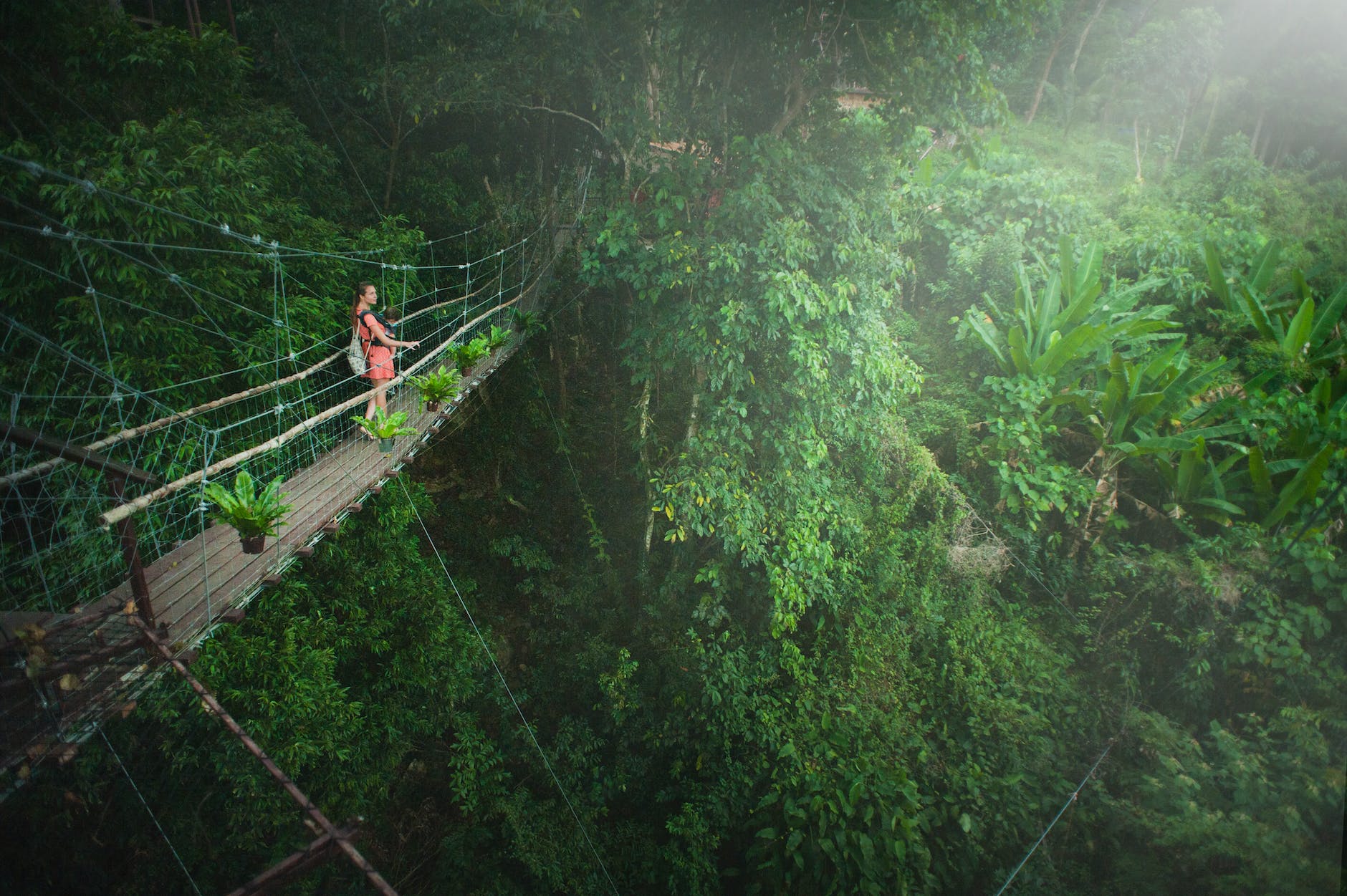
Welcome to the mesmerizing world of temperate rain forests! Here, ancient trees and lush vegetation create a haven of enchantment. In this article, we will explore the hidden gems and captivating secrets that make these forests remarkable. Located in temperate regions with abundant rainfall, these ecosystems thrive in a delicate balance of moisture and mild temperatures. With their dense canopies and rich biodiversity, temperate rain forests are a sanctuary for countless species, some of which cannot be found anywhere else on Earth. Discover the beauty of towering conifers like redwoods and cedars, their centuries-old trunks standing tall as witnesses to the passage of time. Immerse yourself in the symphony of sounds created by the rustling of leaves, the singing of birds, and the gentle flow of crystal-clear streams.

What Defines a Temperate Rain forest?
1. Location and Climate
Temperate rainforests are found primarily in the mid-latitudes, spanning both the Northern and Southern Hemispheres. These verdant havens flourish between approximately 40° and 60° latitude. Key regions include:
- North American Pacific Northwest: The mist-shrouded forests of Oregon, Washington, and British Columbia.
- Appalachian Region: The lesser-known but equally enchanting Appalachian temperate rainforest in the eastern United States.
- Southwestern South America: The Valdivian temperate rainforests in Chile and Argentina.
- New Zealand and Southeastern Australia: Where ancient ferns and towering eucalyptus trees thrive.
- Northwest Europe: Pockets in Great Britain, Ireland, southern Norway, and northern Iberia.
- Southern Japan: Home to mystical forests of cedar and cypress.
- Black Sea – Caspian Sea Region: From Bulgaria’s coast to Georgia and northern Iran.
2. Abundant Moisture
The defining feature of temperate rainforests is their heavy rainfall. These forests receive copious amounts of precipitation year-round, nurturing a lush understory of mosses, ferns, and berry-bearing shrubs. Nurse logs—fallen trees that provide ecological support to seedlings—dot the forest floor, creating a cradle for new life.
3. Towering Giants
The canopy of temperate rainforests is dominated by majestic trees. Here, the Coast Redwood (Sequoia sempervirens) reigns supreme, reaching heights that defy imagination. Other key species include the Coast Douglas-fir, Sitka Spruce, Western Hemlock, and Western Red Cedar. These giants form a living cathedral, their branches interwoven like ancient tapestries.
Biodiversity and Fauna
1. A Symphony of Life
Temperate rainforests harbor an astonishing array of life. From elusive mammals like moose and reindeer to avian wonders like falcons and owls, these forests hum with activity. The dense foliage ensures that even sunlight tiptoes through the leaves, creating a magical twilight below.
2. Old-Growth Treasures
Some of the world’s largest expanses of old-growth forests reside within temperate rainforest realms. Olympic National Park, Mount Rainier National Park, and the coastal Great Bear Rainforest in British Columbia boast ancient trees that have witnessed centuries pass. These giants are guardians of biodiversity, providing habitat for countless species.
Environmental Challenges
1. Threats and Conservation Efforts
Despite their resilience, temperate rainforests face threats. Logging, deforestation, and human-induced fires endanger their delicate balance. However, there’s hope. The Biden administration recently restored roadless protection to over 9 million acres of the Tongass National Forest in Alaska—the largest intact temperate rainforest on Earth.
Exploring the Flora and Fauna of Temperate Rainforests
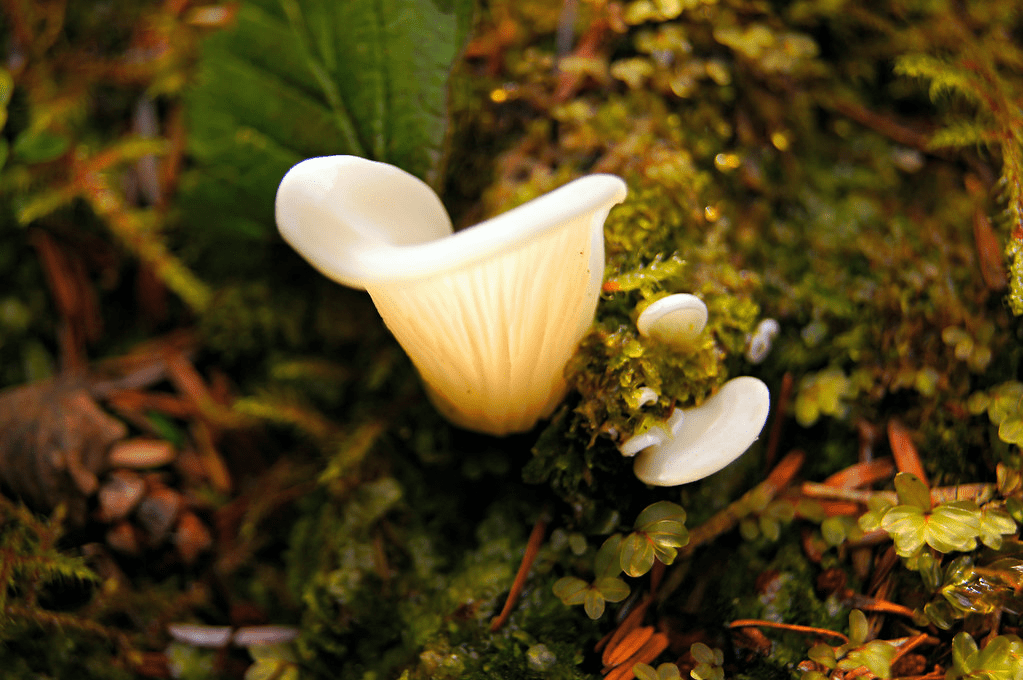
- Flora: Besides towering trees, temperate rainforests host a rich tapestry of ferns, lichens, and epiphytes. Mosses cling to every surface, creating a velvety green world. Look out for delicate orchids and vibrant fungi.
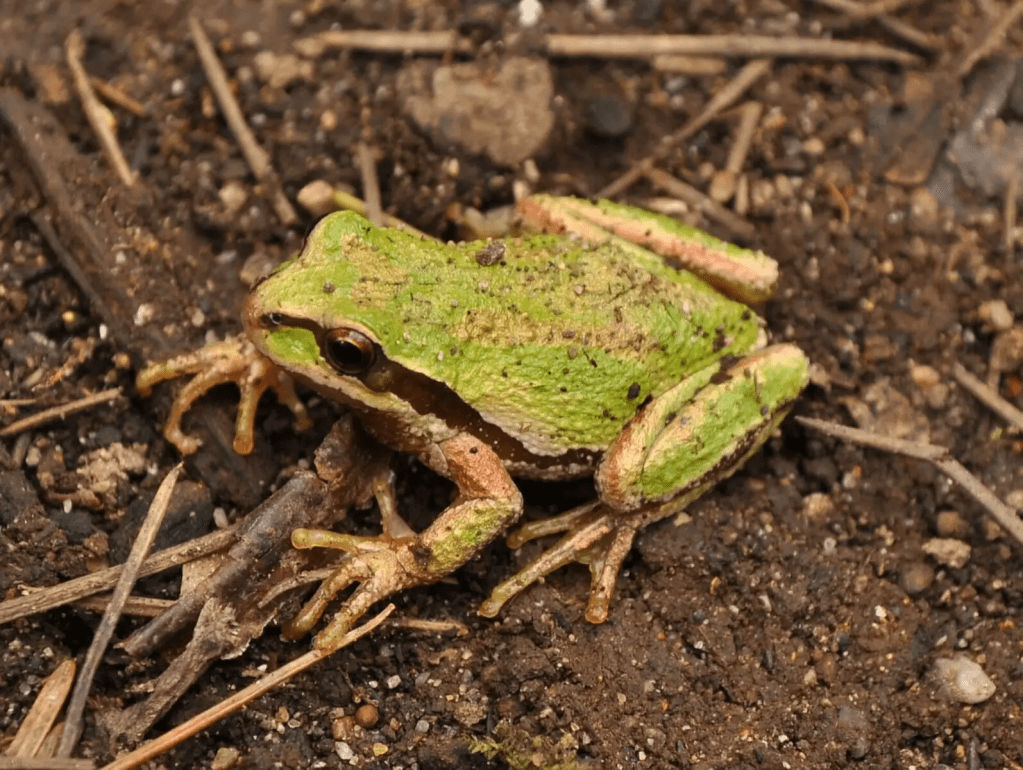
- Fauna: Moose, black bears, and elusive cougars roam these forests. Birdwatchers delight in spotting eagles, owls, and warblers. Amphibians like the Pacific tree frog and salamanders thrive in the dampness.
Popular Temperate Rainforest Destinations
- Great Bear Rainforest, British Columbia: A pristine wilderness where grizzlies and wolves roam freely.
- Olympic National Park, Washington: Home to ancient trees and the Hoh Rainforest.
- Tongass National Forest, Alaska: The largest temperate rainforest, teeming with wildlife.
- Fiordland National Park, New Zealand: A land of fjords, waterfalls, and lush greenery.
Hiking and Camping Tips for Exploring Temperate Rainforests
- Layer Up: The weather can change rapidly. Dress in moisture-wicking layers.
- Waterproof Gear: Invest in quality rain gear to stay dry during downpours.
- Trail Etiquette: Stick to designated trails to protect fragile ecosystems.
- Wildlife Awareness: Keep a safe distance from animals and respect their habitat.
Photography Opportunities in Temperate Rainforests
- Misty Mornings: Capture the ethereal beauty of fog-shrouded trees.
- Sunbeams Through Canopy: Wait for those magical moments when sunlight pierces the foliage.
- Macro Magic: Zoom in on moss-covered rocks, dew-kissed leaves, and tiny creatures.
- Wildlife Portraits: Patience pays off—snap photos of elusive animals.
Conclusion
As we explore the wet ferns and listen to the mysterious sounds of hidden animals, let’s appreciate these magical areas. Temperate rainforests are not just natural environments; they are like living poems—a sign of nature’s strength and our duty to safeguard them.
Sources:
- Wikipedia: Temperate Rainforest
- World Economic Forum: Protecting North America’s Rainforests
- GeeksforGeeks: Temperate Evergreen Forests
You May Also Like

 Decoding Biosphere