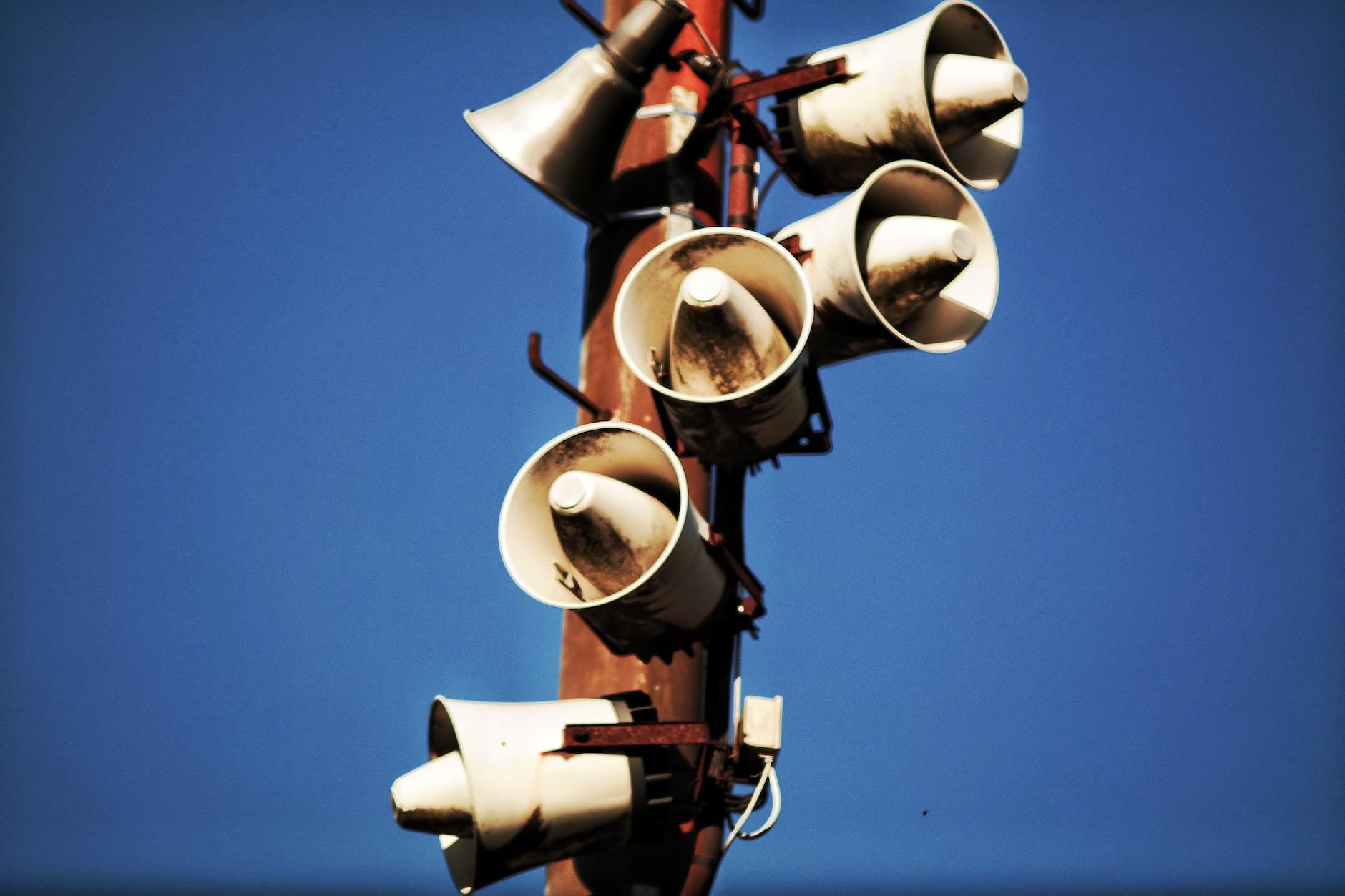

Sound energy is an integral part of our daily lives, often operating discreetly in the background. It’s the gentle hum of your refrigerator, the soothing melody of your favorite song, and even the distant rumble of thunder on a stormy day. While it may not be as tangible as other forms of energy, sound energy holds a unique significance in our understanding of the world around us. In this article let us know more about sound energy, from its fundamental properties to its diverse applications and impact on the environment.
Understanding Sound Energy
At its core, sound energy is a form of mechanical energy that originates from the vibrations of objects. Unlike electromagnetic waves, such as light, sound requires a medium to travel through. When you clap your hands, strike a bell, or speak, you set in motion a series of vibrations that create sound waves. These waves consist of alternating compressions and rarefaction, which propagate through the air as pressure disturbances.
Characteristics of Sound Energy
Sound waves exhibit several key characteristics that influence our perception of sound. These include:
- Frequency: Frequency refers to the number of oscillations or cycles per second and is measured in Hertz (Hz). High-frequency sound waves produce a higher pitch, while low-frequency waves result in lower pitches. For instance, the chirping of birds has a higher frequency than the rumbling of thunder.
- Amplitude: Amplitude represents the magnitude or intensity of sound waves and is measured in decibels (dB). Greater amplitude corresponds to louder sounds, while smaller amplitudes create softer sounds. Think of the difference between a whisper and a shout.
- Wavelength: Wavelength is the distance between two consecutive points of a wave with the same phase. It is inversely proportional to frequency, meaning high-frequency waves have shorter wavelengths, and vice versa.
Understanding these characteristics is essential to appreciating the rich tapestry of sounds that surround us daily. They dictate the pitch, volume, and timbre of the sounds we encounter.
Sources of Sound Energy
The sources of sound energy are as diverse as the sounds themselves. They encompass a wide array of everyday phenomena, including:
- Musical Instruments: Instruments like pianos, guitars, and drums produce sound through the vibrations of strings, membranes, and air columns.
- Human Voices: Our vocal cords create sound by vibrating as air passes through them. The manipulation of these vibrations produces speech and singing.
- Machinery and Technology: Engines, motors, and electronic devices generate sound energy as a byproduct of their operation. Think of the rumbling of a car engine or the buzzing of your smartphone.
The Transmission of Sound
Sound waves are remarkable travelers, capable of traversing various mediums with distinct properties. Here’s how sound propagates through different materials:
- Air: Sound travels most efficiently through air, which is the medium we commonly associate with sound transmission. The speed of sound in dry air at room temperature is approximately 343 meters per second (1235 feet per second).
- Water: Sound travels even faster in water, at a speed of about 1,480 meters per second (5085 feet per second). This is why you can hear sounds when swimming or submerged underwater.
- Solids: Sound travels exceptionally well in solids, often much faster than in air or water. For instance, it can travel at speeds of up to 5000 meters per second in steel.
Understanding the speed of sound in different mediums is crucial in various applications, such as underwater communication and seismic analysis.
Applications of Sound Energy
Sound energy plays a pivotal role in an array of applications, influencing technology and enhancing our daily lives:
- Music and Entertainment: Sound energy is the backbone of the music industry. Microphones, amplifiers, and speakers convert sound waves into electrical signals and vice versa, allowing us to enjoy music and movies.
- Communication: Telephones, radios, and intercom systems rely on sound energy to transmit messages over long distances. Sound waves are converted into electrical signals, transmitted, and then converted back into sound at the receiving end.
- Medical Devices: Ultrasound machines employ sound energy to create images of the body’s internal structures. Doctors can visualize organs, monitor pregnancies, and diagnose medical conditions without invasive procedures.
Conversion of Sound Energy
One of the intriguing aspects of sound energy is its convertibility into other forms of energy:
- Microphones: Microphones are devices that transform sound energy (pressure variations in the air) into electrical energy (varying voltage signals). This conversion allows us to record voices, music, and sounds.
- Speakers: On the flip side, speakers do the opposite—they convert electrical energy into sound energy. An electrical current passing through a coil produces vibrations, which generate sound waves.
Sound Energy and the Environment
While sound energy itself isn’t inherently harmful to the environment, its misuse can lead to noise pollution. Excessive noise, often produced by industrial machinery, transportation, and urban development, can have detrimental effects on ecosystems and human health. Noise pollution can disrupt animal behavior, interfere with communication, and even lead to stress and hearing loss in humans.
Managing sound energy and reducing noise pollution are essential for maintaining ecological balance and the well-being of communities.
Also Read: Noise Pollution and Control: A Comprehensive Analysis
Interesting Facts and Phenomena
Sound energy hides a world of fascinating phenomena, including:
- The Doppler Effect: This phenomenon describes the change in the frequency and wavelength of sound waves as a source and observer move relative to each other. It’s why a passing ambulance siren seems to change pitch.
- Speed of Sound Variations: The speed of sound isn’t constant and varies with factors like temperature, humidity, and the medium through which it travels. In space, where there’s no air, sound cannot propagate.
Conclusion
Sound energy, with its unique characteristics and versatile applications, is an omnipresent force shaping our sonic world. From the melodious tunes that fill concert halls to the vital role it plays in medical diagnostics, sound energy enriches our lives in countless ways.
FAQs on Sound Energy
1. What is sound energy?
- Sound energy is a form of mechanical energy that results from the vibrations of objects and is transmitted through a medium in the form of sound waves.
2. How are sound waves created?
- Sound waves are created when an object vibrates, causing the air molecules around it to compress and expand, creating a series of pressure disturbances that propagate as sound waves.
3. What are the key characteristics of sound waves?
- The key characteristics of sound waves include frequency (pitch), amplitude (loudness), and wavelength. These properties determine how we perceive different sounds.
4. How fast does sound travel through air?
- The speed of sound in dry air at room temperature is approximately 343 meters per second (1235 feet per second).
5. What are some everyday sources of sound energy?
- Everyday sources of sound energy include musical instruments, human voices, machinery, and electronic devices. These sources generate vibrations that produce sound waves.
6. How does sound travel through water?
- Sound travels faster in water than in air, at a speed of about 1,480 meters per second (5085 feet per second). This is why you can hear sounds when underwater.
7. What are the applications of sound energy in technology?
- Sound energy is used in technology for communication (telephones, radios), entertainment (music and movies), and medical imaging (ultrasound machines).
8. Can sound energy be converted into other forms of energy?
- Yes, sound energy can be converted into electrical energy using microphones and vice versa using speakers. Microphones convert sound waves into electrical signals, while speakers transform electrical signals into sound waves.
9. What is noise pollution, and how does it relate to sound energy?
- Noise pollution is the excessive and disruptive noise caused by human activities. It often results from the misuse of sound energy, such as loud machinery or transportation, and can have negative effects on the environment and health.
10. What is the Doppler Effect in sound energy?
- The Doppler Effect is a phenomenon where the frequency and wavelength of sound waves change as a sound source and observer move relative to each other. This effect explains why the pitch of a passing siren appears to change as it approaches and then moves away from you.
Also read:

 Decoding Biosphere