
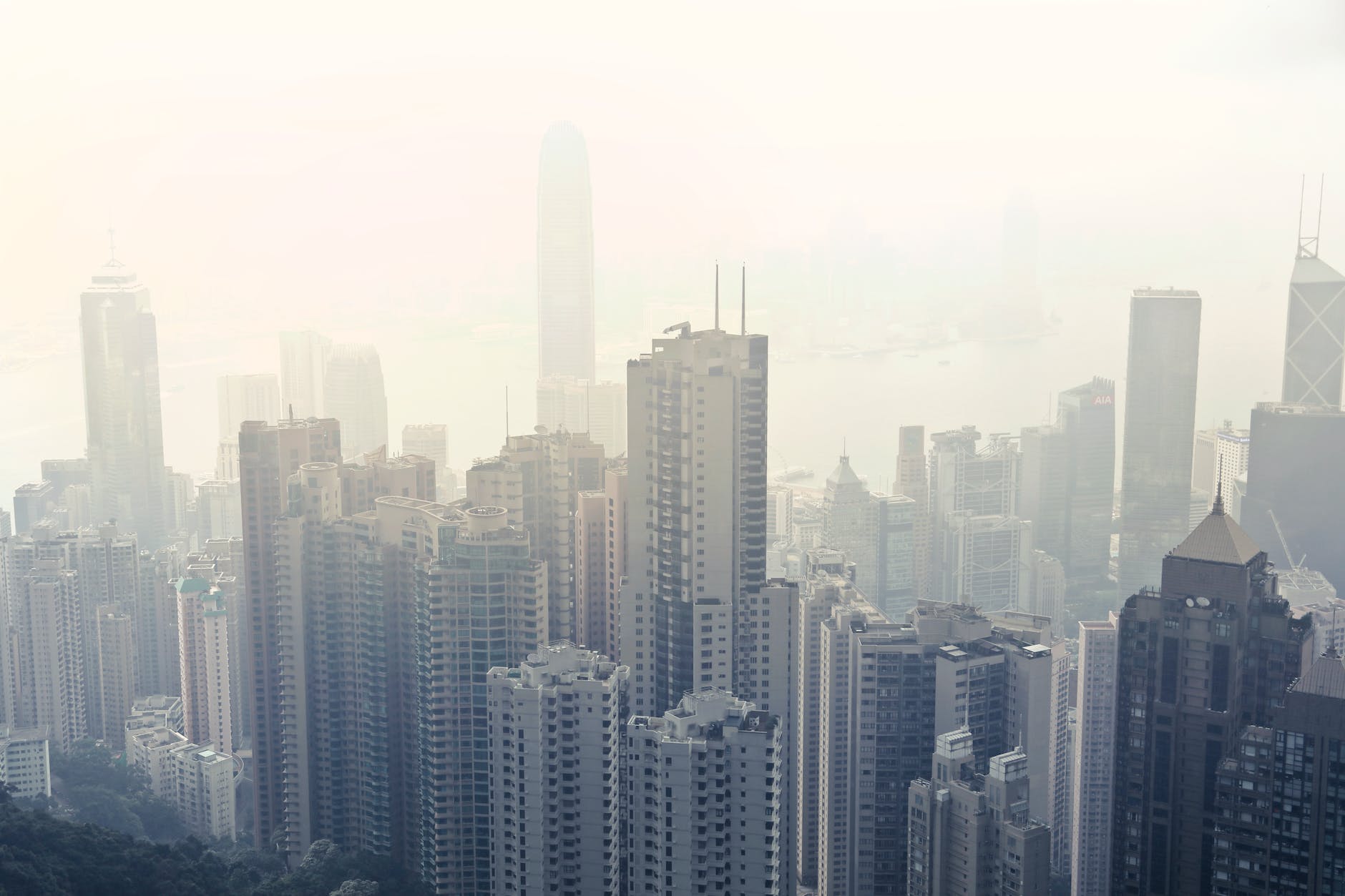
Smog is a major environmental issue that affects cities and urban areas worldwide. It is a type of air pollution that occurs when harmful pollutants mix with fog, leading to a thick and hazy atmosphere. Smog can have severe consequences for both human health and the environment. In this article, we will look at what smog is, its causes, its effects on health and the environment, and the potential solutions to combat this pressing problem.
Define Smog
Smog is a term derived from combining “smoke” and “fog,” signifying the visible haze that forms when smoke or other pollutants combine with fog or water vapor. This phenomenon creates a thick, grayish-white layer of air pollution that reduces visibility and poses a range of health risks.
Causes of Smog
Smog primarily results from the interaction of pollutants emitted by human activities with natural atmospheric conditions. The main sources of smog-forming pollutants include:
- Vehicle Emissions: Automobile exhaust releases nitrogen oxides (NOx) and volatile organic compounds (VOCs), which are major contributors to smog formation.
- Industrial Activities: Factories and power plants emit various pollutants, such as sulfur dioxide (SO2) and particulate matter (PM), which react in the atmosphere to form smog.
- Agricultural Practices: Agricultural activities, including the use of fertilizers and burning of crop residues, release ammonia and other pollutants that contribute to smog.
- Residential Heating: Burning of wood, coal, or other solid fuels for heating in homes can release particulate matter and other smog-forming pollutants.
Effects of Smog
Smog has far-reaching effects on both human health and the environment:
- Respiratory Problems: Breathing in smog can irritate the respiratory system, leading to coughing, throat irritation, and exacerbation of asthma and other respiratory conditions.
- Cardiovascular Issues: Long-term exposure to smog has been linked to an increased risk of heart disease, heart attacks, and strokes.
- Environmental Impact: Smog damages plant life, reduces crop yields, and harms sensitive ecosystems. It can also lead to the acidification of water bodies and contribute to climate change.
- Reduced Visibility: Smog significantly reduces visibility, which can lead to traffic accidents and transportation disruptions.
Solutions to Combat Smog
Addressing smog requires a comprehensive approach involving governments, industries, and individuals:
- Emission Reduction: Implement strict regulations on vehicle emissions and industrial pollution. Encourage the use of clean energy sources and promote public transportation to reduce vehicle emissions.
- Air Quality Monitoring: Establish air quality monitoring systems to track smog levels and provide real-time information to the public.
- Urban Planning: Design cities with green spaces, pedestrian-friendly areas, and efficient public transportation systems to minimize reliance on cars.
- Awareness and Education: Educate the public about the harmful effects of smog and encourage actions that reduce personal contributions to air pollution.
Frequently Asked Questions (FAQs) about Smog:
What is smog, and how is it formed?
Smog is a type of air pollution that occurs when pollutants, such as nitrogen oxides (NOx), volatile organic compounds (VOCs), sulfur dioxide (SO2), and particulate matter (PM), react with sunlight and fog or water vapor in the atmosphere.
What are the main sources of smog-forming pollutants?
The primary sources of smog-forming pollutants include vehicle emissions, industrial activities, agricultural practices, and residential heating using solid fuels.
What are the health effects of smog exposure?
Smog can cause respiratory problems, such as coughing, throat irritation, and worsened asthma. Long-term exposure is linked to cardiovascular issues, such as heart disease and strokes.
How does smog impact the environment?
Smog damages plant life, reduces crop yields, harms sensitive ecosystems, and contributes to the acidification of water bodies. It also plays a role in climate change.
What are the common symptoms of smog-related health issues?
Common symptoms include difficulty breathing, chest tightness, wheezing, eye irritation, and reduced lung function, especially for vulnerable populations like children, the elderly, and those with pre-existing respiratory conditions.
What can individuals do to protect themselves from smog?
Limit outdoor activities during high smog days, especially during peak pollution hours. Stay indoors in well-ventilated areas, use air purifiers, and wear masks if needed.
How can governments address smog?
Governments can implement emission reduction policies and enforce regulations on industries and transportation. They can also invest in clean energy sources and promote public transportation to reduce vehicle emissions.
Are there specific areas more prone to smog?
Yes, urban areas with dense traffic, industries, and limited green spaces are more susceptible to smog formation due to higher pollutant emissions and less dispersion.
What is the role of weather conditions in smog formation?
Weather conditions, such as temperature inversions, can trap pollutants close to the ground, making smog more persistent and severe.
What is the difference between smog and other types of air pollution?
Smog is specifically characterized by the visible haze that forms when pollutants mix with fog or water vapor. Other types of air pollution may not have this visible component.
Can smog be reduced naturally?
Some natural processes, like rainfall and wind, can help disperse smog and temporarily reduce pollution levels. However, long-term solutions require human interventions and emission reduction efforts.
Are there international efforts to address smog?
Yes, various international organizations and agreements aim to address air pollution and reduce smog levels on a global scale.
What are the benefits of reducing smog pollution?
Reducing smog pollution leads to improved air quality, better respiratory health for the population, protection of ecosystems, and a more sustainable environment. It also helps mitigate climate change effects.
How can I check the current smog levels in my area?
Many cities and countries have air quality monitoring systems that provide real-time data on smog and other pollutants. Online resources and mobile apps often offer this information for public access.
You May Also Like

 Decoding Biosphere