As the world faces growing challenges in managing sanitation and hygiene effectively, innovative technologies have emerged to transform traditional systems into smart sanitation solutions. Smart sanitation systems applies advanced technologies, data analytics, and automation to enhance efficiency, reduce resource consumption, and promote better public health. This article looks into the concept of smart sanitation systems, their benefits, and real-world examples of their implementation.
What are Smart Sanitation Systems?
Smart sanitation systems are a new generation of sanitation infrastructure that incorporates cutting-edge technologies to optimize resource usage and improve operational management. These systems use sensors, data analytics, and Internet of Things (IoT) devices to collect and process information about water usage, waste levels, foot traffic, and maintenance requirements in real-time. The data gathered allows for informed decision-making, making sanitation facilities more responsive and cost-effective.
The Benefits of Smart Sanitation Systems:
Water Efficiency: Smart sanitation systems help reduce water wastage by precisely monitoring water flow and adjusting usage based on demand. For instance, these systems can detect footfall in public restrooms and adjust flushing volumes accordingly, leading to significant water savings.
Timely Maintenance: With automated data collection, smart sanitation systems can identify potential issues, such as clogged pipes or overflowing waste bins, and promptly alert maintenance teams. Early detection and rapid response prevent further problems and ensure consistent cleanliness.
Improved Public Health: By maintaining sanitation facilities at optimal levels, smart systems reduce the risk of disease transmission and contamination. This leads to healthier communities and improved public health outcomes.
Energy Efficiency: Smart sanitation systems can also optimize energy usage, particularly in waste treatment processes. By automating energy-demanding tasks, such as waste processing or water heating, these systems help decrease energy consumption and associated greenhouse gas emissions.
Real-World Examples:
Singapore’s Smart Toilets: Singapore’s government has implemented smart sanitation systems in public toilets across the city-state. These toilets feature automated flushing, touchless faucets, and occupancy sensors, ensuring efficient water usage and improved hygiene.

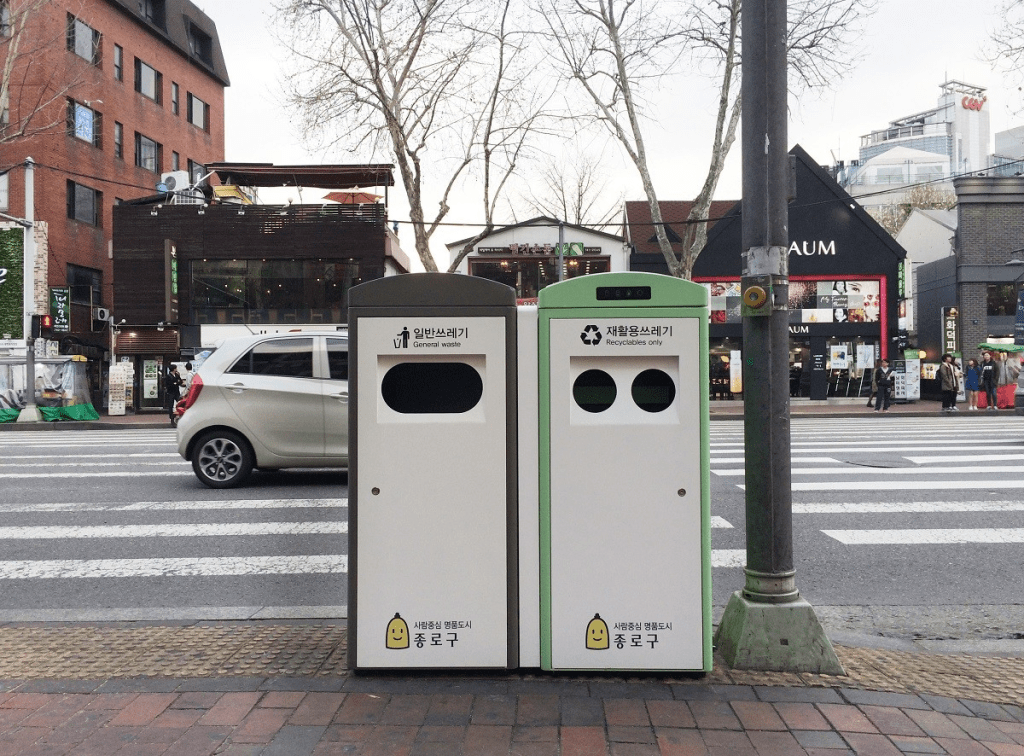
South Korea’s IoT Waste Bins: In several South Korean cities, IoT-enabled waste bins automatically compact waste and notify waste collection teams when they are full, optimizing waste management routes and reducing collection costs.
Final Notes:
Smart sanitation systems hold great promise in revolutionizing the way we manage sanitation infrastructure and address global challenges related to water scarcity, public health, and environmental sustainability. By leveraging technology to improve efficiency, reduce resource consumption, and enhance public health outcomes, these innovations contribute to creating cleaner, more sustainable, and livable communities. As technology continues to advance and smart solutions become more accessible, smart sanitation systems are poised to play a pivotal role in shaping the future of sanitation worldwide.
You May Also Like

 Decoding Biosphere