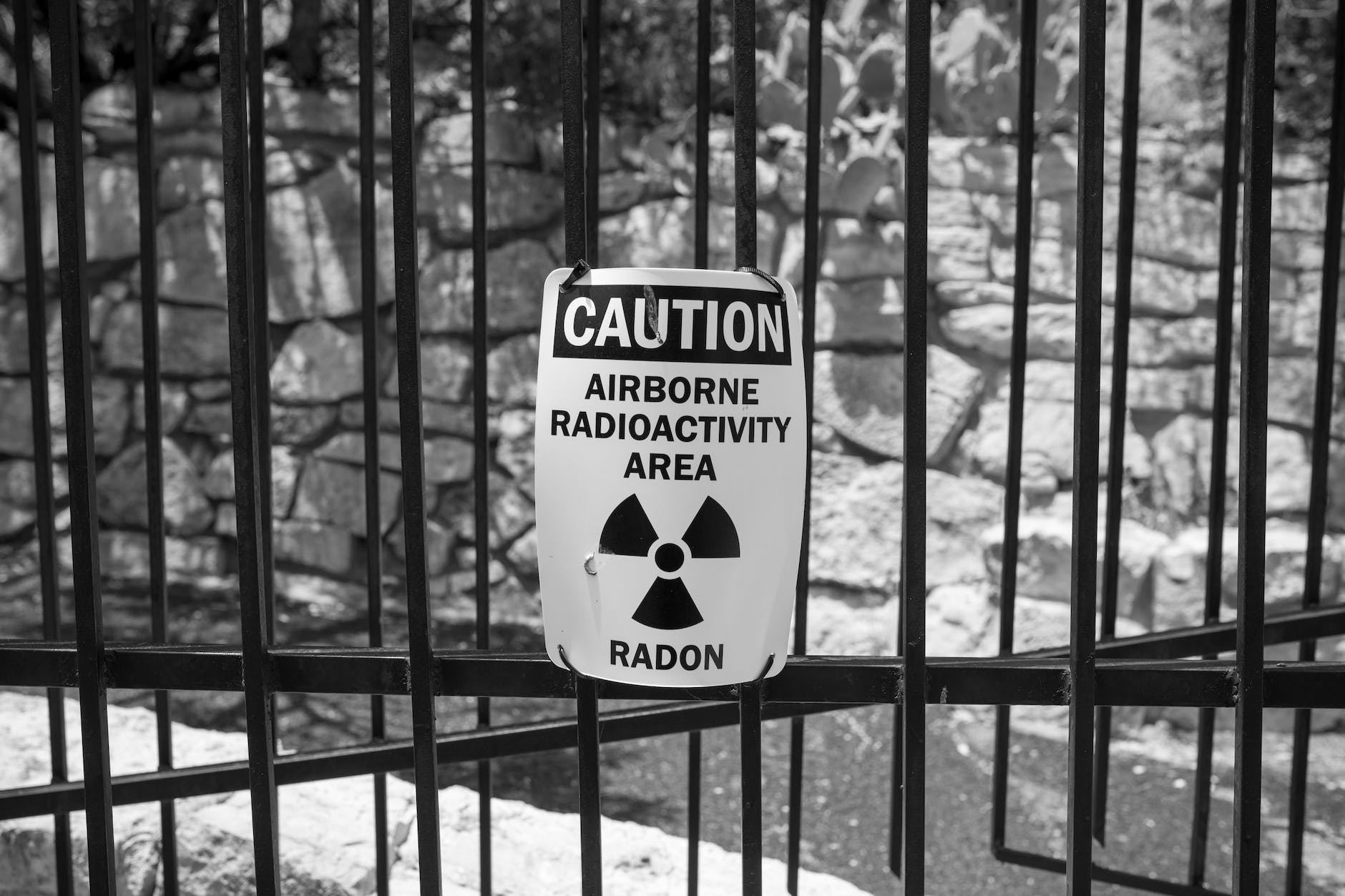
Radioactivity, a term that invokes both curiosity and caution, refers to the spontaneous emission of radiation from certain elements. The discovery of radioactivity in the late 19th century marked a profound shift in our understanding of the fundamental nature of matter and energy. In this article, we will explore the different types of radioactivity, the methods used to measure it, and the implications of harnessing its power.
The Discovery of Radioactivity
Radioactivity’s origins can be traced back to the late 19th century when scientists began to observe peculiar phenomena associated with certain elements. Henri Becquerel’s accidental discovery of uranium’s ability to darken photographic plates even in the absence of light led to the unraveling of radioactivity’s mysteries. Subsequent research by Marie Curie and her husband Pierre Curie further refined our understanding of this phenomenon.
Types of Radioactivity
Radioactive decay involves the spontaneous transformation of unstable atomic nuclei into more stable configurations. There are three main types of radioactivity: alpha decay, beta decay, and gamma decay.
1. Alpha Decay
Alpha decay involves the emission of alpha particles, which are composed of two protons and two neutrons. The emission of an alpha particle results in the atom losing two protons and two neutrons, thereby transforming into a different element. This process reduces the atomic number by two and the atomic mass by four.
2. Beta Decay
Beta decay involves the emission of beta particles, which are high-energy electrons (beta-minus) or positrons (beta-plus). In beta-minus decay, a neutron transforms into a proton by emitting an electron and an antineutrino. In beta-plus decay, a proton transforms into a neutron by emitting a positron and a neutrino. These processes change the atomic number of the atom while leaving the atomic mass unchanged.
3. Gamma Decay
Gamma decay involves the emission of gamma rays, which are high-energy photons. Unlike alpha and beta decay, gamma decay does not result in a change in the number of protons or neutrons in the nucleus. Instead, it serves to stabilize the nucleus by releasing excess energy.
Measurement of Radioactivity
The quantification of radioactivity involves measuring the rate at which radioactive particles decay. This rate is often referred to as the activity of a radioactive sample and is measured in units called becquerels (Bq) or curies (Ci).
1. Geiger-Muller Counters: Detecting Radiation
Geiger-Muller counters, commonly known as Geiger counters, are handheld devices that detect and measure ionizing radiation. They operate by detecting the electrical charge produced when radiation interacts with a gas in the device. Geiger counters provide a quick and simple way to assess radiation levels but do not distinguish between different types of radiation.
2. Scintillation Detectors: Detecting Light Emission
Scintillation detectors measure the light emitted when ionizing radiation interacts with certain materials called scintillators. The amount of light emitted is proportional to the energy of the incoming radiation, allowing researchers to identify the type of radiation based on the emitted light’s characteristics.
3. Ionization Chambers: Measuring Ionization
Ionization chambers measure the electrical current produced when ionizing radiation passes through a gas. They provide accurate measurements of radiation intensity and can be used to determine the energy of radiation particles.
4. Liquid Scintillation Counters: Measuring Liquid Samples
Liquid scintillation counters are used to measure the radioactivity of liquid samples. These counters use liquid scintillators, which emit light when ionizing radiation interacts with them. The amount of light emitted is proportional to the amount of radiation in the sample.
Implications of Radioactivity
1. Medical Applications
Radioactivity’s medical applications have revolutionized healthcare. X-rays, discovered by Wilhelm Roentgen, are used in radiology to visualize internal structures of the body. Radioactive isotopes are employed in cancer treatment through radiotherapy, targeting and destroying cancer cells while sparing healthy tissue.
2. Nuclear Power
Radioactive elements like uranium and plutonium are used in nuclear power generation. Nuclear reactors harness the heat produced by nuclear fission to generate electricity. While nuclear power offers a low-carbon energy source, it also raises concerns about radioactive waste management, reactor safety, and the potential for nuclear accidents.
3. Environmental Impact and Radioactive Contamination
Radioactive contamination can occur through nuclear accidents, improper waste disposal, or natural processes. Radioactive elements released into the environment can accumulate in plants, animals, and humans, potentially causing health risks and environmental degradation.
Conclusion
The study of radioactivity has transformed our understanding of the building blocks of the universe and has paved the way for groundbreaking technologies in various fields. From medical diagnostics and treatments to energy generation and understanding the Earth’s history, radioactivity’s applications are vast and impactful.
However, as we harness the power of radioactivity, we must navigate the challenges it poses, including waste management, environmental impact, and safety concerns. By employing meticulous measurement techniques and maintaining strict regulations, we can harness the benefits of radioactivity while mitigating its potential risks.
You May Also Like

 Decoding Biosphere