Radiation is all around us, coming from both natural sources and human activities. While some types of radiation are harmless, others can pose risks to our health and the environment. In this article, we’ll explore the different types of radiation, their potential hazards, and the safety measures in place to protect us from their effects.
Understanding Radiation
Radiation is the release of energy in the form of waves or particles. It can come from various sources, such as the sun, the earth, and even the devices we use every day.
Types of Radiation
There are two main types of radiation: ionizing and non-ionizing.
1. Ionizing Radiation
Ionizing radiation is high-energy radiation that has enough power to remove tightly bound electrons from atoms, creating ions. This type of radiation can damage cells and DNA, potentially leading to health problems like cancer. Examples of ionizing radiation include X-rays, gamma rays, and certain types of particles emitted during radioactive decay.
2. Non-ionizing Radiation
Non-ionizing radiation has less energy and doesn’t have enough power to remove electrons from atoms. It’s generally considered less harmful to humans. Examples of non-ionizing radiation include radio waves, microwaves, and visible light.
Natural Sources of Radiation
Radiation from natural sources is all around us and has been present since the Earth’s formation.
1. Cosmic Radiation
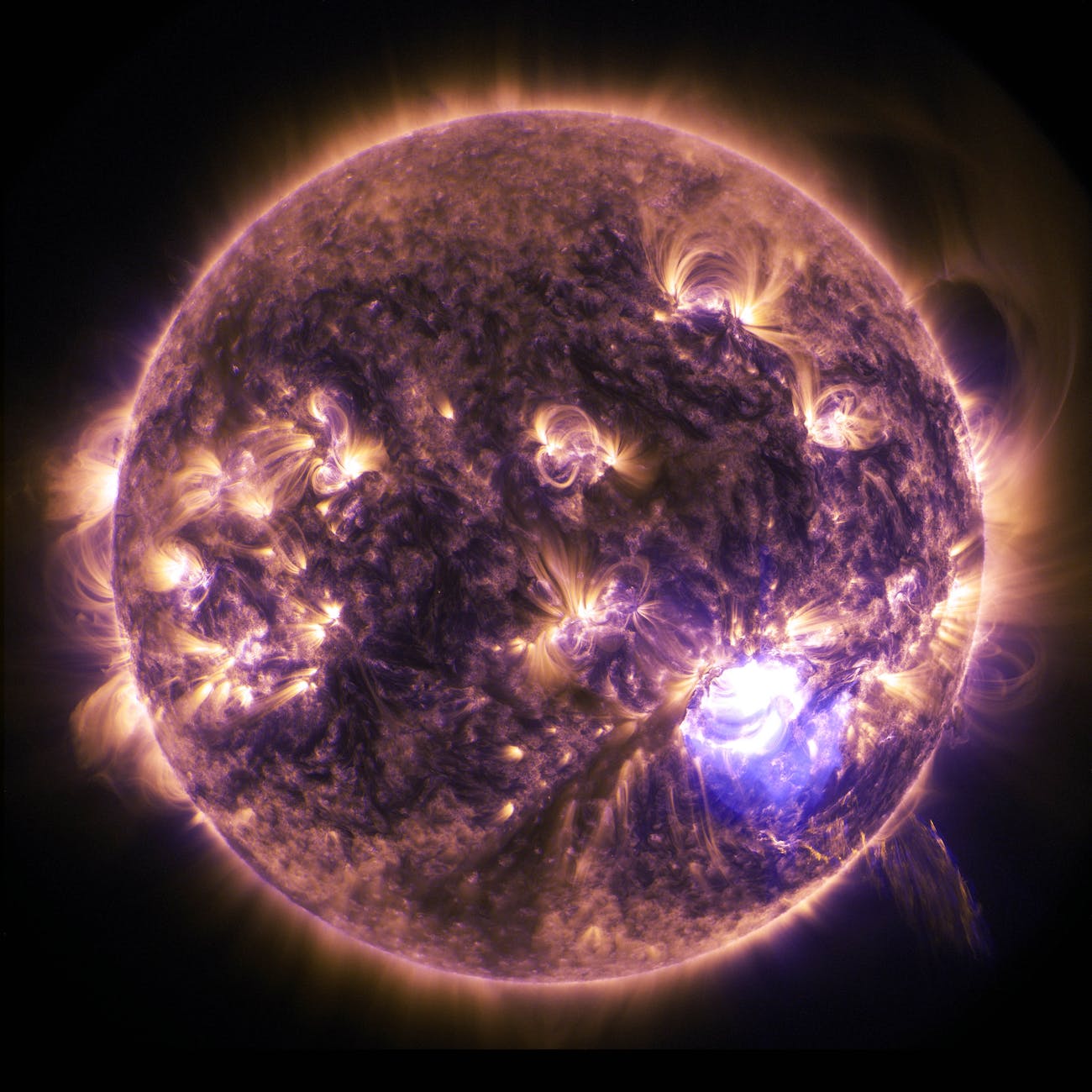
Cosmic radiation comes from space and reaches the Earth from the sun and other stars. Fortunately, our atmosphere acts like a shield, protecting us from most of this radiation.
2. Terrestrial Radiation
The Earth’s crust contains naturally occurring radioactive elements like uranium, thorium, and radon. These elements release radiation that can sometimes accumulate in buildings and homes, especially in areas with certain types of soil.
Manmade Radiation Sources
In addition to natural sources, humans also create sources of radiation through various activities.
1. Medical Procedures
Medical X-rays, CT scans, and radiation therapy are essential tools in diagnosing and treating illnesses. However, it’s crucial to use these techniques wisely to minimize unnecessary exposure.
2. Nuclear Power
Nuclear power plants use radioactive materials to generate electricity. While nuclear power is a low-carbon energy source, there’s always a concern about accidents and radioactive waste management.
Potential Hazards of Radiation
While radiation has many beneficial applications, it also comes with potential hazards that we need to be aware of.
1. Health Risks
Exposure to high levels of ionizing radiation can damage cells and DNA. This damage can lead to mutations and increase the risk of cancer and other health problems.
2. Environmental Impact
Radioactive materials released into the environment can contaminate soil, water, and air, affecting plants, animals, and ecosystems.
Radiation Safety Measures
To protect ourselves from radiation hazards, various safety measures are in place.
1. Dosimetry
Dosimeters are devices that measure the amount of radiation a person is exposed to. They are used in workplaces where radiation is present to ensure that exposure levels stay within safe limits.
2. Shielding
Lead and concrete are often used as shielding materials to block or absorb ionizing radiation. For example, X-ray rooms in hospitals have lead-lined walls to protect both patients and healthcare workers.
3. ALARA Principle
ALARA stands for “As Low As Reasonably Achievable.” This principle emphasizes minimizing radiation exposure as much as possible without compromising the benefits of the radiation source.
4. Monitoring and Regulation
Government agencies like the Nuclear Regulatory Commission (NRC) in the United States monitor and regulate sources of radiation to ensure public safety. They set strict guidelines for the use and disposal of radioactive materials.
Conclusion: Balancing the Benefits and Risks
Radiation is a powerful force that has both beneficial and potentially harmful effects. From medical diagnoses to energy production, radiation plays a vital role in modern life. By understanding the different types of radiation, their sources, and the safety measures in place, we can harness their benefits while minimizing risks.
You May Also Like

 Decoding Biosphere