Water, the elixir of life, flows through rivers, lakes, and oceans. Water, a vital compound, constitutes 70% of Earth, with 97% as saltwater and only 3% as freshwater. Only 0.3% of freshwater is liquid on the Earth’s surface. Essential for life, water exists in solid, liquid, and gas forms. About 60% of our body comprises water, necessary for vital biological processes. Consistent water intake is crucial to prevent dehydration and support bodily functions. Daily, males should consume 2 liters (68oz), and females should intake 1.6 liters (55oz) of water to maintain hydration and health.
The question is where can we find the purest of the pure? Let us find the answer to this question in this article.
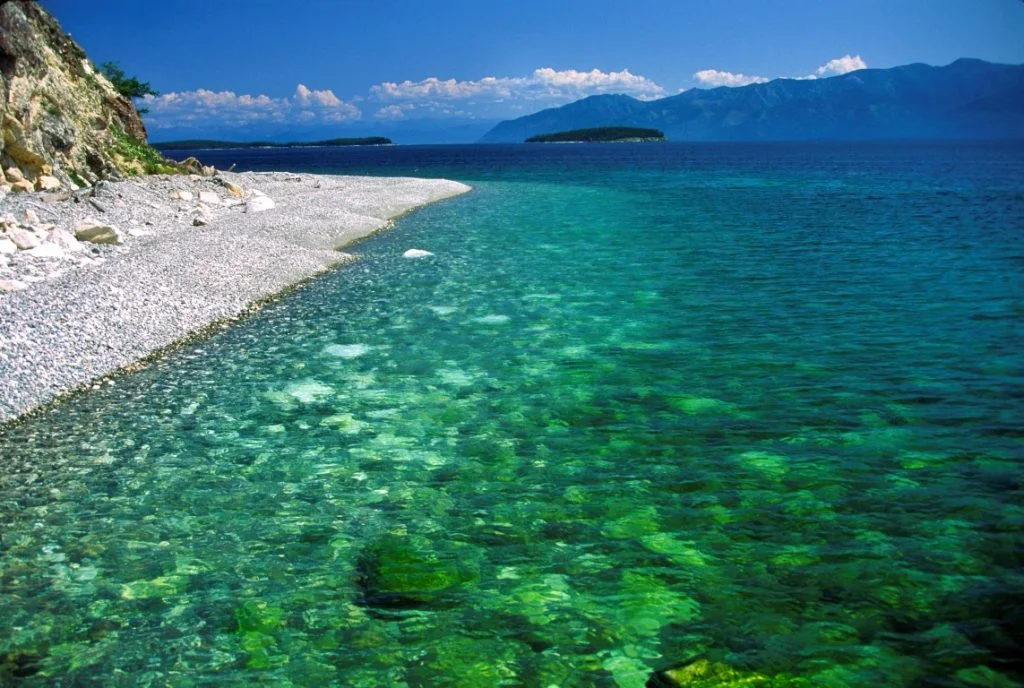
1. Lake Baikal, Russia: A Purity Marvel
Our first stop is the stunning Lake Baikal in Russia. Nestled in Siberia, this ancient lake holds the title of the deepest and oldest freshwater lake globally, with water so pure you could almost see your reflection. Lake Baikal is not just deep, reaching 2,000 feet, but it’s also among the freshest lakes globally, holding a staggering 20% of the world’s fresh water.
2. Lake Vostok, Antarctica: A Subglacial Time Capsule
Hidden beneath a 2-mile ice sheet, Lake Vostok remained a secret until the late 1900s. Located 200 meters below sea level, it’s one of Antarctica’s nearly 400 subglacial lakes. Despite being sealed under ice for 15 million years, the water maintains a temperature of 27°F, defying freezing due to the insulating pressure from the ice above.
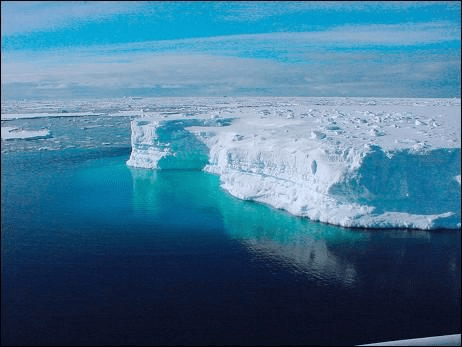
3. Blue Lake, New Zealand: The Clearest Waters in the World
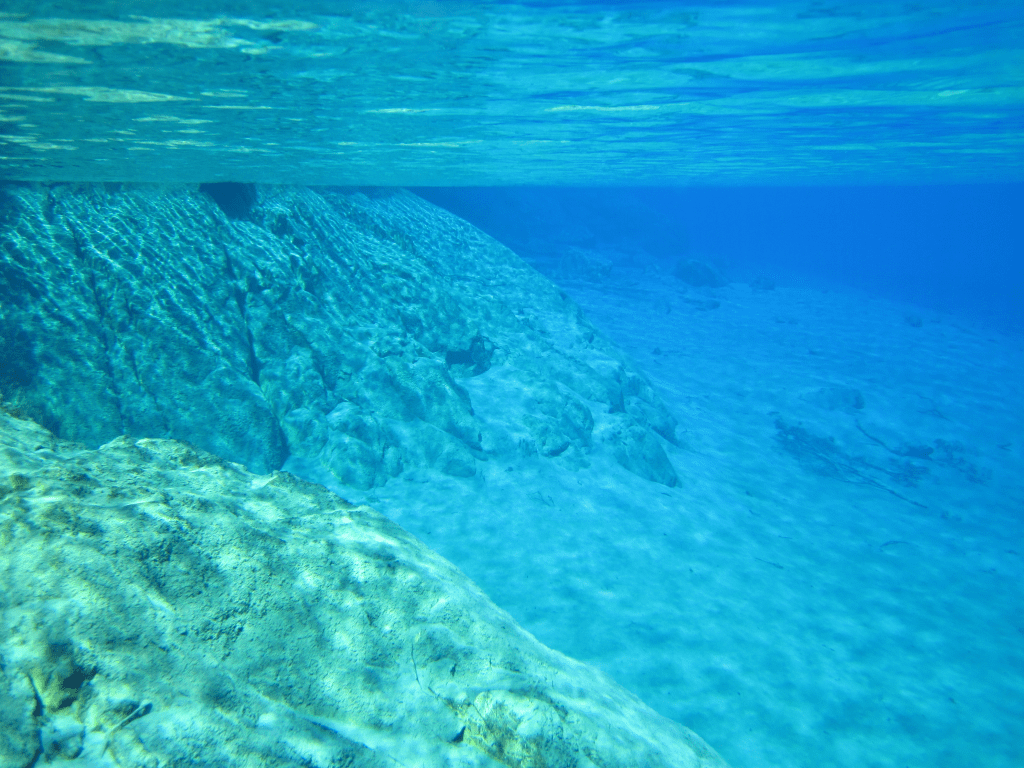
Crowned the “Clearest Lake in the World,” New Zealand’s Blue Lake boasts water that scientists believe comes close to being optically pure. Its bottom remains visible for 80 meters, a testament to its exceptional clarity. Off-limits to onlookers, Blue Lake is considered sacred by local tribes. Fed by Lake Constance, it passes through a natural dam, ensuring almost no contaminants and contributing to its striking blue hue.
4. Crater Lake, Oregon: Nature’s Deep Abyss
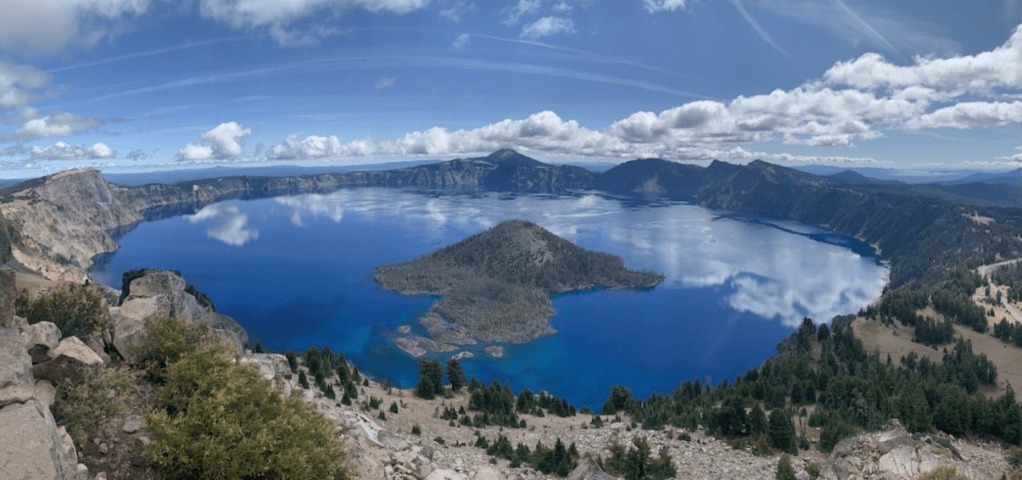
Oregon’s Crater Lake, the deepest in the United States at 1,200 feet, is a result of a volcanic eruption around 10,000 years ago. Formed within a crater, it filled with rain and snow, lacking inlets or outlets. Its unique formation prevents contamination from other water sources. Native communities once viewed Crater Lake as spiritually significant, embarking on vision quests to this captivating natural landmark.
5. Lake Malawi, Africa: Jewel of the Rift Valley
Nestled in the East African Rift Valley, Lake Malawi is a true gem. It is the third-largest lake in Africa and home to a staggering diversity of fish species, making it a UNESCO World Heritage site. Known as the “Lake of Stars,” its clear waters reflect the glittering night sky. Lake Malawi’s remarkable biodiversity and unique geological setting contribute to its significance, drawing scientists and nature enthusiasts alike to explore its depths. The lake’s importance extends beyond its scenic beauty, playing a vital role in sustaining the livelihoods of the surrounding communities.
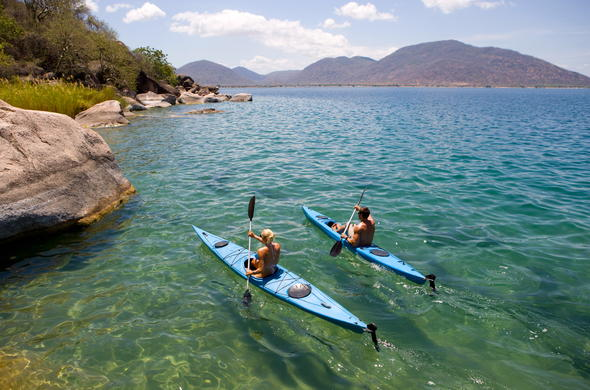
While the world’s purest water may be scattered across these captivating locations, each drop holds a story of nature’s resilience.
You May Also Like
- How Plastic Pollution Is Choking Our Oceans And 12 Real Ways You Can Fix It

- 2025 Outlook: Top Global Trends Shaping the Future of Tech, Lifestyle, Sustainability and Culture

- 10 Eco-Friendly Gift Ideas for People Who Care About the Planet

- Audiobooks vs E-books: Which Is More Eco-Friendly?

- Why Audiobooks Are the Most Sustainable Way to Learn


 Decoding Biosphere