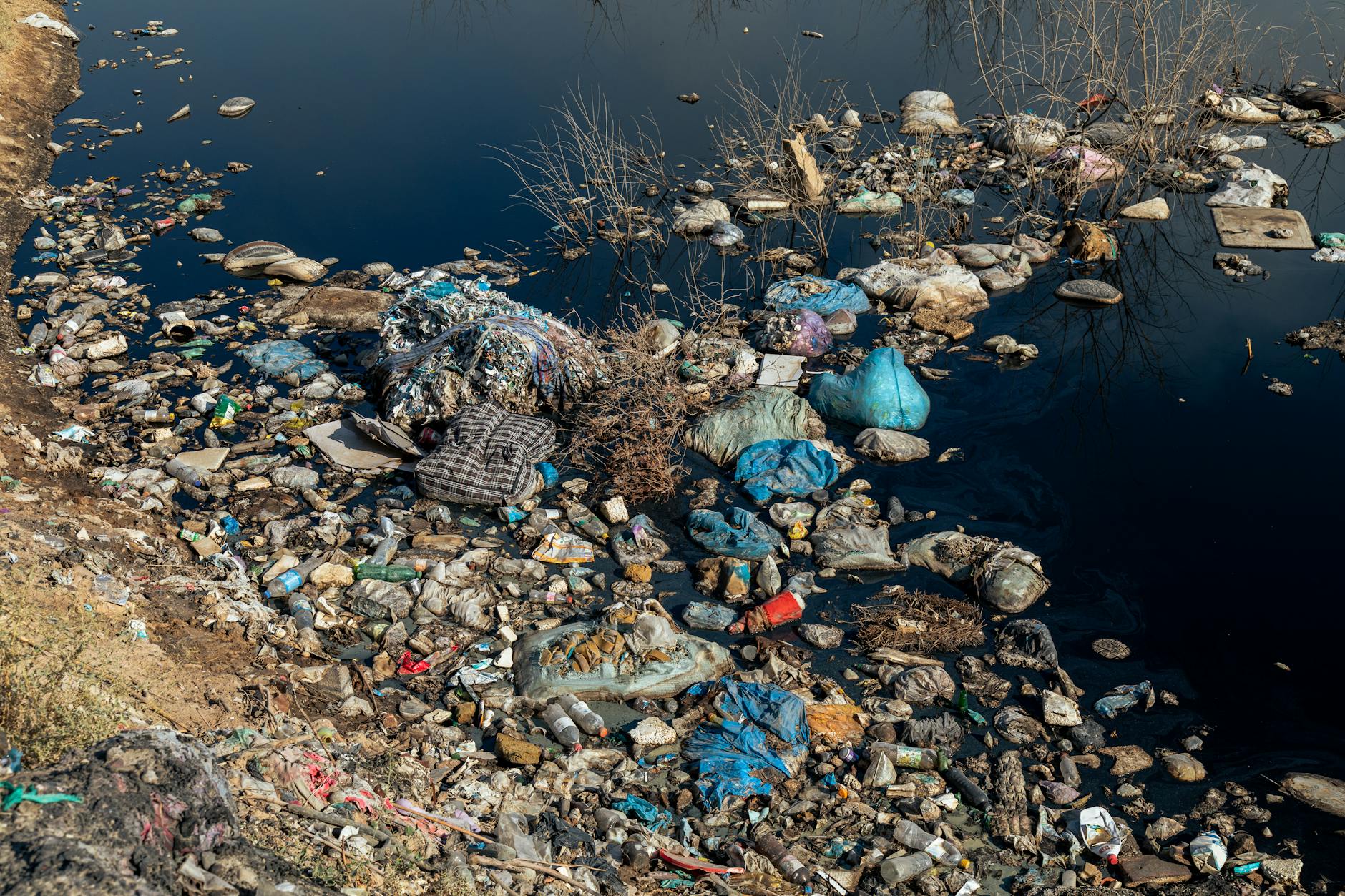

Nutrient pollution is a significant environmental issue that affects water bodies around the world. It occurs when excessive amounts of nutrients, such as nitrogen and phosphorus, enter aquatic ecosystems, leading to harmful algal blooms, oxygen depletion, and ecosystem degradation. In this article, we will explore the causes and effects of nutrient pollution, as well as interesting solutions to mitigate its impact on the environment.
Causes of Nutrient Pollution
- Chemical Fertilizers: The widespread use of synthetic nitrogen fertilizers has surged over the decades. Unfortunately, these fertilizers are often applied in excess, leading to nutrient runoff. Nitrogen vaporizes into the atmosphere as ammonia, while phosphorus binds to soil and erodes from agricultural lands.
- Wastewater Systems and Industrial Sources: Sewers and septic tanks release large quantities of treated waste into waterways without adequately removing nitrogen and phosphorus. Some jurisdictions have taken steps to limit nutrient discharges, but challenges persist.
- Consumer Products: Household cleaners, soaps, and detergents containing high levels of phosphates contribute to nutrient pollution. While some nations have banned phosphate laundry products, others remain on the market.
- Manure: Modern livestock practices have intensified nutrient levels. The release of manure containing nitrogen and phosphorus has increased significantly.
- Atmospheric Deposition: Nitrogen compounds can also enter aquatic ecosystems through atmospheric deposition. Nitrogen oxides released from vehicles, power plants, and other sources can be carried by wind and deposited onto land and water surfaces, contributing to nutrient pollution.
Effects of Nutrient Pollution
The consequences of nutrient pollution can be far-reaching and detrimental to aquatic ecosystems and human health. Some of the key effects include:
- Harmful Algal Blooms: Excessive nutrients, particularly nitrogen and phosphorus, can stimulate the growth of algae in water bodies, leading to harmful algal blooms (HABs). These blooms can deplete oxygen levels in the water, leading to fish kills and other negative impacts on aquatic life.
- Dead Zones: Nutrient pollution can result in the formation of dead zones – areas of water with low or no oxygen. Dead zones can occur when algal blooms die off and decompose, consuming oxygen in the process and creating inhospitable conditions for marine life.
- Eutrophication: Nutrient pollution can contribute to eutrophication, a process whereby excessive nutrients cause an overgrowth of algae and aquatic plants. As these organisms die and decompose, they consume oxygen, leading to hypoxia and the deterioration of water quality.
- Fish Kills: In severe cases, nutrient pollution can result in fish kills, where large numbers of fish die due to oxygen depletion or exposure to toxins produced by harmful algal blooms.
- Human Health Risks: Harmful algal blooms can produce toxins that pose risks to human health. These toxins can contaminate drinking water supplies, recreational waters, and seafood, leading to illness or even death in severe cases.
Solutions to Nutrient Pollution
Addressing nutrient pollution requires a multi-faceted approach involving government regulation, technological innovation, and community engagement. Some interesting solutions include:
- Fertilize Responsibly: Farmers should apply the appropriate amount of fertilizer, avoiding excess. Proper management reduces nutrient runoff.
- Don’t Blow Leaves and Grass Into Streets: Yard waste contains nutrients that can end up in water bodies. Composting or proper disposal helps prevent pollution.
- Plant More Trees: Trees absorb excess nutrients and enhance water quality.
- Drive Less: Vehicle emissions contribute to air and water pollution. Opt for eco-friendly transportation.
- Pick Up Pet Waste: Pet waste contains nutrients. Proper disposal prevents contamination.
- Use Buffer Strips: Plant vegetation along water bodies to filter runoff.
- Manage Livestock: Implement sustainable practices to reduce nutrient release from manure.
- Thoroughly Inspect Septic Systems: Regular maintenance ensures proper nutrient removal.
In conclusion, nutrient pollution is a complex environmental issue with widespread impacts on aquatic ecosystems and human health. By addressing the root causes of nutrient pollution and implementing innovative solutions, we can protect and preserve our water resources
Sources:
- https://www.epa.gov/nutrientpollution/basic-information-nutrient-pollution
- https://link.springer.com/referenceworkentry/10.1007/978-3-031-01949-4_60
- https://www.epa.gov/nutrientpollution/problem
MCQs on Nutrient Pollution
- What is a primary source of nutrient pollution in aquatic ecosystems?
- a) Atmospheric deposition
- b) Industrial discharges
- c) Agricultural runoff
- d) Urban stormwater runoff
- Which of the following is NOT a consequence of nutrient pollution?
- a) Harmful algal blooms
- b) Dead zones
- c) Acid rain
- d) Fish kills
- What process can excessive nutrients in water bodies contribute to?
- a) Eutrophication
- b) Desalination
- c) Filtration
- d) Distillation
- What is a potential human health risk associated with harmful algal blooms caused by nutrient pollution?
- a) Respiratory problems
- b) Skin irritation
- c) Gastrointestinal illness
- d) All of the above
- Which of the following is an effective solution to nutrient pollution?
- a) Implementing best management practices (BMPs) for agriculture
- b) Increasing industrial discharges
- c) Reducing public education and outreach
- d) Ignoring regulatory measures
- What role does green infrastructure play in mitigating nutrient pollution?
- a) It increases nutrient pollution
- b) It captures and filters stormwater runoff
- c) It promotes industrial discharges
- d) It decreases public awareness
- What can nutrient trading programs incentivize?
- a) Increased nutrient pollution
- b) Economic incentives for reducing nutrient pollution
- c) Weakening regulatory measures
- d) Decreasing public awareness
Here are the answers to the multiple-choice questions:
- c) Agricultural runoff
- c) Acid rain
- a) Eutrophication
- d) All of the above
- a) Implementing best management practices (BMPs) for agriculture
- b) It captures and filters stormwater runoff
- b) Economic incentives for reducing nutrient pollution

 Decoding Biosphere